
In an increasingly fast-paced world, understanding the intricate dance of hormones within our bodies is becoming paramount for optimizing overall health and well-being. This article delves into the profound impact of hormone-aware living on several crucial aspects, including:
- Sleep quality
- Stress management
- Sustained energy levels
The Rise of Hormone-Aware Wellness
A growing awareness of the body’s internal workings is ushering in a new era of wellness, where understanding our hormones is key to unlocking better health and vitality.

Why Hormone Health Is Becoming a Major Wellness Focus
Hormone health is rapidly gaining traction as a primary focus in wellness because people are realizing that these chemical messengers profoundly influence nearly every bodily function, from metabolism and mood to sleep and energy. A hormonal imbalance can manifest in various ways, leading to numerous health conditions and significantly impacting overall health and quality of life.
The Shift From Hustle Culture to Body-Aware Living
The contemporary wellness landscape is witnessing a significant shift from the unsustainable demands of “hustle culture” towards a more body-aware approach, recognizing that sustainable energy and optimal function stem from listening to and supporting our inherent biological rhythms and hormonal balance. This paradigm shift encourages individuals to prioritize self-care and understand their unique hormonal cycle.
How Hormones Influence Daily Energy and Mood
Hormones in the human body are chemical messengers that intricately regulate our daily energy and mood. Fluctuations in hormone levels, such as those of cortisol, estrogen, and thyroid hormones, can lead to noticeable mood changes, fatigue, and even mood disorders, making hormone balance crucial for consistent vitality and emotional well-being throughout every life stage.
What Hormone-Aware Living Actually Means
Hormone-aware living means understanding and actively supporting your body’s natural hormonal processes through informed lifestyle choices, rather than passively reacting to symptoms.

Understanding the Body’s Natural Rhythms
Understanding the body’s natural rhythms, including circadian and infradian rhythms, is foundational to hormone-aware living, as these internal clocks significantly influence the production and regulation of essential hormones. Recognizing these inherent hormonal cycles allows individuals to tailor their daily activities and lifestyle habits to work in harmony with their physiology, promoting better hormonal balance and overall wellness.
The Connection Between Hormones and Lifestyle Habits
The connection between hormones and lifestyle habits is profound, as choices regarding diet, exercise, sleep, and stress management directly impact hormone production, metabolism, and regulation. Developing healthy lifestyle habits is therefore a powerful way to balance your hormones naturally, mitigating the risks of hormonal imbalance and supporting long-term hormonal health.
Why Personalized Wellness Is Replacing One-Size-Fits-All Health Advice
Personalized wellness is replacing one-size-fits-all health advice because individual hormone levels and physiological responses vary significantly due to genetics, environment, and life stage. Recognizing these unique hormonal shifts allows for tailored strategies that are more effective in achieving hormone balance, addressing specific concerns like perimenopause and menopause, and optimizing individual health outcomes.
How Hormones Affect Sleep Quality
Hormones are crucial in dictating our sleep patterns and quality, with specific chemical messengers playing pivotal roles in promoting rest or wakefulness.
The Role of Melatonin and Circadian Rhythms
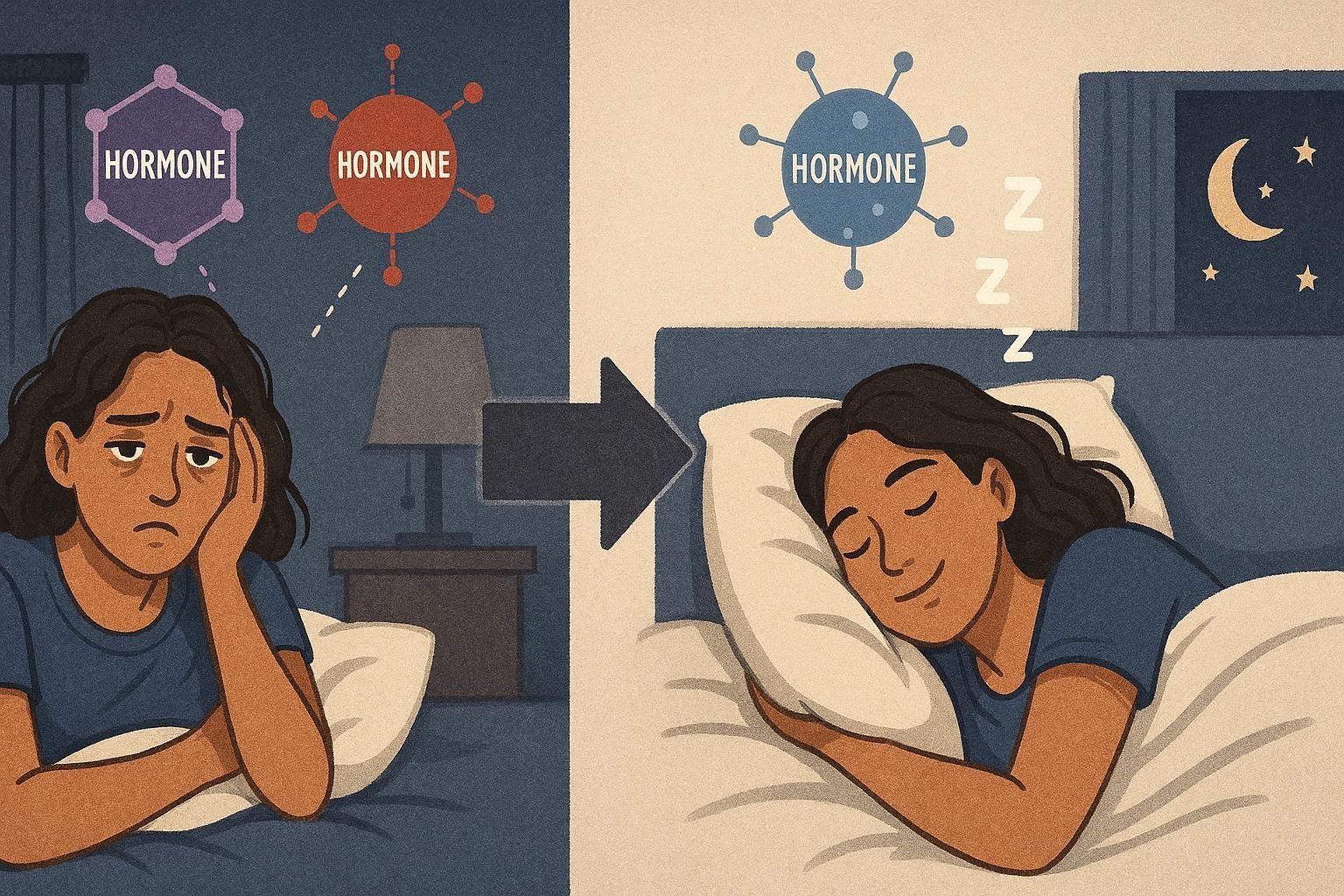
Melatonin, often dubbed the “sleep hormone,” plays a critical role in regulating our circadian rhythms, which are the body’s natural 24-hour internal clocks that dictate our sleep-wake cycle. Optimal melatonin production, influenced by light exposure and consistent routines, is essential for maintaining sleep quality and ensuring healthy hormonal balance.
How Stress Hormones Disrupt Deep Sleep
Stress hormones, particularly cortisol, can significantly disrupt deep sleep by keeping the body in a state of alertness, making it difficult to fall asleep and stay asleep. Elevated cortisol levels, often a result of chronic stress or hormonal imbalance, interfere with the restorative stages of sleep, ultimately impacting overall health and exacerbating other hormonal fluctuations.
Sleep Habits That Support Hormonal Balance
Implementing consistent sleep habits is paramount for supporting hormonal balance, as adequate and restorative sleep allows the body to regulate hormone production and metabolism effectively. Establishing natural ways to balance your hormones and improve sleep quality, which in turn benefits all aspects of hormonal health, includes:
- Establishing a regular sleep schedule
- Creating a conducive sleep environment
- Winding down before bed
Stress, Cortisol & Nervous System Regulation
Understanding the intricate relationship between stress, the hormone cortisol, and nervous system regulation is vital for maintaining hormonal health and overall well-being.
What Cortisol Does to the Body and Mind
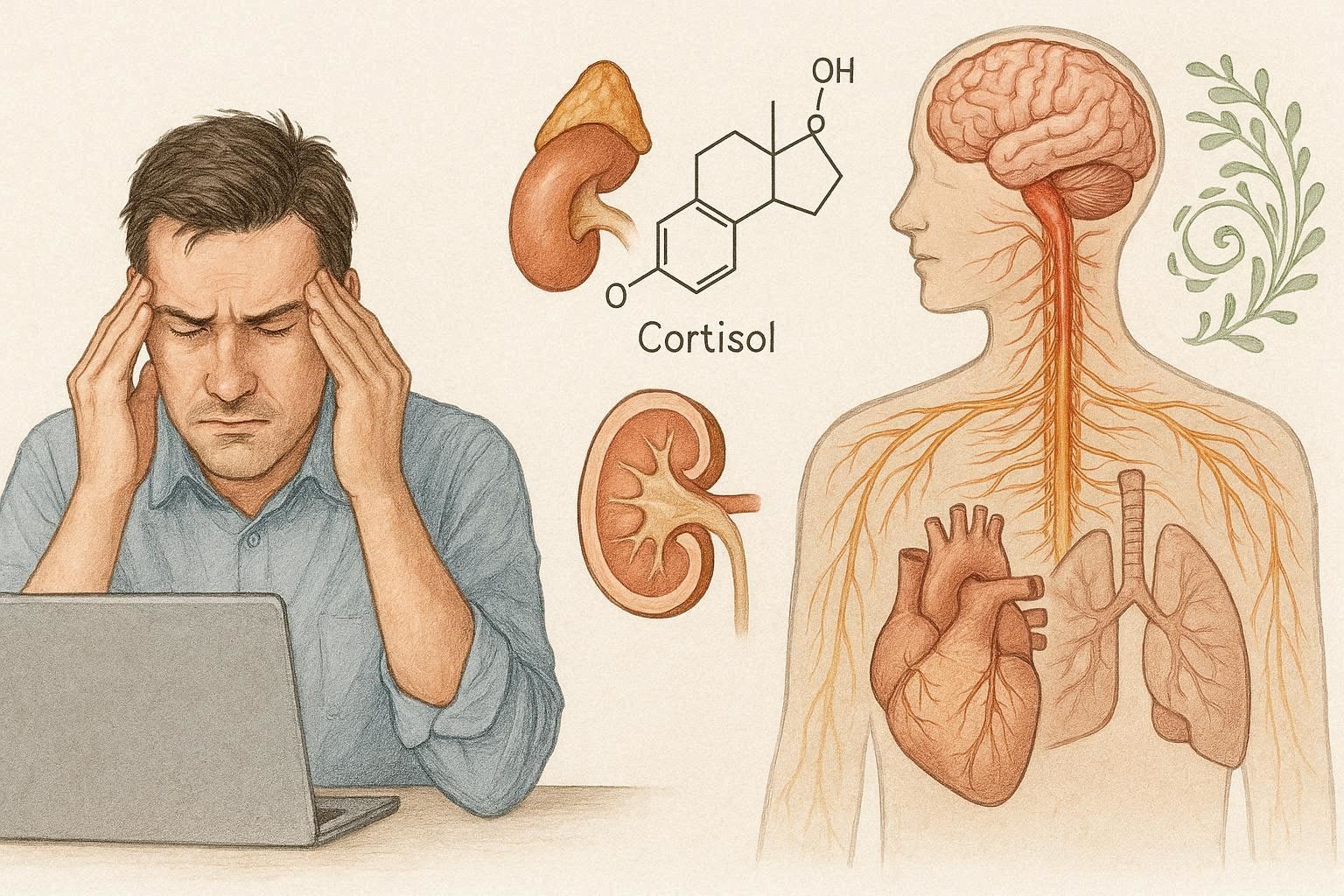
Cortisol, often known as the primary stress hormone, plays a critical role in the body’s ‘fight or flight’ response, influencing metabolism, inflammation, and blood sugar levels. While essential for acute stress management, chronically elevated cortisol levels can lead to a significant hormonal imbalance, negatively impacting sleep quality, mood, and overall health, demonstrating its profound effect on both the body and mind.
Signs of Chronic Stress and Hormonal Imbalance
Recognizing the signs of chronic stress and hormonal imbalance is crucial for intervention and maintaining overall health. These indicators suggest that the body’s delicate hormonal balance, including cortisol levels, has been compromised, necessitating a focus on ways to balance your hormones for improved well-being. Symptoms often include:
- Persistent fatigue
- Mood swings
- Weight changes
- Disrupted sleep
Breathwork, Relaxation, and Recovery Trends
Emerging trends in wellness increasingly emphasize breathwork, relaxation techniques, and dedicated recovery practices as powerful tools for nervous system regulation and supporting hormonal balance. These practices help to mitigate the impact of the stress hormone cortisol, fostering a state of calm that is essential for hormone health and preventing hormonal imbalance caused by chronic stress, ultimately enhancing sleep quality and mood changes.
Energy Levels and Hormone Balance
Why Energy Naturally Changes Throughout the Day
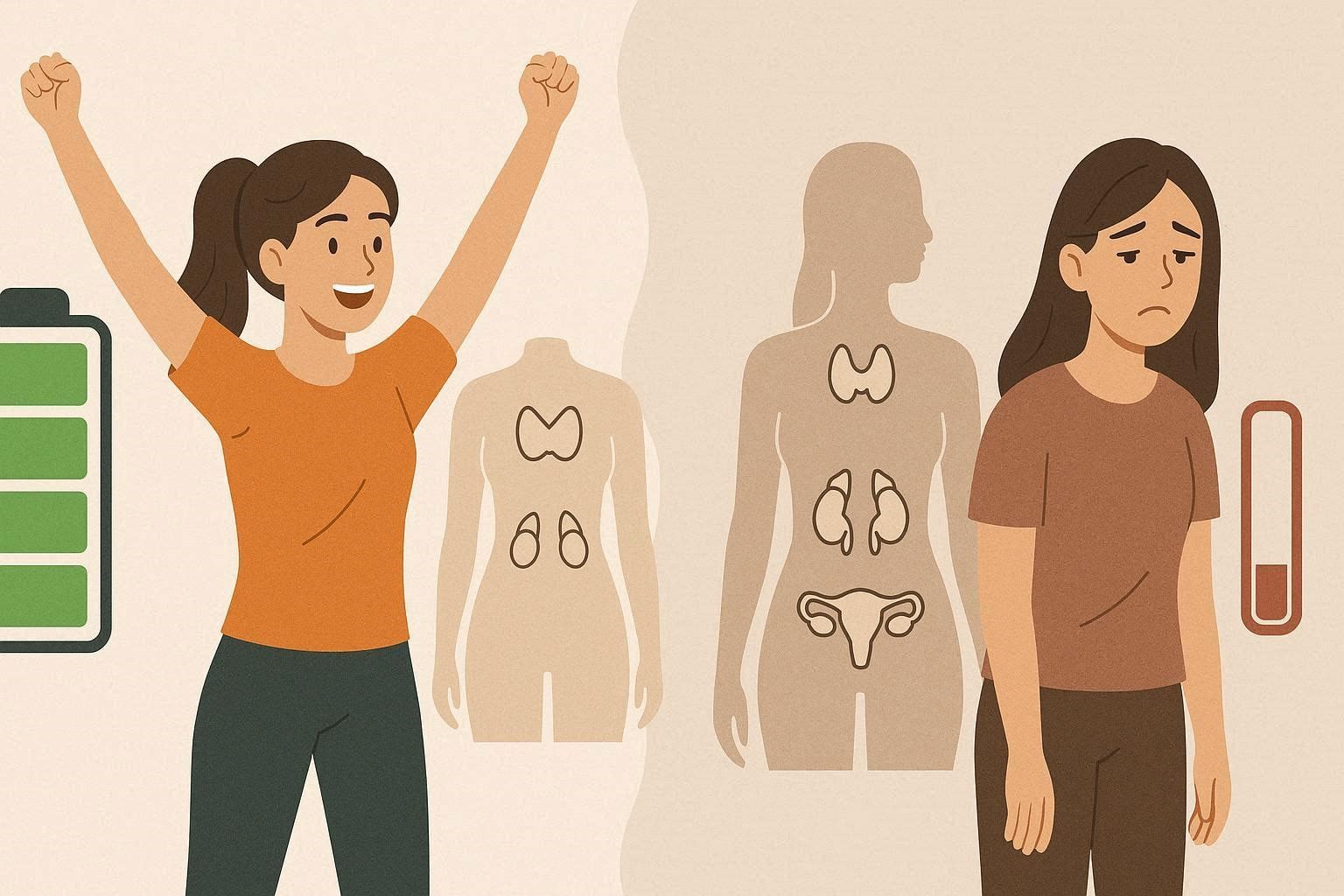
Energy levels naturally fluctuate throughout the day due to our body’s inherent hormonal cycles and the ebb and flow of various hormones in the human body. Understanding these natural hormonal shifts, such as the morning surge of cortisol and the afternoon dip, is crucial for hormone-aware living. This awareness helps individuals to better manage their energy and optimize daily activities, rather than battling against their intrinsic rhythms.
Blood Sugar, Nutrition, and Stable Energy
The intricate relationship between blood sugar, nutrition, and stable energy is a cornerstone of hormonal health, with insulin being a key hormone in this equation. Consuming a balanced diet that supports stable blood sugar levels helps to prevent sharp hormonal fluctuations and energy crashes. Proper nutrition is a natural way to balance your hormones, ensuring consistent energy and overall health.
The Link Between Burnout and Hormonal Stress
Burnout is deeply linked to chronic hormonal stress, primarily involving sustained high cortisol levels, which can lead to significant hormonal imbalance. Prolonged periods of stress exhaust the adrenal glands, impacting not only cortisol but also other essential hormones. Recognizing this connection is vital for preventing hormonal imbalance and promoting long-term hormonal health and consistent energy.
Hormone-Aware Nutrition Trends

Protein, Healthy Fats, and Blood Sugar Support
Hormone-aware nutrition emphasizes adequate protein and healthy fats to support blood sugar stability, which is fundamental for maintaining balanced hormones. These macronutrients help to regulate insulin and prevent rapid hormonal fluctuations, which can impact energy, mood, and sleep quality. Prioritizing these foods is an effective strategy for promoting overall hormonal health and well-being.
Nutrient Timing and Balanced Eating Habits
Nutrient timing and establishing balanced eating habits are increasingly recognized as essential for optimizing hormone levels and supporting the body’s natural hormonal cycle. Strategic meal planning helps to regulate insulin and cortisol levels throughout the day, preventing drastic hormonal shifts. This approach supports consistent energy, improved sleep quality, and overall hormonal health.
Reducing Ultra-Processed Foods and Energy Crashes
Reducing the intake of ultra-processed foods is a key trend in hormone-aware nutrition, as these foods often lead to significant blood sugar spikes and subsequent energy crashes. Such fluctuations can disrupt delicate hormone levels, contributing to hormonal imbalance and mood swings. Choosing whole, nutrient-dense foods is a natural way to balance your hormones and maintain stable energy.
Exercise Trends in Hormone-Conscious Living

Why Recovery Is Becoming More Important
In hormone-conscious living, recovery is gaining paramount importance because over-exercising can elevate cortisol levels, leading to hormonal imbalance and increased stress hormone production. Adequate recovery allows the body to repair, restore energy, and regulate hormones effectively. Prioritizing rest helps to maintain hormonal balance, crucial for overall health and preventing burnout.
Walking, Strength Training, and Low-Stress Fitness
Current exercise trends in hormone-aware living highlight walking, moderate strength training, and other low-stress fitness activities as optimal for supporting hormonal health without causing undue stress. These approaches help to build muscle mass, improve insulin sensitivity, and promote balanced hormones without triggering excessive cortisol levels, which can disrupt sleep quality and mood changes.
The Risks of Overtraining and Burnout
The risks of overtraining extend beyond physical exhaustion, often leading to hormonal imbalance, particularly elevated cortisol levels, and an increased susceptibility to burnout. Excessive exercise can disrupt the delicate balance of sex hormones and thyroid hormones, impacting menstrual cycle regularity in women’s health and contributing to mood swings. Sustainable exercise is key for hormonal health.
The Role of Technology in Hormone Awareness
Wearables and Sleep Tracking Devices
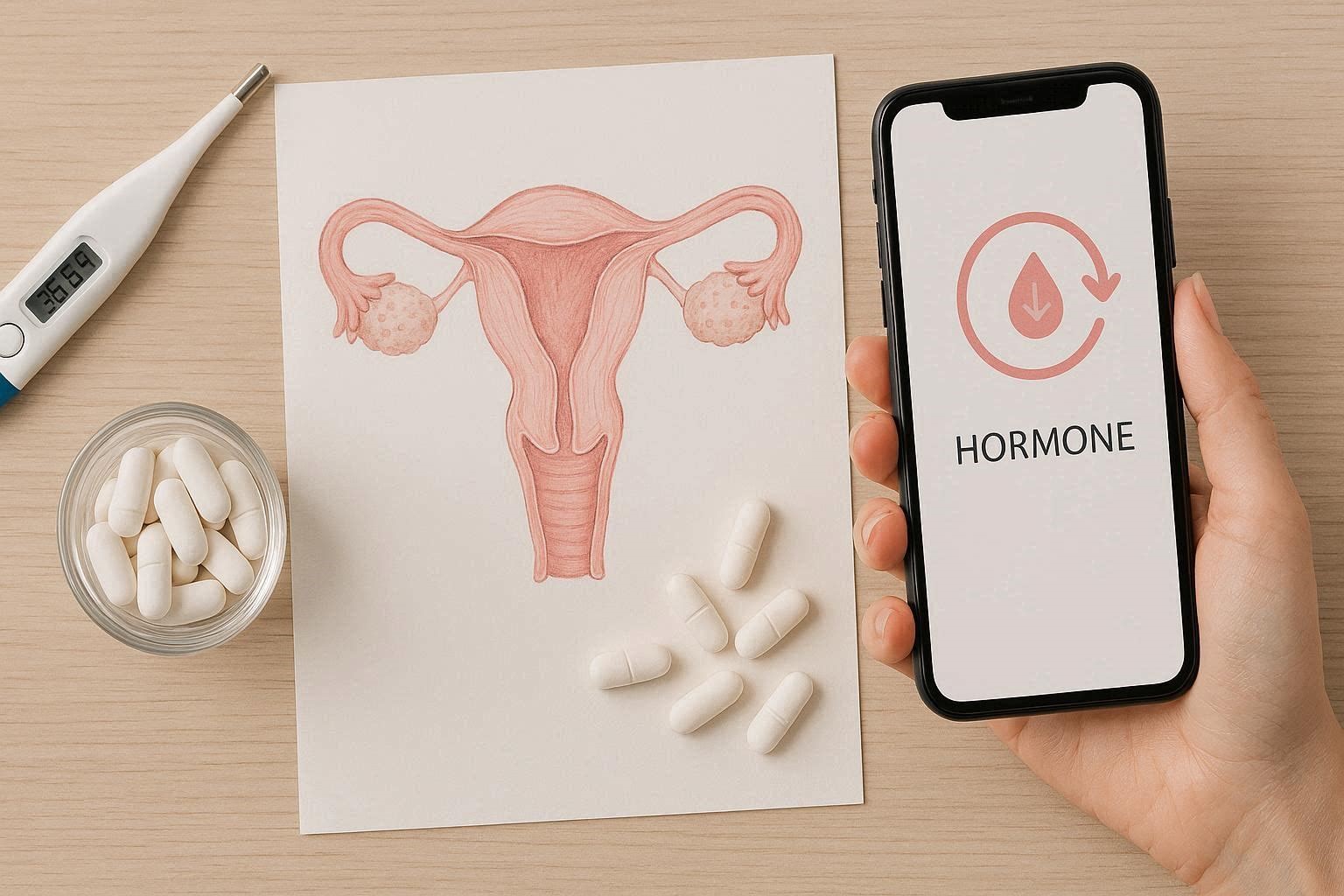
Wearables and sleep tracking devices play a crucial role in promoting hormone awareness by providing valuable insights into sleep quality, heart rate variability, and activity levels. These tools help individuals understand how their lifestyle choices impact their hormonal cycle and overall hormonal health. This data empowers users to make informed adjustments to support balanced hormones and improve sleep quality.
Stress Monitoring and Recovery Metrics
Technology now offers sophisticated stress monitoring and recovery metrics, allowing individuals to track physiological responses that indicate hormonal imbalance, such as elevated cortisol levels. By providing real-time data on stress hormone fluctuations, these tools facilitate proactive adjustments in daily habits, helping to regulate hormones and support the body’s natural healing processes for better hormonal health.
How Health Apps Are Personalizing Wellness
Health apps are revolutionizing wellness by personalizing strategies for managing hormonal changes and promoting hormonal balance. These applications often integrate data from wearables to offer tailored advice on nutrition, exercise, and stress management, empowering users to understand their unique hormonal cycle and make informed choices for optimal hormone levels and overall health, particularly during perimenopause and menopause.
Women’s Health and the Hormone-Aware Movement

Menstrual Cycle Awareness and Energy Tracking
Menstrual cycle awareness and energy tracking are becoming fundamental aspects of the hormone-aware movement, particularly within women’s health. Understanding the hormonal shifts of the menstrual cycle, including the fluctuations of estrogen and progesterone, allows women to align their energy levels and activities with their natural hormonal rhythm.
This awareness empowers them to proactively manage potential mood swings and optimize their overall health by working with their body’s inherent hormonal cycle.
Perimenopause and Menopause Wellness Conversations
Conversations around perimenopause and menopause wellness are increasingly prominent, acknowledging these significant hormonal transitions as natural stages of life for women.
The hormone-aware movement emphasizes understanding and supporting women through the hormonal changes that occur, including decreasing levels of estrogen, which can lead to various menopause symptoms. This focus promotes strategies for maintaining hormonal balance and overall health during perimenopause and menopause, fostering greater awareness and support.
Why Hormone Education Is Becoming More Mainstream
Hormone education is rapidly becoming more mainstream because understanding how hormones in the human body regulate countless functions is crucial for overall health, especially concerning women’s health.
As people recognize that hormones are chemical messengers dictating everything from sleep quality to mood changes, there’s a growing demand for knowledge about hormonal imbalance and natural ways to balance hormones. This widespread education empowers individuals to advocate for their hormonal health and address issues across every life stage.
Common Mistakes in Hormone Wellness Trends
Following Social Media “Hormone Hacks” Without Evidence
A common pitfall in hormone wellness trends is blindly following social media “hormone hacks” without credible scientific evidence, which can lead to unintended hormonal imbalance or even exacerbate existing health conditions. These unverified tips often oversimplify complex hormonal processes, potentially causing more harm than good by disrupting delicate hormone levels and undermining genuine efforts toward hormonal health and overall well-being. It is important to approach such claims with skepticism.
Ignoring Professional Medical Advice
Ignoring professional medical advice is a significant mistake in hormone wellness trends, as self-diagnosing or self-treating hormonal imbalance can have serious health consequences. Qualified healthcare professionals provide personalized guidance based on individual hormone levels, medical history, and specific health conditions. Disregarding expert recommendations can delay appropriate treatment for hormonal changes, such as those during perimenopause or menopause, and compromise long-term hormonal health and overall well-being.
Overcomplicating Wellness and Recovery Routines
Overcomplicating wellness and recovery routines can inadvertently create more stress, counteracting efforts to achieve hormonal balance. While being hormone-aware is beneficial, excessively intricate protocols for managing stress hormone levels, sleep quality, or nutrition can become overwhelming and unsustainable. The goal should be to implement simple, consistent practices that naturally support hormonal health and well-being without adding unnecessary mental burden or contributing to mood changes and fatigue.
Simple Ways to Start Hormone-Aware Living
Morning and Evening Routine Adjustments
Simple morning and evening routine adjustments are powerful natural ways to balance your hormones and embrace hormone-aware living, significantly impacting sleep quality and energy levels. Establishing a consistent wake-up time, incorporating sunlight exposure, and winding down with relaxing activities can help regulate cortisol levels and melatonin production. These consistent practices support the body’s natural hormonal cycle, promoting balanced hormones and overall health throughout every life stage.
Managing Stress Through Daily Habits
Effectively managing stress through daily habits is fundamental for maintaining optimal hormonal health, as chronic stress can significantly elevate cortisol levels and lead to hormonal imbalance. Incorporating practices such as mindfulness, deep breathing exercises, or short periods of relaxation throughout the day can help regulate the stress hormone. These consistent efforts are crucial for sustaining hormone balance, improving sleep quality, and mitigating mood changes.
Building Sustainable Sleep and Energy Practices
Building sustainable sleep and energy practices is a cornerstone of hormone-aware living, ensuring consistent hormonal health and vitality. Prioritizing consistent bedtimes and wake-up times, creating a conducive sleep environment, and nourishing the body with balanced meals helps regulate hormones naturally. These habits support optimal sleep quality, stabilize energy levels, and prevent hormonal fluctuations, contributing significantly to overall health and well-being across every life stage.
Conclusion: The Future of Hormone-Aware Wellness
The future of hormone-aware wellness is characterized by a deeper understanding of how hormones in the human body influence every aspect of health, from sleep quality to mood disorders. As individuals become more attuned to their hormonal changes and the intricate dance of chemical messengers, personalized strategies for maintaining hormonal balance will become the norm. This evolving landscape promises enhanced well-being, empowering everyone to navigate their hormonal cycle with greater knowledge and resilience.