In our modern, fast-paced lives, the concept of doing things purely for enjoyment often feels like a distant memory. This article explores how to reclaim that essential part of our well-being.
Why Fun Feels Harder in Modern Life
In a world that constantly champions efficiency and output, many individuals find it increasingly difficult to genuinely experience joy and simple pleasures without associating them with a tangible outcome or improvement to their personal brand. This pervasive shift impacts our mental health.
The Rise of Productivity Culture and Constant Optimization
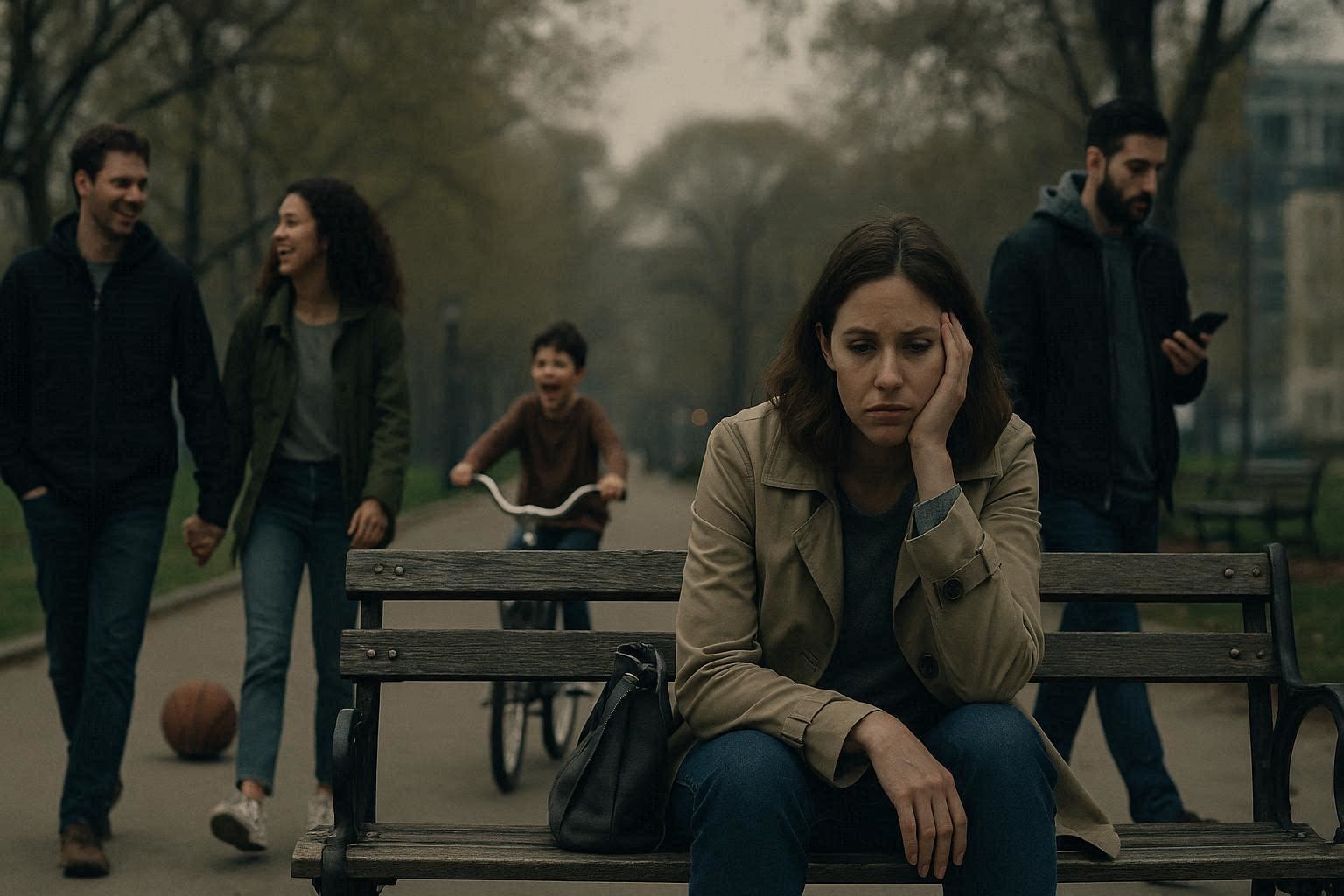
The relentless pursuit of productivity and constant optimization has permeated every aspect of our lives, transforming even leisure activities into opportunities for self-improvement or personal gain, which subtly diminishes the inherent joy and happiness we once found in simple pursuits. This cultural shift often leads to stress.
How Hustle Culture Changed the Way We Enjoy Life
Hustle culture has fundamentally reshaped our approach to enjoyment, convincing us that every moment must be maximized for growth, development, or financial advantage, making it difficult to engage in an activity without feeling the pressure to turn it into something more productive. This impacts our overall well-being.
Why More People Are Searching for Joy and Balance Again
As the downsides of this relentless pace become clearer, more people are actively searching for true joy and a sense of balance, recognizing that a life devoid of pure, unadulterated fun leads to burnout and a significant decrease in overall happiness and psychological satisfaction. They seek to boost their mental health.
What Happened to Doing Things Purely for Enjoyment?
The erosion of activities pursued purely for enjoyment is a troubling trend, as hobbies once cherished for their intrinsic value are now frequently viewed through a lens of utility, often losing their capacity to provide genuine satisfaction. This shift impacts our mental health.
Turning Hobbies Into Side Hustles and Content
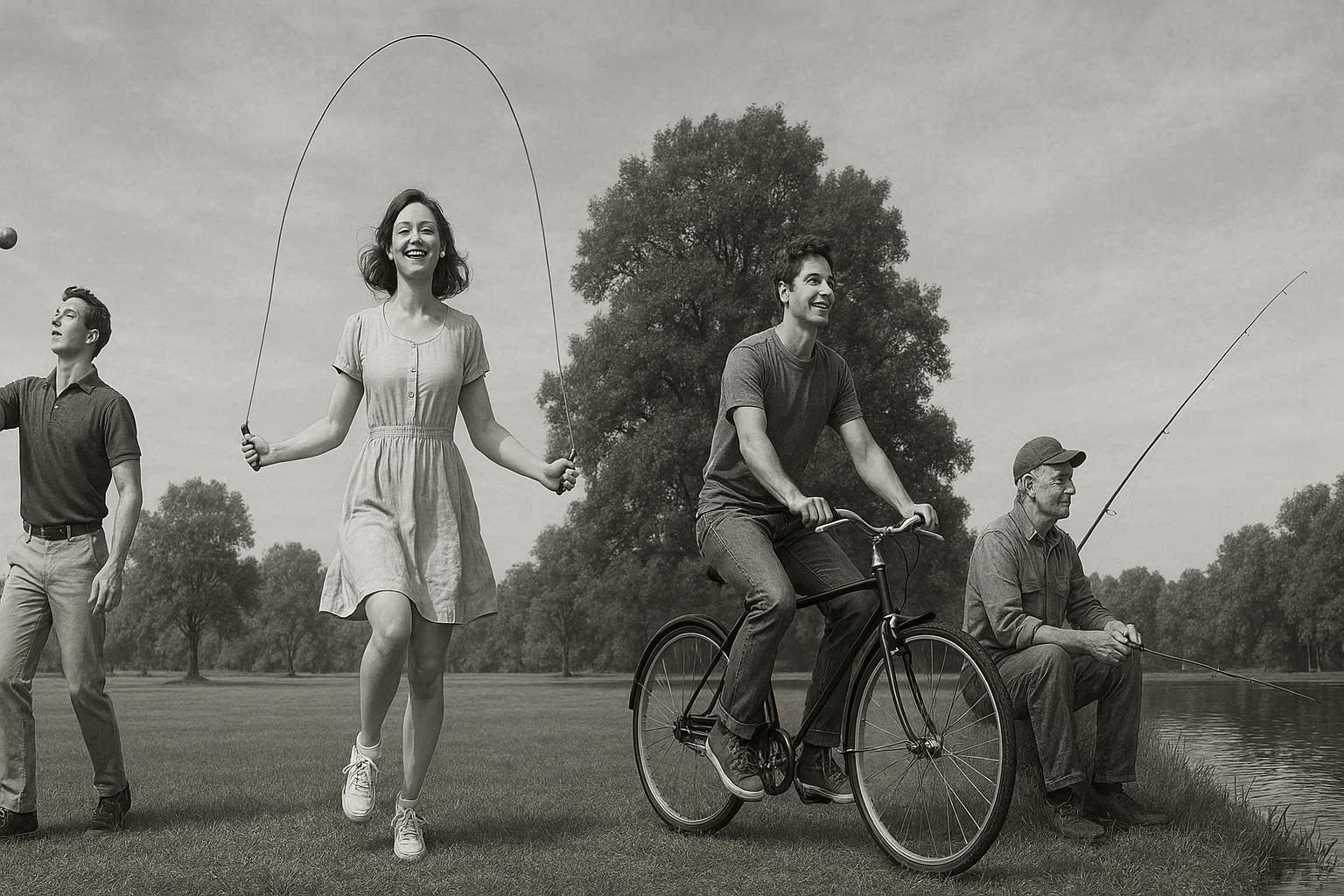
Many individuals, influenced by the prevailing digital landscape, now transform their cherished hobbies into side hustles or content creation opportunities, inadvertently stripping away the spontaneous joy and personal satisfaction that come from simply engaging in an activity without the pressure of an audience or income. This often leads to increased stress.
The Pressure to Always Be Productive
There’s an ever-present societal pressure to always be productive, which makes engaging in non-utilitarian activities feel like a waste of time, leading people to either abandon their hobbies or constantly try to extract a measurable benefit from them. This mindset can significantly impact our mental health and overall well-being.
Why “Useful” Activities Became More Valued Than Fun
In a world obsessed with metrics and achievements, “useful” activities that contribute to career advancement, skill development, or financial gain have become disproportionately more valued than simple fun, leading many to neglect pursuits that offer pure enjoyment for the sake of perceived efficiency. This can diminish our sense of joy.
The Psychological Benefits of Doing Things Just for Fun
Engaging in activities purely for enjoyment offers a wealth of psychological benefits, from reducing stress to fostering creativity, proving that fun is not merely frivolous but an essential component of a healthy and balanced life. This is crucial for overall well-being.
How Fun Reduces Stress and Mental Fatigue
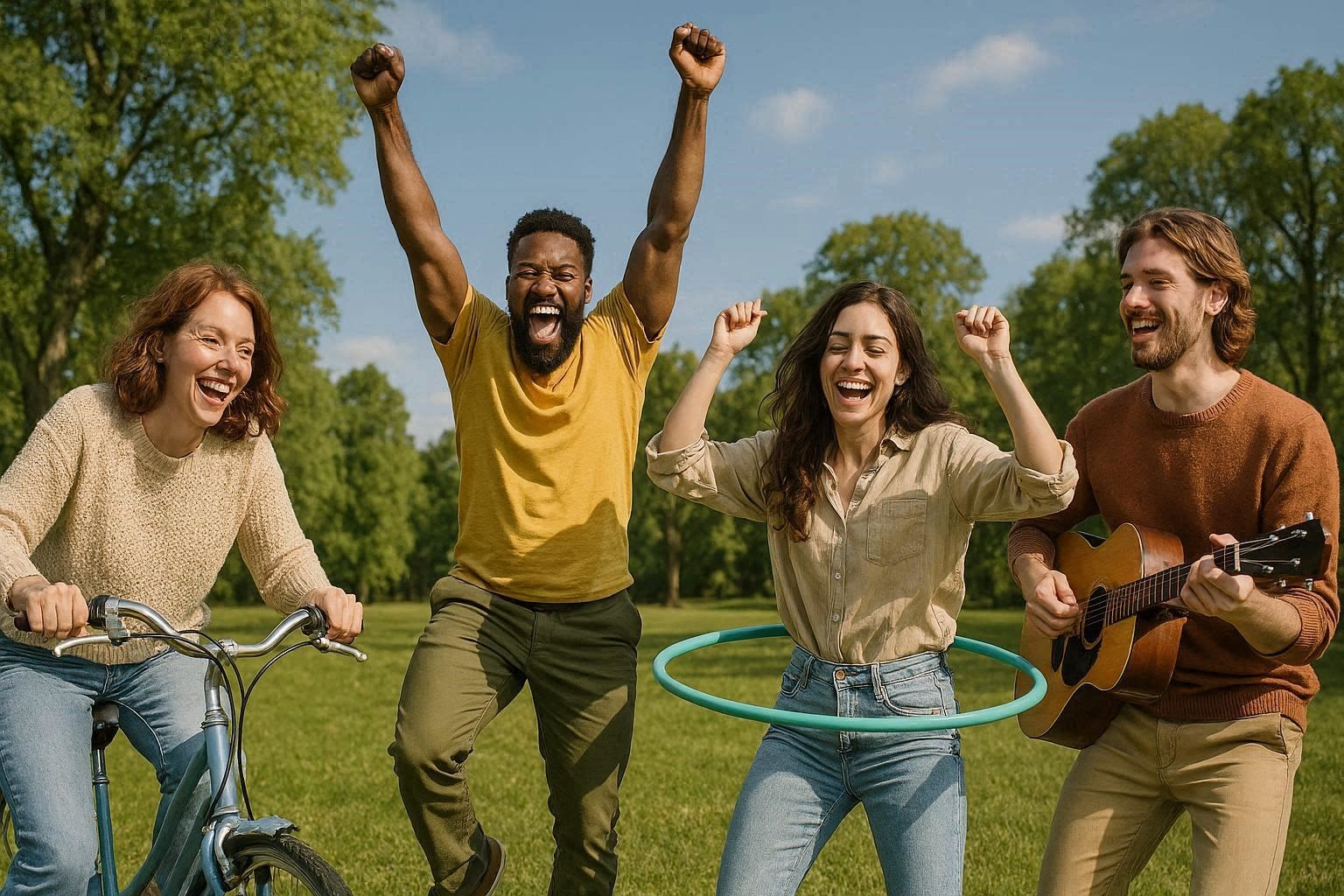
Participating in genuinely enjoyable activities provides a crucial escape from daily pressures, significantly reducing stress and alleviating mental fatigue by allowing the mind to wander and rejuvenate without the burden of deadlines or expectations. This positive psychology approach can boost overall mental health.
The Connection Between Playfulness and Emotional Wellness
There is a profound connection between embracing playfulness and achieving robust emotional wellness, as playful engagement fosters a sense of lightheartedness, adaptability, and resilience, which are all vital components for maintaining positive mental health and a balanced outlook on life. This can significantly boost happiness.
Why Enjoyment Improves Creativity and Focus
When we allow ourselves to experience pure enjoyment, our minds are freed from the constraints of rigid thinking, which demonstrably improves creativity and enhances focus by allowing new connections to form and ideas to flow more freely. This contributes to overall psychological well-being.
Signs You’ve Lost Touch With Fun
Recognizing the signs that you’ve lost touch with the simple act of having fun is the first step toward rediscovering joy and rebalancing your life, as these indicators often point to an overwhelming focus on productivity. This awareness is crucial for your mental health.
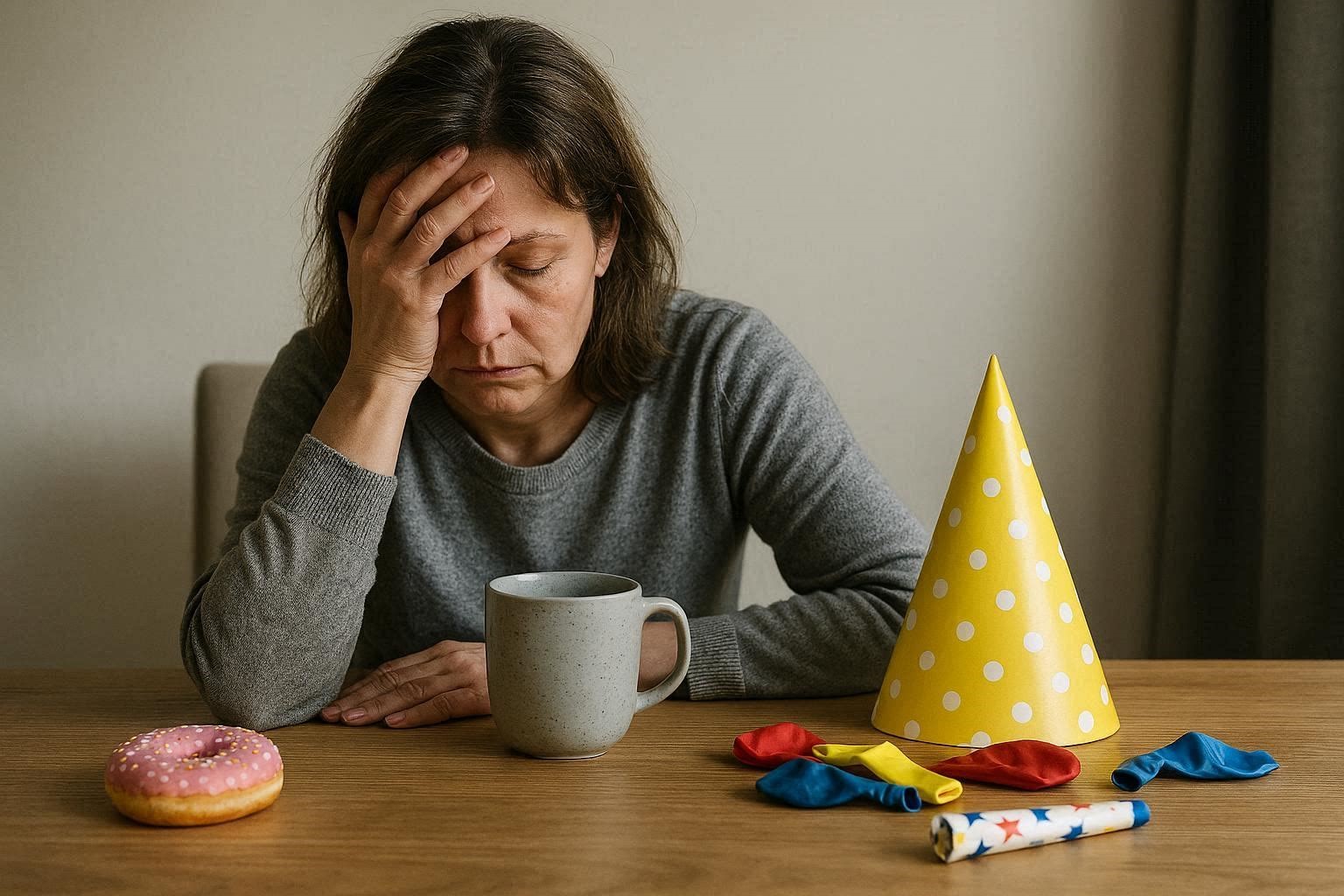
Feeling Guilty When Relaxing
A common sign of losing touch with fun is experiencing intense guilt when relaxing or engaging in leisure activities that don’t directly contribute to productivity, indicating a deeply ingrained belief that all time must be “useful” rather than simply enjoyed. This constant pressure can lead to significant stress.
Constantly Measuring Activities by Productivity
If you find yourself constantly measuring every activity, even hobbies, by its productivity or potential output, rather than the intrinsic joy it brings, it’s a clear indication that you’ve lost the ability to simply pursue things for enjoyment. This mindset hinders true happiness and satisfaction.
Losing Interest in Hobbies You Once Loved
A significant red flag is losing interest in hobbies you once passionately loved, particularly if they now feel like another chore or an obligation to perform rather than a source of genuine enjoyment and relaxation. This detachment from past joys can seriously impact your mental health and well-being.
Why Modern Burnout Is Fueling the Return of Joyful Living
Modern burnout, a pervasive issue stemming from relentless productivity demands, is paradoxically fueling a powerful movement back towards joyful living, as individuals increasingly recognize the unsustainable nature of their current routines and seek genuine satisfaction. This profound shift is essential for overall well-being.

Digital Overload and Mental Exhaustion
The incessant digital overload and mental exhaustion caused by constant connectivity and the expectation to always be “on” are leading many to seek respite, profoundly impacting their mental health and pushing them to cultivate moments of unplugged joy and genuine rest. This pursuit of balance is a crucial coping mechanism.
The Rise of Slow Living and Soft Lifestyle Trends
In response to overwhelming stress, there’s a significant rise in slow living and soft lifestyle trends, where individuals prioritize peace, intentionality, and less frantic routines, demonstrating a collective desire to make room for pure enjoyment and boost their overall well-being. This movement emphasizes psychological contentment.
Why People Are Rejecting Constant Hustle Culture
People are increasingly rejecting constant hustle culture because they realize it often leads to burnout, diminished happiness, and a lack of true satisfaction, opting instead for a lifestyle that values personal mental health, genuine enjoyment, and a more balanced approach to responsibilities. This pursuit of joy is a powerful counter-movement.
How to Rediscover Activities You Truly Enjoy
Rediscovering activities that bring genuine enjoyment is a crucial step in combating burnout and enhancing overall well-being, often involving a deliberate effort to reconnect with forgotten passions and cultivate new sources of happiness without the pressure of productivity. This journey fosters personal psychological growth.

Reconnecting With Childhood Interests
A powerful way to rediscover pure joy is by reconnecting with childhood interests, those activities you pursued simply for the thrill and inherent happiness they provided, before adult responsibilities and productivity demands reshaped your view of leisure activities. This exploration can boost mental health.
Exploring Creative and Playful Hobbies Again
Exploring creative and playful hobbies again, whether it’s painting, writing, or learning an instrument, allows for self-expression and genuine enjoyment, free from the pressure of perfectionism, fostering a sense of accomplishment and contributing significantly to overall psychological well-being. This pursuit enhances satisfaction.
Choosing Activities Based on Curiosity Instead of Achievement
When selecting activities, prioritize curiosity over achievement, allowing yourself to wander into new things simply because they intrigue you, rather than focusing on a measurable outcome, which is a key psychological shift in rediscovering true enjoyment and lasting happiness. This approach helps make us feel more fulfilled.
How to Stop Turning Every Hobby Into Work
Stopping the detrimental habit of transforming every hobby into work is essential for reclaiming genuine joy and boosting mental health, requiring a conscious effort to detach leisure activities from productivity metrics and embrace them purely for their inherent pleasure. This fosters greater psychological satisfaction.
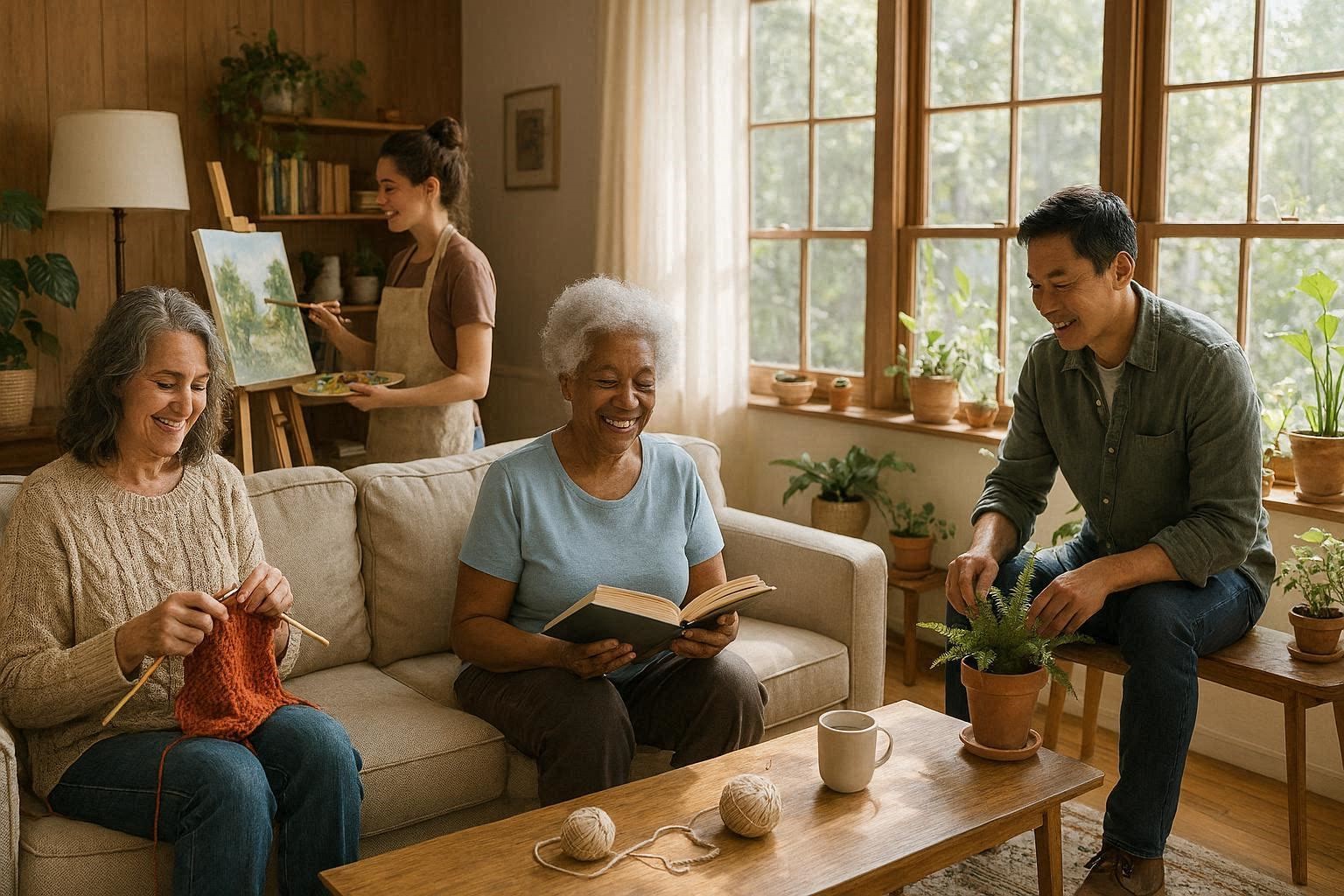
Letting Go of Perfectionism and Performance Pressure
Letting go of perfectionism and the performance pressure that often accompanies modern pursuits is vital when trying to enjoy a hobby again, allowing you to engage in an activity like knitting or golf purely for the fun of it, without the stress of needing to excel. This shift enhances mental health and well-being.
Avoiding Constant Social Media Validation
To truly enjoy hobbies, it’s time to consciously avoid constant social media validation, which often turns personal pursuits into public performances, thereby stripping away the intrinsic joy; instead, focus on the present moment and the satisfaction the activity brings solely to you. This fosters greater personal happiness.
Learning to Enjoy Being a Beginner
Embracing the state of being a beginner is a profound step in preventing hobbies from feeling like work, allowing you to try new things like yoga or a handstand with an open mind and a sense of playful curiosity, rather than the stress of immediate mastery. This psychological approach boosts enjoyment and makes us feel less anxious.
Building a Lifestyle That Makes Room for Fun
Building a lifestyle that intentionally carves out space for pure fun is crucial for long-term mental health and well-being, moving beyond the idea that leisure is a luxury and embracing it as a fundamental responsibility for our psychological health and overall happiness. This cultivates joy daily.
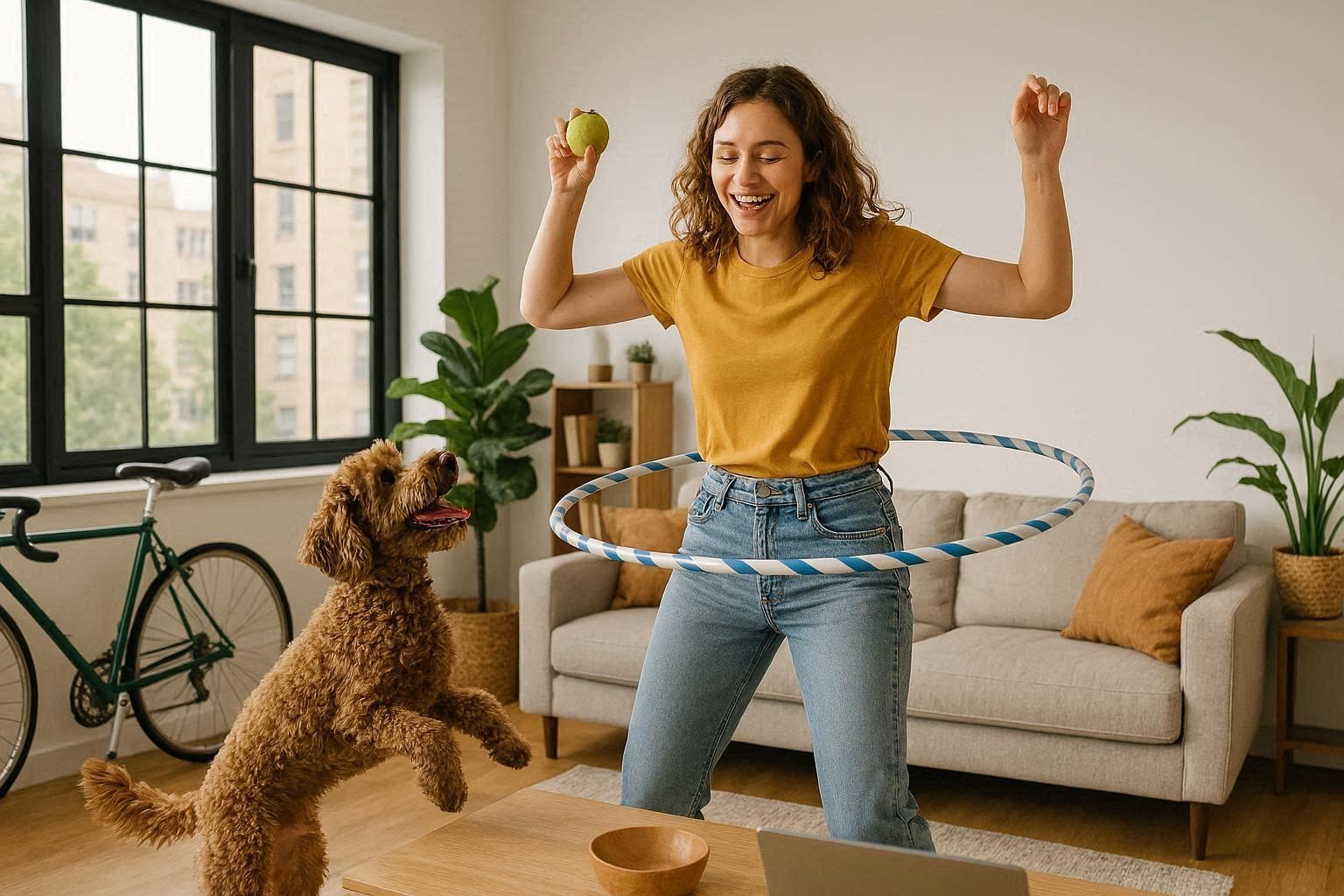
Scheduling Unproductive Time Without Guilt
Consciously scheduling unproductive time into your routine, such as watching TV or simply sitting to observe the sunset, and doing so without guilt, is a powerful act of self-care that allows your mind to wander and boosts your overall satisfaction and enjoyment. This helps make us feel refreshed.
Creating Offline Moments in a Digital World
In our hyper-connected environment, creating deliberate offline moments is still important for boosting mental health; put away your phone and engage in activities that make you feel truly present, like reading a book or taking a walk, rather than being constantly tethered to digital demands. This fosters genuine enjoyment.
Balancing Responsibilities With Joyful Activities
Balancing daily responsibilities with joyful activities is a cornerstone of sustainable well-being, ensuring that life doesn’t become an endless list of tasks, but rather a rich tapestry of obligations interwoven with moments that cultivate joy and provide a much-needed dopamine boost. This prevents burnout and promotes overall happiness.
The Power of Playfulness in Adult Life
Embracing the power of playfulness is not just for children; it is a critical component of adult mental health and well-being, offering profound psychological benefits that combat stress and boost overall life satisfaction in our fast-paced world. This reintroduction of pure joy is transformative.
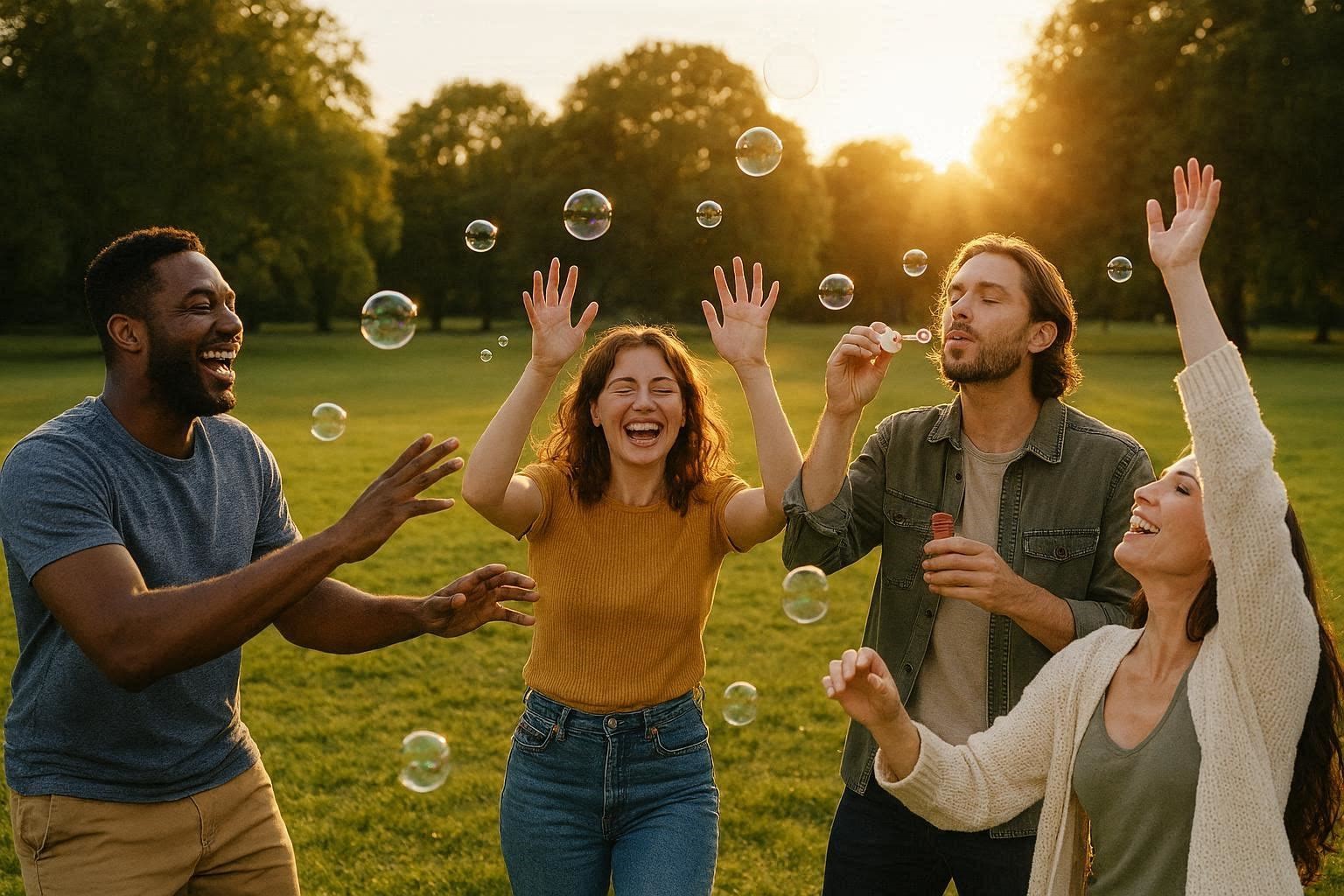
Why Adults Need Play as Much as Children
Adults need play just as much as children to foster creativity, reduce stress, and maintain robust mental health, as playful engagement allows the mind to relax and wander freely, which is essential for emotional well-being and cultivating joy in daily routines. A psychologist would concur with this need.
Fun Activities That Improve Mental Health
Engaging in fun activities significantly improves mental health by providing a much-needed break from daily stressors, offering a healthy outlet for expression, and boosting a sense of happiness and satisfaction, making pursuits like yoga or golf powerful tools for psychological well-being. Trying new hobbies like these can be very beneficial.
Relearning Spontaneity and Curiosity
Relearning spontaneity and curiosity allows adults to rediscover genuine enjoyment, encouraging them to pursue activities without a rigid plan or outcome, which is a key psychological shift that enriches life and fosters a sense of wonder and happiness. This process helps us cultivate joy and feel less anxious.
Social Connection and Shared Joy Experiences
Social connection through shared joy experiences is a fundamental aspect of human well-being, strengthening relationships and providing a powerful antidote to isolation, demonstrating that fun is often amplified when it’s an activity we pursue with others. This enhances overall mental health and satisfaction.

Why Fun Strengthens Human Relationships
Fun strengthens human relationships by creating shared positive experiences, fostering laughter, and building lasting memories, which in turn deepens bonds and boosts collective happiness and satisfaction, proving that mutual enjoyment is a vital component of healthy social psychology. We feel more connected when we cultivate joy together.
Group Hobbies, Game Nights, and Creative Communities
Participating in group hobbies, hosting game nights, or joining creative communities are excellent ways to cultivate joy and social connection. These activities offer several benefits:
- Opportunities to meet new people and share passions
- Collectively boosting mental health through shared, enjoyable experiences
This allows us to pursue new things with others.
Shared Experiences vs Passive Entertainment
Prioritizing shared experiences over passive entertainment is crucial for enhancing well-being and satisfaction; actively engaging in activities with others, like trying new sports or learning to knit, cultivates deeper connections and more profound happiness than simply watching TV alone. This makes us feel truly connected.
Common Mistakes People Make When Trying to “Have Fun”
When trying to “have fun,” people often make common mistakes that hinder genuine enjoyment and satisfaction, frequently due to ingrained productivity mindsets or external pressures, ultimately diminishing the positive psychological benefits that fun is meant to provide. It’s time to notice these pitfalls.
Treating Relaxation Like Another Task
A frequent error is treating relaxation like another task on a to-do list, approaching it with the same stress and pressure as work, which ironically prevents the mind from truly unwinding and experiencing genuine joy or satisfaction. This mindset can make us feel perpetually overwhelmed.
Comparing Your Hobbies to Others Online
Comparing your hobbies and leisure activities to others online often leads to feelings of inadequacy and robs you of genuine enjoyment, as social media often presents an unrealistic portrayal of perfection, hindering your ability to cultivate joy for yourself. It’s important to remember that everybody’s journey is different.
Expecting Immediate Happiness or Perfection
Expecting immediate happiness or perfection from new activities can lead to frustration and diminish the thrill of the pursuit; true joy often unfolds gradually, especially when trying new things, so it’s important to allow for a beginner’s journey without undue pressure. A psychologist would highlight this patient approach.
Simple Ways to Start Enjoying Life More Today
Incorporating simple ways to start enjoying life more today is about intentionally cultivating joy through small, manageable habits and shifting our mindset, recognizing that enhanced well-being doesn’t require grand gestures but rather consistent, mindful efforts. These daily changes can make a big difference.
Small Daily Habits That Bring More Joy
Integrating small daily habits can significantly boost your sense of joy and satisfaction, subtly improving your mental health and overall psychological well-being over time. This helps to cultivate a positive routine, and these habits can include:
- Taking a few minutes for mindfulness meditation
- Practicing gratitude journaling
- Simply noticing the sunset
Beginner-Friendly Fun Activities for Adults
Exploring beginner-friendly fun activities for adults provides accessible entry points to rediscover hobbies and cultivate joy, offering opportunities to engage in new things without the intimidation of high skill requirements. You might find you really enjoy them. Some great examples include:
- Trying a simple handstand
- Learning to knit
- Taking up golf
Creating a Personal “Joy List” for Inspiration
Creating a personal “joy list” for inspiration, filled with activities you’ve always wanted to try or things that simply make you feel good, serves as a practical tool to ensure you’re actively scheduling fun into your life, acting as a reminder of pursuits that bring genuine happiness and boost mental health. This responsibility for self-care is crucial.
Conclusion: Why Fun Is Becoming Essential for Modern Wellness
In conclusion, the relentless pace of modern life has highlighted why fun is becoming essential for modern wellness, as we collectively recognize that cultivating joy and prioritizing mental health are not luxuries but fundamental requirements for a balanced and fulfilling existence. This represents a significant shift in our collective psychology.