In an age defined by rapid technological advancement and evolving societal norms, a curious counter-movement has taken hold, captivating millions, particularly young women, across digital platforms: the tradwife trend. This article delves into the resurgence of traditional marriage roles and the romanticization of a domestic, often submissive, lifestyle.
Understanding the Viral Rise of the Tradwife Movement
What is the Tradwife trend and why is it suddenly everywhere?
The tradwife trend, short for “traditional wife,” has exploded across social media platforms like TikTok, Instagram, and YouTube, becoming a pervasive cultural phenomenon. This movement sees women embracing and openly promoting a lifestyle centered around homemaking, motherhood, and prioritizing their husband’s needs above their own careers or personal ambitions, often showcasing their daily routines filled with domestic duties.
Why this topic matters in modern digital culture and relationships
This resurgence matters significantly in modern digital culture as it challenges prevailing narratives of feminism and female independence, prompting widespread discussion about gender roles, individual choice, and the potential impact on relationship dynamics in an increasingly interconnected world. The visibility of tradwife content shapes perceptions of womanhood.
The Meaning of “Tradwife”: Definition and Core Ideology
Breaking down the term “traditional wife” in modern context
A “traditional wife” in the modern context refers to a woman who willingly embraces and publicly advocates for traditional gender roles, often involving a submissive stance within the marriage and a primary focus on domesticity, childcare, and supporting her husband’s career as the main provider. The tradwife consciously rejects modern feminist ideals.
Key values associated with the tradwife lifestyle
Key values associated with the tradwife lifestyle typically include a strong emphasis on family values and a perceived return to simpler times. More specifically, tradwives often uphold:
- Devout femininity
- A strong emphasis on homemaking and diligent childcare
- Upholding a traditional way of life where the husband is the clear head of the household
How tradwives differ from stay-at-home partners in real life
Both tradwives and stay-at-home partners manage domestic responsibilities. However, their underlying philosophies often differ significantly.
| Characteristic | Tradwives |
|---|---|
| Core Beliefs | Embrace traditional gender roles and often a submissive dynamic, viewing their role as deeply rooted in a specific ideology of womanhood. |
| Approach to Household Management | Managed within an explicit traditional framework. |
Stay-at-home partners, on the other hand, may simply be managing a household without adhering to such an explicit traditional framework.
The Origins of the Tradwife Movement
Historical roots: traditional marriage roles in past decades
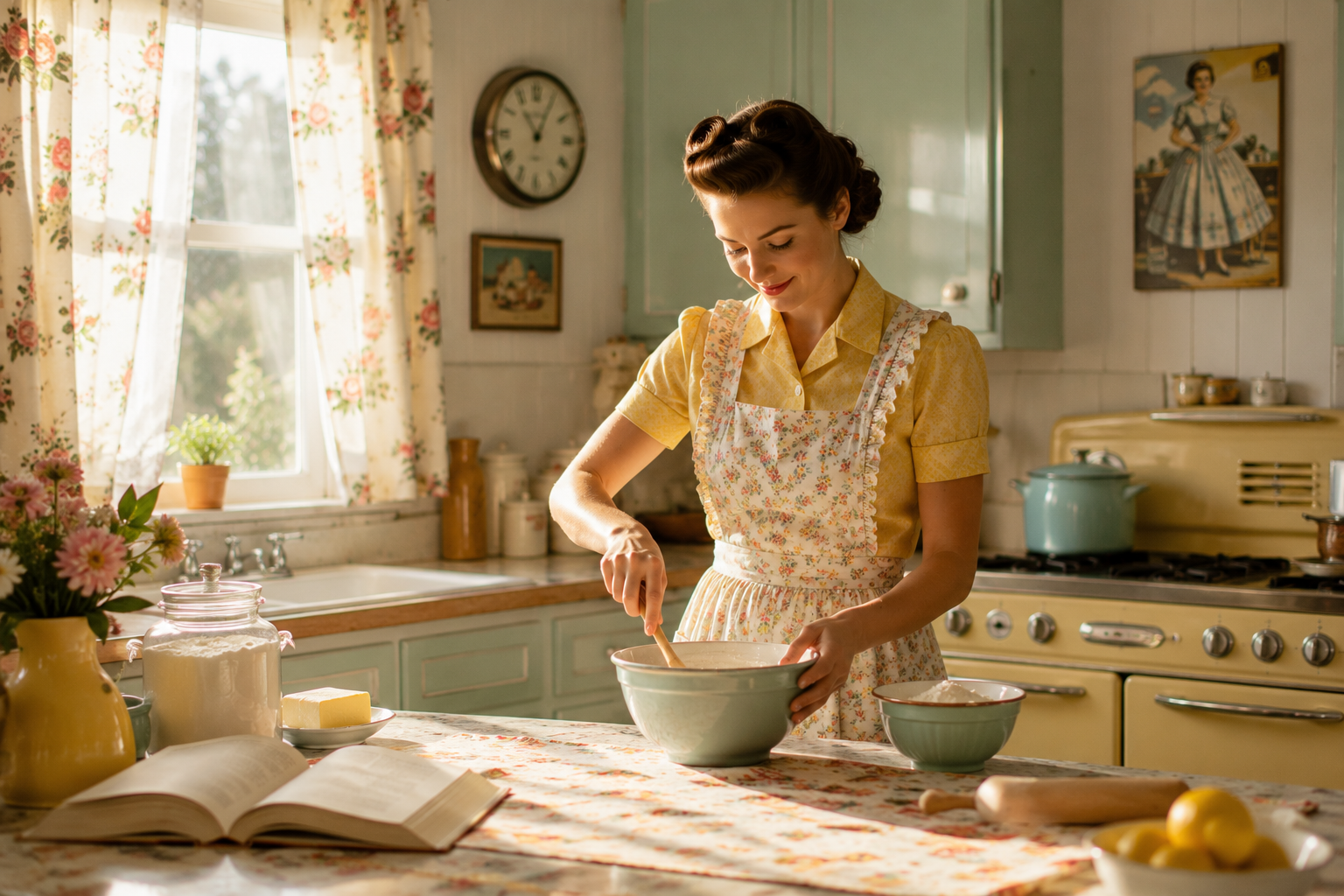
The tradwife trend draws heavily from historical roots, romanticizing traditional marriage roles prevalent in past decades, particularly mid-20th century America, where a clear division of labor saw men as breadwinners and women as homemakers. This nostalgic view often overlooks the broader social and economic contexts of those eras.
How social media reshaped and rebranded the concept
Social media has been instrumental in reshaping and rebranding the traditional wife concept, transforming it from a quiet personal choice into a visible, curated lifestyle movement. Platforms like TikTok and Instagram allow tradwife influencers to showcase idyllic versions of domesticity, making the concept aspirational and visually appealing to a wide audience.
The role of TikTok, Instagram, and YouTube influencers
Influencers like Hannah Neeleman, Nara Smith, and Estee Williams play a pivotal role, leveraging platforms such as TikTok, Instagram, and YouTube to disseminate tradwife content, showcasing their daily routines of homemaking, cooking, and childcare. These social media personalities contribute significantly to the movement’s visibility and appeal.
Why the Tradwife Trend Is Going Viral in 2026
Social media aesthetics and the rise of curated domestic life
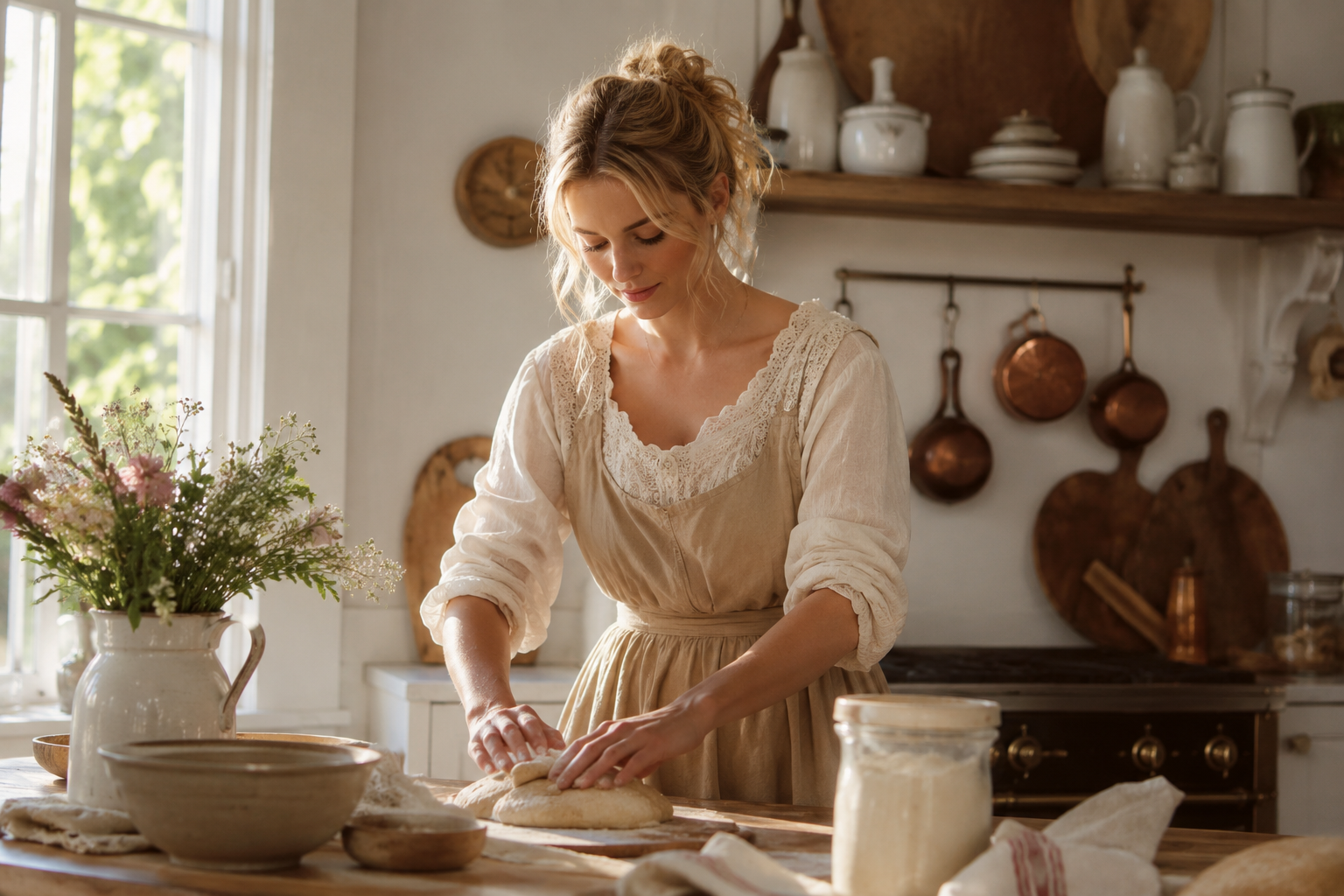
The viral success of the tradwife trend is intrinsically linked to compelling social media aesthetics, where influencers meticulously curate and present an idealized, visually appealing version of domestic life. This ‘soft life’ branding, featuring spotless homes and aesthetically pleasing routines, makes the traditional way of life seem aspirational and achievable.
Burnout culture and the desire for slower living
The tradwife trend also gains traction amidst a widespread burnout culture, as many young women, particularly, yearn for a perceived slower, less stressful way of living. The idea of retreating from demanding careers and embracing domesticity appeals to those seeking an escape from modern pressures.
Economic uncertainty and shifting family priorities
Economic uncertainty plays a significant role in the tradwife trend’s virality, as shifting family priorities lead some to view a single-income household and dedicated homemaking as a practical, or even appealing, alternative. This perspective often emerges when dual-income households still struggle to achieve financial stability.
Nostalgia for “simpler times” and cultural psychology
A deep-seated nostalgia for “simpler times” and a yearning for perceived societal stability contribute significantly to the tradwife trend’s appeal, tapping into a collective cultural psychology. This longing for a romanticized past provides a psychological comfort amidst the complexities and rapid changes of contemporary society.
What Tradwife Content Actually Looks Like Online
Daily routines: homemaking, cooking, parenting, and lifestyle content
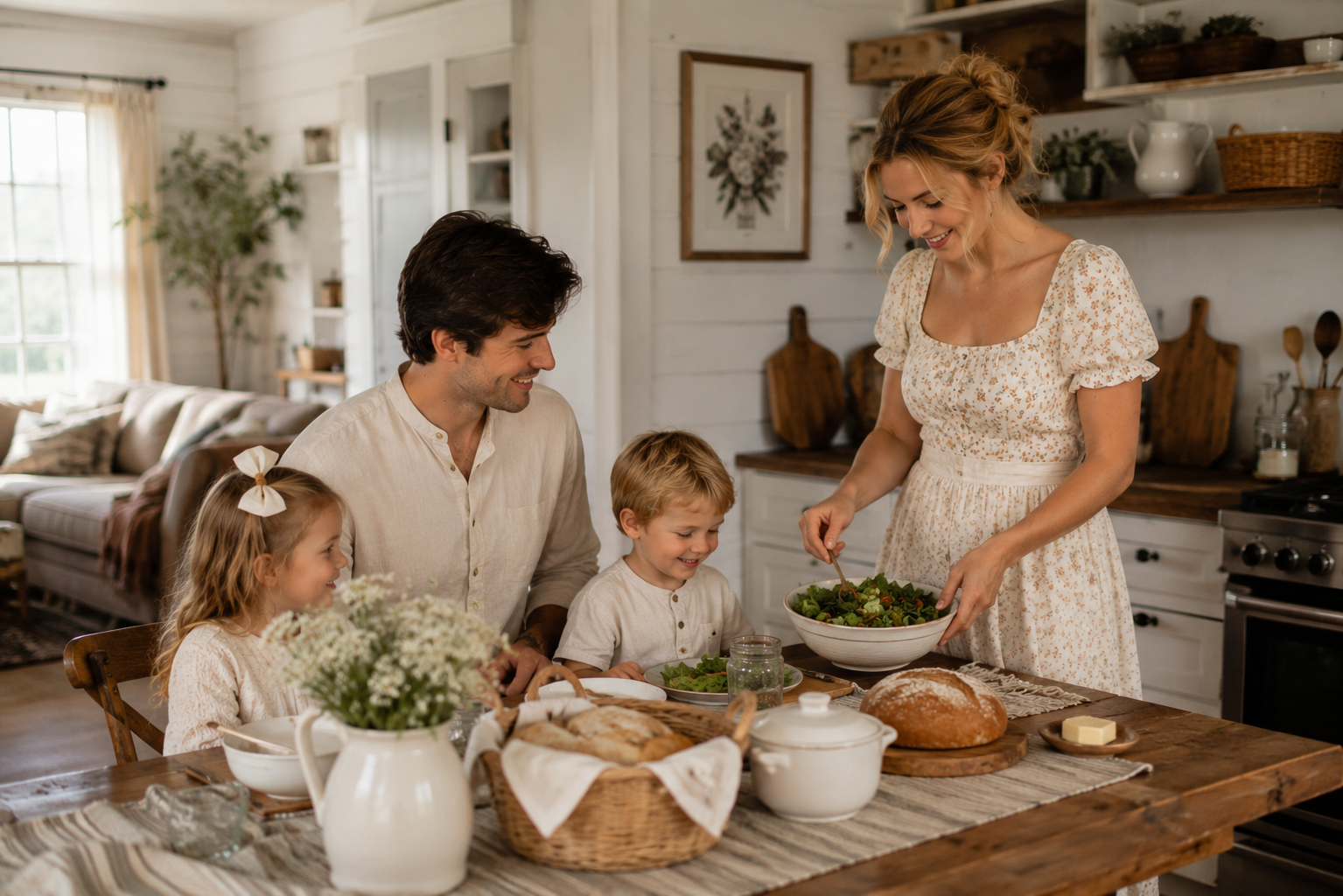
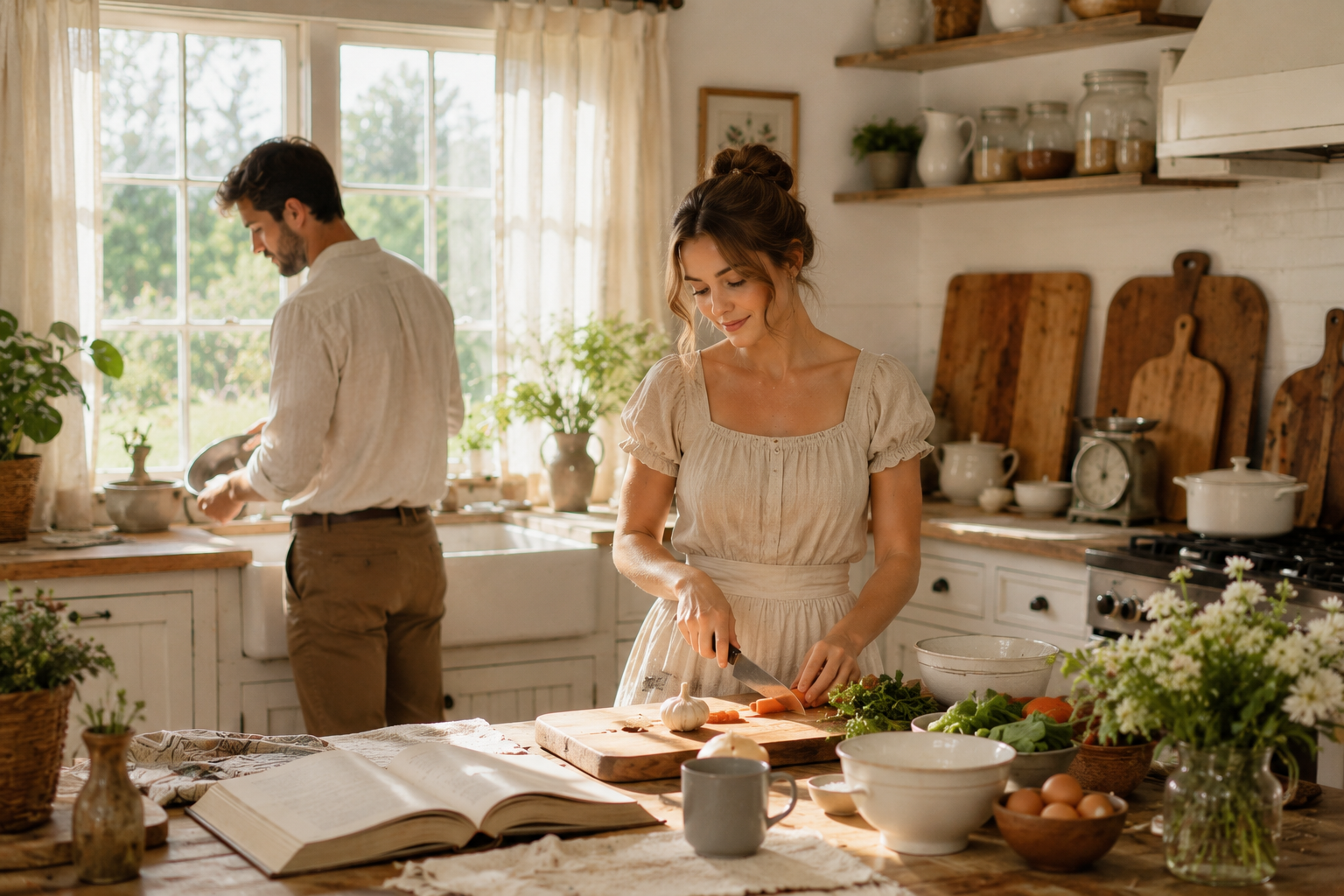
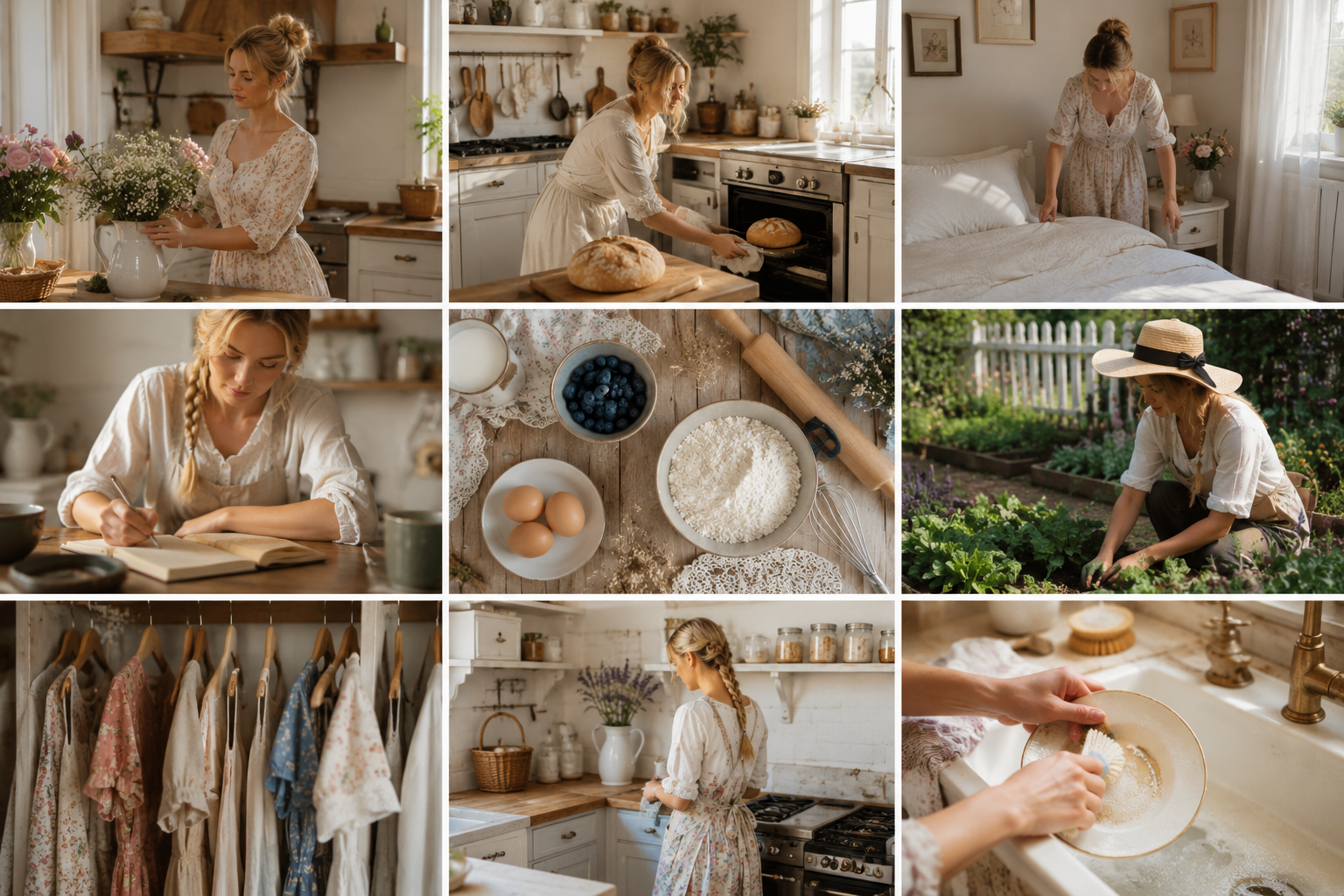
Tradwife content prominently showcases daily routines centered around homemaking, cooking, parenting, and a general lifestyle that emphasizes domesticity. Influencers meticulously film themselves performing domestic duties, from preparing elaborate, often from-scratch meals, to meticulously cleaning their homes, and engaging in hands-on childcare.
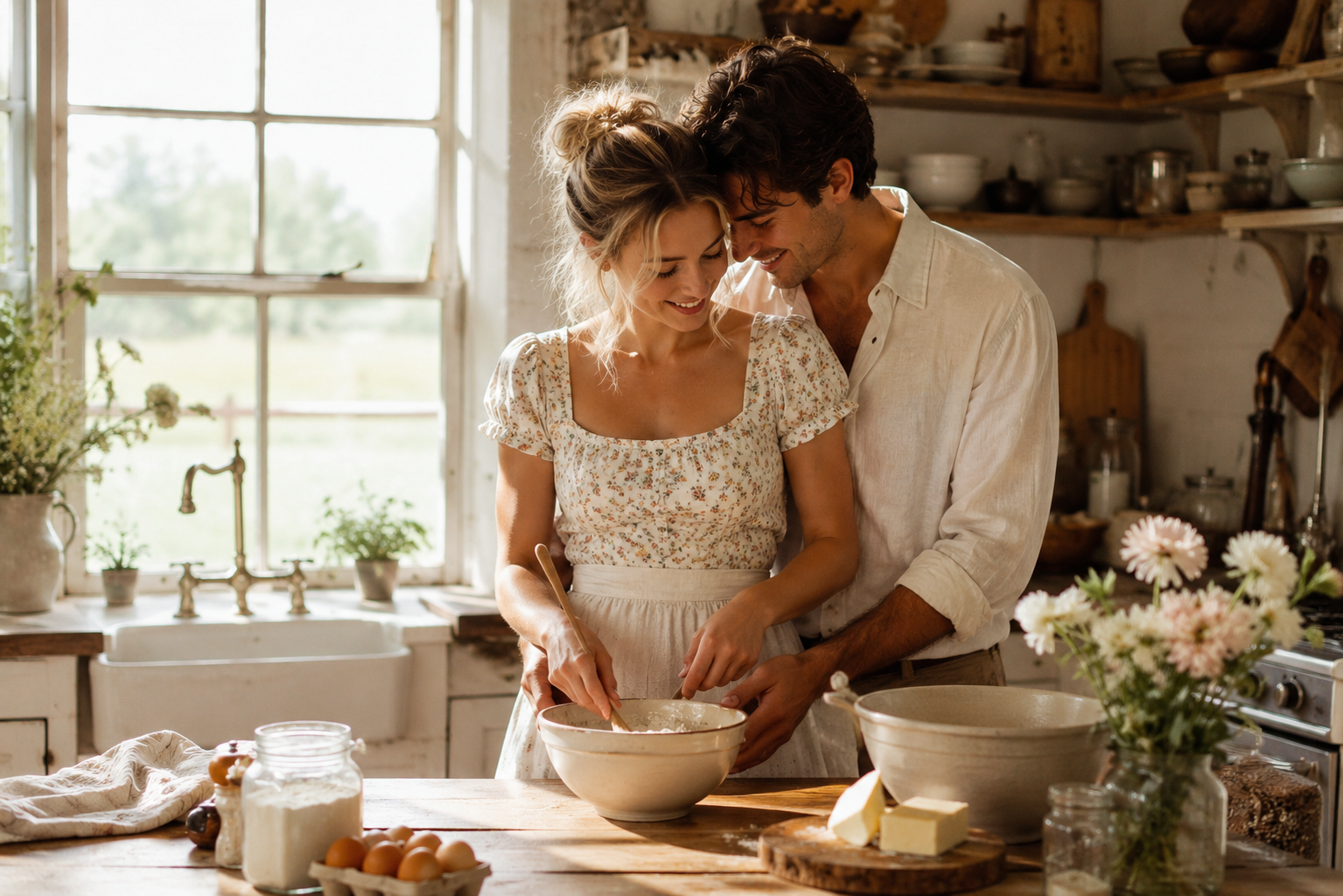
This content often highlights traditional skills like baking bread or gardening, presenting a serene and productive vision of the traditional way of life. The daily routines of a tradwife, as depicted, aim to inspire other young women to embrace a similar path.
Visual aesthetics: vintage fashion, clean homes, and soft-life branding
The visual aesthetics of tradwife content are highly curated, often featuring vintage fashion, impeccably clean and organized homes, and an overall soft-life branding that exudes tranquility and order. Young women embracing this trend often don aprons, don modest, feminine attire, and present their living spaces as havens of domestic bliss.
This aesthetic appeal, coupled with serene music and warm lighting, makes the tradwife lifestyle seem incredibly inviting and aspirational to their audience, carefully crafting a romanticized image of traditional womanhood.
Monetization: how tradwife influencers earn income online
Tradwife influencers have effectively found ways to monetize their online presence, earning income through various channels. This often includes:
- Brand partnerships for household products, kitchenware, or clothing
- Sponsored posts showcasing their daily routines
- Direct sales of digital products like cookbooks or homemaking guides
Content creators like Hannah Neeleman and Nara Smith leverage their large followings on TikTok, Instagram, and YouTube to generate revenue, proving that even a submissive, domestic lifestyle can be a lucrative social media venture for a modern tradwife.
The Psychology Behind Romanticizing Traditional Marriage
The appeal of structure, stability, and clearly defined roles
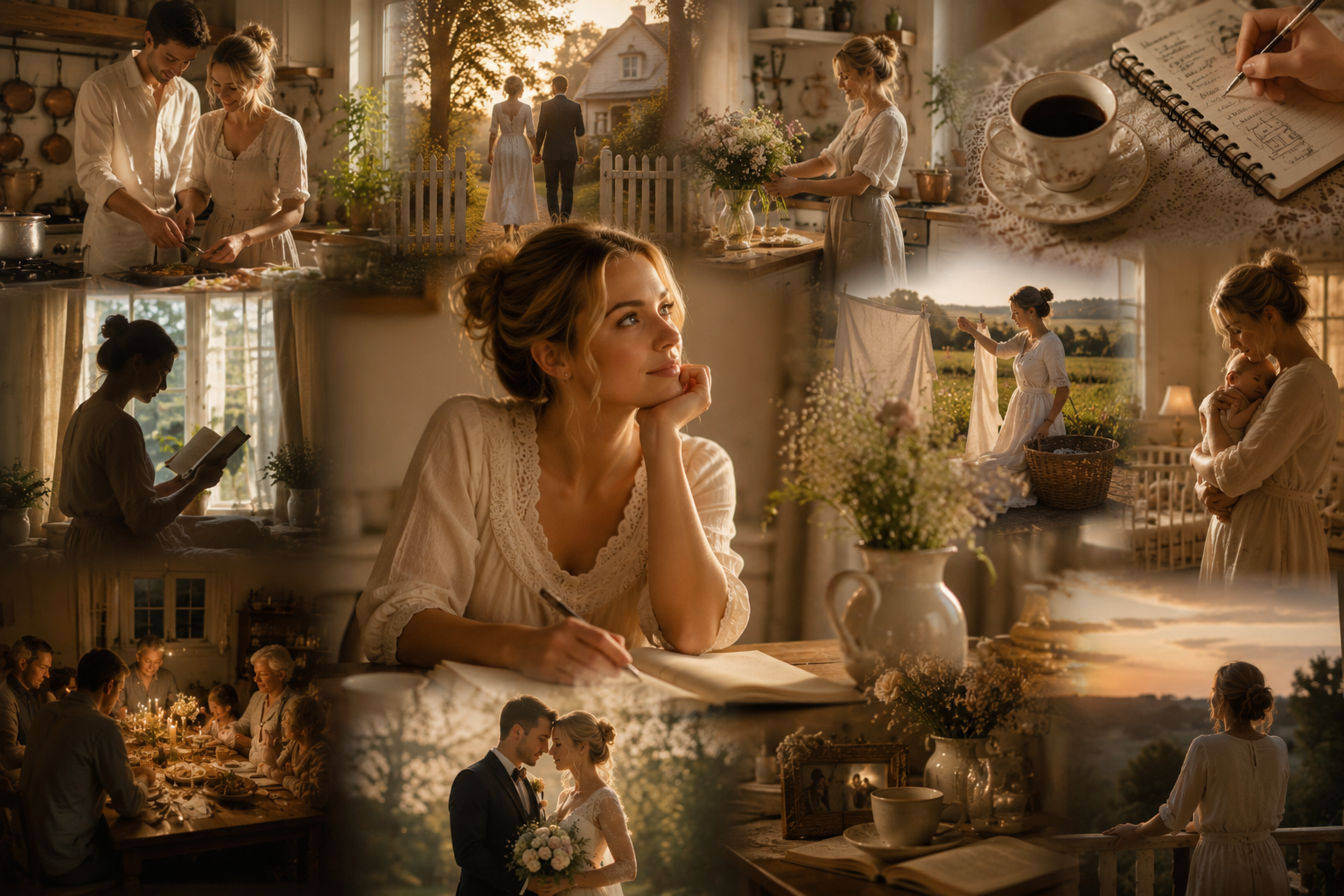
The psychological appeal behind romanticizing traditional marriage often stems from a profound desire for structure, stability, and clearly defined roles, particularly for young women navigating an increasingly complex world.
In a society where gender roles are fluid and expectations can be ambiguous, the tradwife trend offers a seemingly straightforward blueprint for life, providing a sense of purpose and reducing the anxieties associated with modern independence. This clear delineation of responsibilities, with the husband as provider and the wife and mother as homemaker, can feel inherently secure.
Emotional safety vs modern independence pressures
Many young women are drawn to the tradwife lifestyle as a perceived refuge of emotional safety, contrasting sharply with the pressures of modern independence, where constant striving for career success and self-reliance can lead to burnout and isolation.
The idea of a partnership where one is primarily nurtured and protected, free from the relentless demands of the professional world, offers a compelling sense of security. This perceived escape from societal expectations for relentless self-optimization becomes a powerful motivator to embrace traditional gender roles.
The influence of identity formation in digital communities
Identity formation plays a significant role within digital communities, influencing the romanticization of traditional marriage. For many young women, joining the tradwife movement online provides a strong sense of belonging and a ready-made identity, particularly when they feel disconnected from mainstream feminist narratives.
These online spaces, populated by fellow traditional women and supportive tradwife influencers, offer validation and affirmation, fostering a collective identity centered around domesticity and traditional femininity, reinforcing the allure of this traditional way of life.
Tradwife vs Modern Feminism: The Ongoing Debate

Where critics see regression in gender roles
Critics of the tradwife trend often view it as a stark regression in gender roles, arguing that it undermines decades of feminist progress towards equality and women’s empowerment. They contend that promoting a submissive, domestic role for young women reinforces patriarchal structures, limits individual potential beyond the home, and perpetuates harmful stereotypes about traditional women.
This perspective emphasizes that the tradwife lifestyle, while presented as a choice, can inadvertently contribute to societal pressures that restrict womanhood to narrow, antiquated definitions, potentially impacting reproductive health care access and other freedoms.
Why supporters frame it as personal choice and empowerment
Supporters, however, frame the tradwife trend as an ultimate expression of personal choice and empowerment, asserting that genuine freedom includes the right for young women to choose a traditional way of life without judgment.
They argue that embracing homemaking and motherhood, and prioritizing family over career, can be deeply fulfilling and a conscious decision, not an imposition. For these traditional women, the ability to opt out of the corporate rat race and dedicate themselves fully to domestic duties represents a form of agency and a rejection of what they perceive as the unfulfilling demands of modern feminism.
Can both perspectives coexist in modern society?
The question of whether both tradwife and modern feminist perspectives can coexist in modern society remains a complex and often contentious debate. While proponents of individual freedom argue that all lifestyle choices should be respected, critics express concern about the broader societal implications of the tradwife trend on gender equality and women’s rights.
Achieving coexistence requires fostering an environment where differing choices are understood and respected, without one ideology undermining the progress or perceived well-being of the other, especially concerning the future of young women and their perceived options.
Misconceptions About the Tradwife Lifestyle
It is not always financially independent or realistic
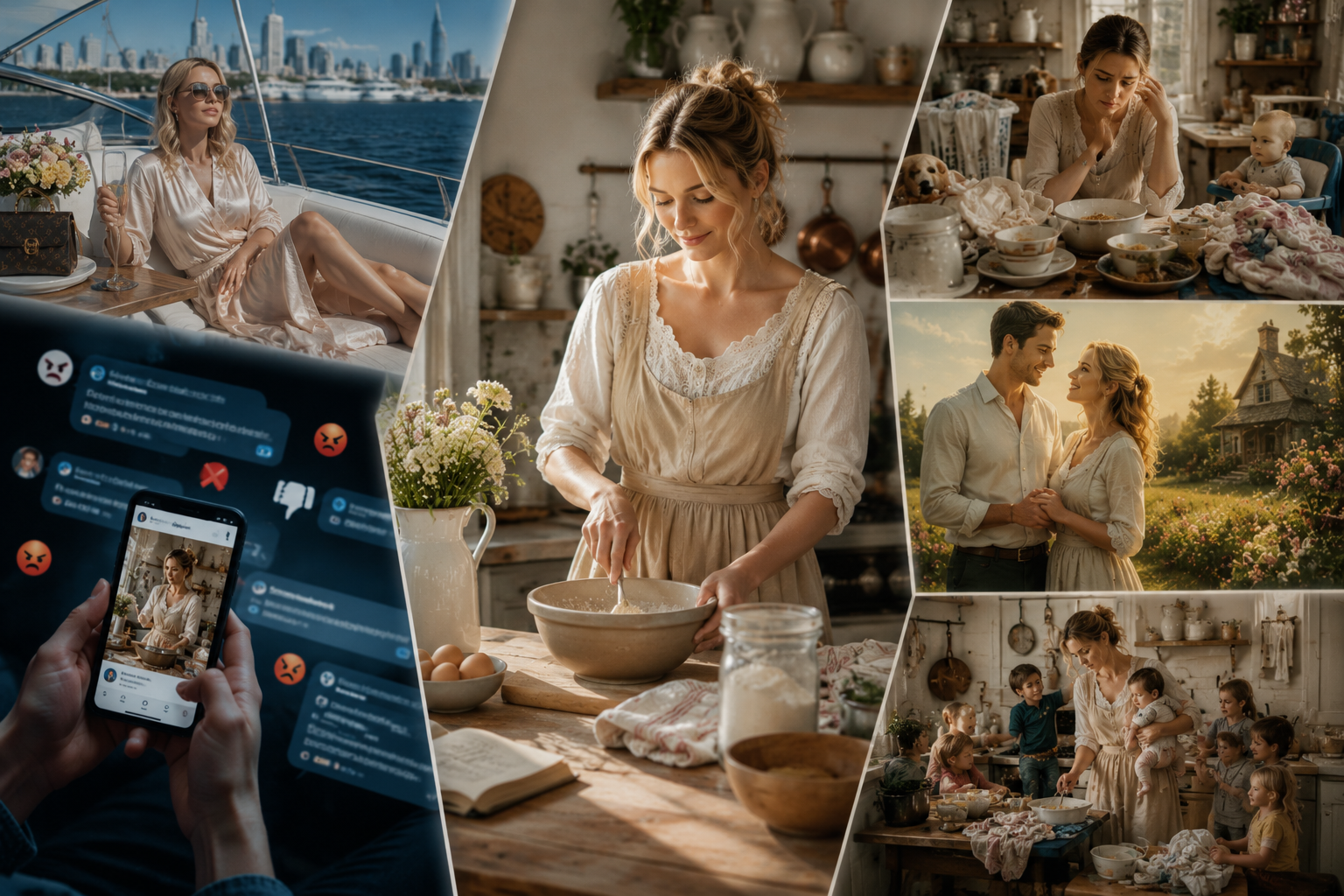
A significant misconception about the tradwife lifestyle is that it is always financially independent or realistic for everyone. The idyllic images often showcased by tradwife influencers on TikTok and Instagram frequently gloss over the substantial economic insecurity faced by many single-income households.
The reality for many young women aspiring to this traditional way of life is that it heavily relies on a partner with a robust income, and without that, becoming a full-time homemaker can be financially untenable, making the aesthetic content differ greatly from lived reality.
The difference between aesthetic content and lived reality
There is a stark difference between the aesthetic content portrayed by tradwife influencers and the lived reality of many who attempt to embrace this lifestyle. While social media presence features pristine homes, effortless cooking, and perpetually happy families, the day-to-day challenges of homemaking, childcare, and maintaining traditional gender roles can be demanding, isolating, and emotionally taxing.
The curated ‘tradwife’ image often omits the unseen labor, financial pressures, and potential loss of personal identity that can accompany a life solely dedicated to domesticity, influencing young women with an unrealistic vision.
Not all tradwife influencers follow the same ideology
It is important to understand that not all tradwife influencers follow the same ideology, despite their shared commitment to a traditional way of life. While many share core values related to homemaking, motherhood, and femininity, their interpretations of “trad” can vary widely, from secular homesteading enthusiasts to devoutly religious individuals.
Some, like Hannah Neeleman, focus on large families and farm life; others emphasize vintage aesthetics; and a small, controversial fringe promotes more extreme or politically charged interpretations, challenging the notion of a monolithic tradwife movement, showcasing the diversity among traditional women.
Cultural and Social Impact of the Tradwife Trend
Influence on younger generations and relationship expectations
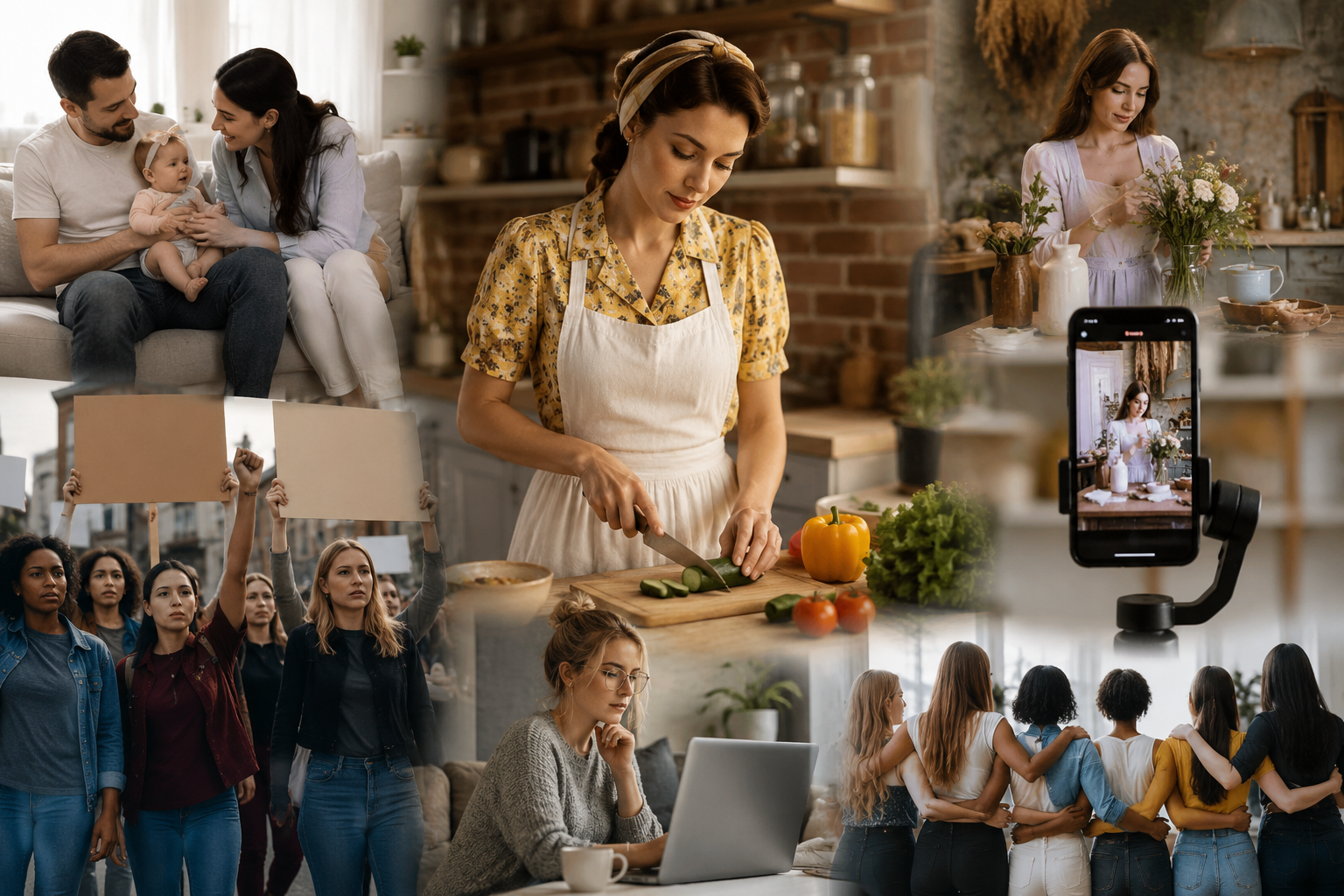
The tradwife trend significantly influences younger generations, shaping their relationship expectations and perceptions of womanhood. As young women increasingly encounter tradwife content on platforms like TikTok and Instagram, it normalizes and romanticizes traditional gender roles, potentially affecting their career aspirations, family planning, and views on partnership.
The aesthetic appeal of the tradwife lifestyle, often curated by prominent tradwife influencers like Hannah Neeleman, can lead some to believe that domesticity and a submissive role are the ideal paths to fulfillment, challenging more contemporary ideas of female independence and individual choice.
Impact on marriage ideals and family planning discussions
The tradwife trend has a discernible impact on marriage ideals and family planning discussions, encouraging a return to more traditional structures. For some young women, the romanticized portrayal of a devoted wife and mother whose primary focus is homemaking and childcare redefines their aspirations for marriage, potentially prioritizing a partnership where the husband is the sole provider.
This emphasis on traditional gender roles can lead to discussions about family size, the division of domestic duties, and even reproductive health care within relationships, as couples navigate the perceived benefits and challenges of a traditional way of life.
Connection to broader lifestyle trends (soft life, slow living, cottagecore)
The tradwife trend is closely connected to broader lifestyle trends such as “soft life,” “slow living,” and “cottagecore,” all of which promote a rejection of modern hustle culture in favor of a more serene, aesthetically pleasing existence.
While not all adherents of these trends embrace traditional gender roles, the tradwife movement often adopts their visual aesthetics—think apron-clad women baking bread on a homesteading farm in Utah—to enhance its appeal. This overlap allows tradwife influencers to tap into a wider audience of young women seeking a calmer, more intentional way of life, intertwining traditional values with contemporary aesthetic preferences for a curated domesticity.
Criticism, Controversy, and Ethical Concerns
Gender role reinforcement and societal implications
The tradwife trend faces significant criticism for its role in reinforcing traditional gender roles and its broader societal implications. Critics argue that by promoting a submissive, homemaker identity for women, the movement subtly or overtly undermines decades of progress in gender equality.
This reinforcement can perpetuate stereotypes that limit young women’s career ambitions, devalue paid labor outside the home, and potentially increase economic insecurity for women who fully embrace a single-income household. The glorification of traditional womanhood may inadvertently pressure those who do not conform to these ideals.
Online idealization vs real-world challenges
A key area of controversy lies in the stark contrast between the online idealization of the tradwife lifestyle and the real-world challenges faced by those who live it.
Tradwife influencers like Nara Smith and Hannah Neeleman present a meticulously curated vision of domestic bliss—clean homes, perfectly cooked meals, and serene family life—that often omits the daily struggles, financial pressures, and emotional toll of being solely responsible for domestic duties and childcare. This aesthetic content can create unrealistic expectations for young women, leading to disillusionment when their lived reality does not match the polished social media presence.
Political and ideological interpretations of the movement
The tradwife movement is also subject to diverse political and ideological interpretations, often attracting controversy due to its association with certain conservative or even far-right viewpoints. While many tradwives simply advocate for a traditional way of life, some content creators align with more extreme ideologies that promote patriarchal structures, white ethnonationalism, or anti-feminist rhetoric.
This spectrum of belief among tradwife influencers means that the movement, for some, is not just about homemaking but a broader political statement about societal decline, leading to concerns about the propagation of harmful or exclusionary ideologies, especially by white women who are predominantly represented.
Is the Tradwife Trend a Lifestyle or a Social Media Performance?
The role of branding and algorithm-driven content
The tradwife trend heavily relies on branding and algorithm-driven content, raising questions about its authenticity as a lifestyle versus its function as a social media performance. Influencers meticulously craft their online persona, using specific aesthetics, language, and narratives that resonate with their target audience and are favored by platforms like TikTok and Instagram.
This strategic branding, combined with algorithms that amplify engaging content, means that the idealized tradwife image is often a carefully constructed facade designed for maximum reach and monetization, sometimes overshadowing the genuine experiences of traditional women.
Authentic lifestyle vs monetized identity
The distinction between an authentic lifestyle and a monetized identity is central to understanding the tradwife trend. While some content creators genuinely live a traditional way of life and share their experiences, many others, including prominent tradwife influencers, leverage their domesticity as a primary source of income through brand deals, sponsorships, and digital product sales.
This monetization blurs the lines, as the pursuit of online virality and financial gain can incentivize exaggerating or embellishing aspects of their daily routines, turning a personal choice into a lucrative performance that might not fully reflect the reality of being a traditional wife and mother.
Audience perception vs creator intention
The tradwife trend creates a complex dynamic between audience perception and creator intention. While tradwife influencers might genuinely intend to share their traditional way of life and inspire others, their highly curated content can be perceived by young women as an achievable ideal, irrespective of the creators’ personal motivations.
The audience, captivated by the aesthetic content and the romanticized vision of domesticity, may not always discern the performative aspects or the economic realities behind the social media presence. This disconnect can lead to misunderstandings about the feasibility and challenges of truly embracing the tradwife lifestyle.
The Future of the Tradwife Movement
Will the trend grow, fade, or evolve into something new?
The future of the tradwife movement remains uncertain, with possibilities ranging from continued growth and mainstream integration to a gradual fading into niche online communities, or its evolution into something entirely new. The trend’s longevity will depend on its ability to adapt to changing social norms, economic conditions, and the ever-evolving landscape of social media.
As with many viral phenomena, the current peak of tradwife content may eventually subside, but the underlying desire for stability and redefined gender roles could manifest in different forms, appealing to young women seeking alternatives to modern pressures.
How Gen Z and Gen Alpha may reshape the concept
Gen Z and Gen Alpha, as digital natives with distinct values and experiences, are likely to significantly reshape the tradwife concept. While currently, many young women from these generations are drawn to the aesthetic content, their inherent skepticism towards overt performance and their emphasis on authenticity and individual expression may lead to a more nuanced or personalized interpretation of traditional gender roles.
They might blend elements of domesticity with career ambitions, or redefine what “trad” means for them, moving beyond the rigid definitions often promoted by current tradwife influencers like Estee Williams, creating a more inclusive or flexible version of womanhood.
Predicted evolution of marriage and domestic roles in the digital age
The predicted evolution of marriage and domestic roles in the digital age will inevitably be influenced by trends like the tradwife movement, but it is unlikely to revert entirely to past norms. Instead, a hybrid model may emerge, where traditional values and modern independence coexist in various forms.
While some young women may continue to embrace a fully domestic tradwife lifestyle, others might adopt selective elements, such as prioritizing homemaking skills or family time, without forsaking their careers or personal autonomy. The digital age will likely continue to facilitate diverse expressions of womanhood, offering both traditional and non-traditional paths.
Final Thoughts: What the Tradwife Trend Reveals About Modern Society
The tradwife trend, whether viewed as a lifestyle choice or a social media performance, ultimately reveals profound insights into modern society’s anxieties, desires, and ongoing debates about gender, identity, and fulfillment. Its viral rise among young women highlights a yearning for perceived simplicity, stability, and clearly defined roles in an increasingly complex and demanding world. While sparking crucial conversations about feminism and personal freedom, the movement also underscores the enduring allure of nostalgia and the powerful influence of curated online narratives, prompting us to critically examine the true costs and benefits of embracing any traditional way of life in the digital age.