As we navigate the complexities of modern life, the concept of self-care is evolving, moving beyond superficial remedies to embrace deeper, more profound methods of healing.
This shift acknowledges the intricate connection between our mental well-being and the fundamental operations of our nervous system.
The Shift From Surface Self-Care to Deep Healing
Why traditional self-care no longer feels enough
Many individuals are discovering that traditional self-care practices, while pleasant, often provide only temporary relief, failing to address the underlying causes of persistent stress and emotional overwhelm. The feeling that spa days or quick distractions aren’t truly impactful for long-term well-being is becoming increasingly common.
The rise of stress, burnout, and emotional overload in modern life
The relentless pace of modern life contributes significantly to chronic stress, burnout, and emotional overload, leaving countless individuals feeling perpetually drained. Our nervous system is constantly bombarded with stimuli, leading to a pervasive sense of unease that traditional remedies struggle to alleviate.
Why nervous system health is now central to wellness
Consequently, the focus on nervous system health is emerging as a critical component of holistic wellness, recognized for its central role in maintaining overall well-being. Understanding how to regulate your nervous system is no longer a niche concept but a foundational aspect of personal health.
What Is Nervous System Healing?

Simple explanation of the nervous system and its role
The nervous system, a complex network within our body, acts as the command center for all our functions, from breathing to thinking, playing a crucial role in managing our body’s stress response. It dictates our reactions to the world, making its regulation paramount for health.
Difference between relaxation and nervous system regulation
While relaxation offers temporary reprieve, nervous system regulation is a deeper process that involves actively training your autonomic nervous system for long-term balance and resilience. It’s about building capacity, not just fleeting comfort, allowing one to calm the nervous system more effectively.
Why healing focuses on long-term balance, not quick relief
Nervous system healing prioritizes sustainable physiological and psychological balance over quick fixes, aiming to re-pattern responses and genuinely heal a dysregulated nervous system. This approach acknowledges that lasting change requires consistent effort and a holistic understanding of the body and mind.
How the Nervous System Works Under Stress

Fight, flight, freeze, and fawn responses explained
Under perceived threat, our sympathetic nervous system activates innate survival mechanisms, which are primal responses to danger. These automatic reactions are designed to protect us, but can become problematic when chronically activated. These responses include:
- Fight
- Flight
- Freeze
- Fawn
Chronic stress and “stuck” survival states
Chronic stress can trap the nervous system in these “stuck” survival states, leading to persistent feelings of anxiety, vigilance, or numbness, even when no immediate threat is present. This continuous activation can deplete the body and mind, making it difficult to find a sense of calm.
How modern life keeps the nervous system over-activated
The constant demands of modern life, including digital overstimulation and societal pressures, frequently keep the nervous system over-activated, hindering its ability to return to a calm, parasympathetic state. This persistent stimulation prevents the body from adequately resting and repairing itself.
Why Modern Self-Care Is No Longer Enough

Limitations of spa days, distractions, and quick fixes
Spa days, distractions, and other quick fixes, while enjoyable, often merely mask the symptoms of a dysregulated nervous system rather than addressing the core issues. They provide a temporary escape without fostering true, lasting nervous system regulation.
Emotional exhaustion despite rest or vacations
Many people experience profound emotional exhaustion despite taking ample rest or vacations, indicating that their nervous system isn’t truly resetting or recovering. This highlights the insufficiency of surface-level relaxation when the deeper physiological stress response remains unaddressed.
Why surface relaxation doesn’t reset stress patterns
Surface relaxation techniques typically fail to reprocess deeply ingrained stress patterns or help your nervous system move out of a chronic fight-or-flight state. Real healing requires methods that engage the somatic experience to truly reset your nervous system.
The Science Behind Nervous System Dysregulation
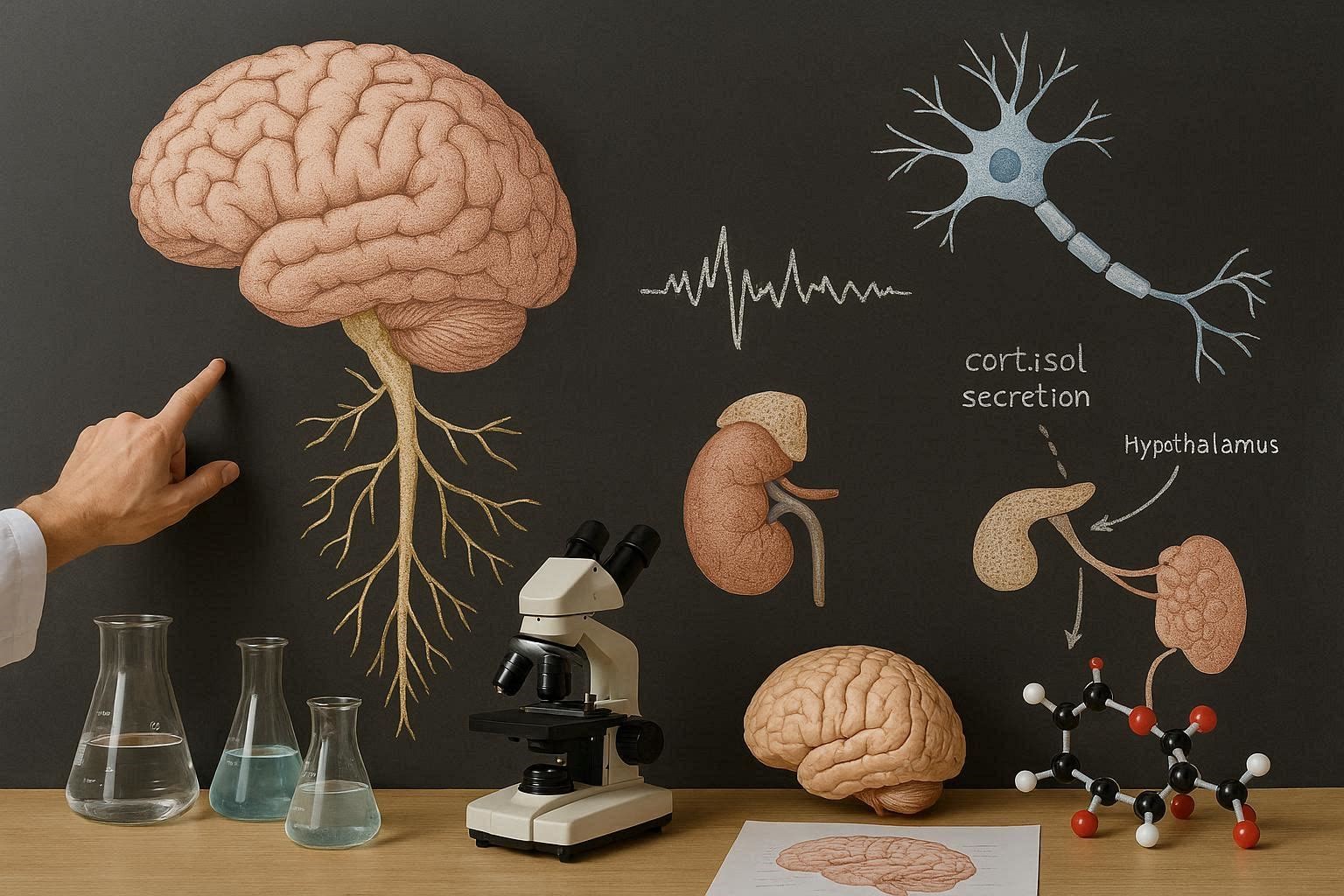
Role of cortisol and stress hormones in burnout
Elevated levels of cortisol and other stress hormones play a significant role in burnout, as their sustained presence signals constant danger to the body, leading to systemic dysregulation. This hormonal imbalance can profoundly impact overall physical health and mental clarity.
Brain-body connection and emotional processing overload
The intricate brain-body connection can become overwhelmed by emotional processing overload, where the nervous system struggles to effectively integrate experiences, leading to persistent tension. This can manifest as physical symptoms or heightened emotional reactivity.
How chronic stress affects sleep, focus, and mood
Chronic stress profoundly disrupts sleep architecture, impairs cognitive focus, and destabilizes mood, indicating a significant impact on the nervous system’s ability to maintain homeostasis. It can prevent the parasympathetic nervous system from fully engaging, hindering recovery.
Why Nervous System Healing Became a Global Trend

Burnout culture and rising mental health awareness
The pervasive burnout culture, coupled with increasing mental health awareness, has significantly contributed to the global trend of nervous system healing, as individuals seek sustainable solutions beyond superficial self-care practices. This recognition underscores a collective shift towards addressing the root causes of chronic stress and emotional overwhelm, fostering a deeper understanding of the body and mind.
Influence of social media and digital overstimulation
The constant influence of social media and pervasive digital overstimulation has heightened the awareness of nervous system dysregulation, prompting many to seek ways to calm the nervous system and re-establish balance. This relentless exposure to information and social comparison often keeps the sympathetic nervous system in a heightened state, making practices like digital detox and mindfulness increasingly relevant for nervous system regulation.
Shift from productivity culture to healing culture
There is a notable societal shift from a relentless productivity culture to a more compassionate healing culture, where prioritizing well-being and nervous system health is gaining precedence. This transformation encourages individuals to heal a dysregulated nervous system by integrating somatic and trauma-informed approaches, rather than pushing through exhaustion, ultimately promoting a more sustainable approach to life and work.
Key Signs Your Nervous System Is Dysregulated
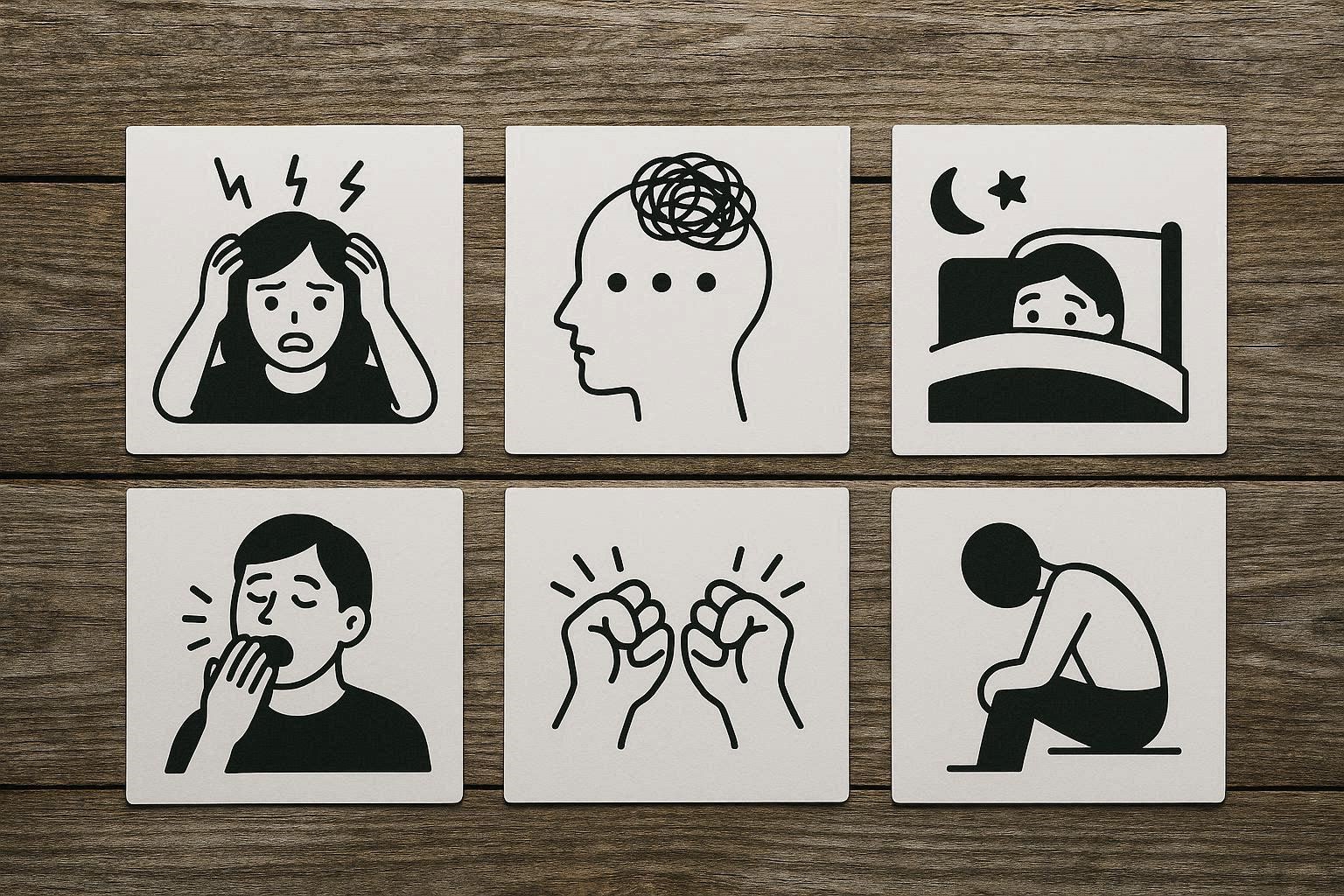
Constant fatigue or feeling “wired but tired”
One of the most telling signs your nervous system is dysregulated is experiencing constant fatigue alongside a paradoxical feeling of being “wired but tired,” indicating a chronic activation of the sympathetic nervous system. This state prevents the parasympathetic nervous system from effectively engaging for rest and recovery, leaving the body and mind in a perpetual state of alert and exhaustion.
Anxiety, irritability, or emotional sensitivity
Persistent anxiety, heightened irritability, or extreme emotional sensitivity are clear indicators that your nervous system may be struggling to regulate, often stemming from an overactive stress response. When the nervous system isn’t able to effectively process daily stressors, even minor triggers can lead to overwhelm, making it difficult to maintain a sense of calm and emotional stability.
Difficulty relaxing even during rest periods
A significant sign of nervous system dysregulation is the difficulty in genuinely relaxing, even when intentionally attempting to rest or unwind, suggesting the fight-or-flight response remains active. This inability to switch off highlights that your nervous system isn’t fully engaging its parasympathetic functions, preventing the deep rest necessary for true nervous system regulation and restoration.
Brain fog and reduced focus or motivation
Experiencing persistent brain fog, reduced focus, or a noticeable decline in motivation are often symptoms that your nervous system isn’t operating optimally and may be in a state of chronic stress. This cognitive impairment can be a direct result of the body’s resources being diverted to manage perceived threats, making it challenging for the body and mind to engage in higher-level functions and maintaining clear thought.
How Nervous System Healing Actually Works
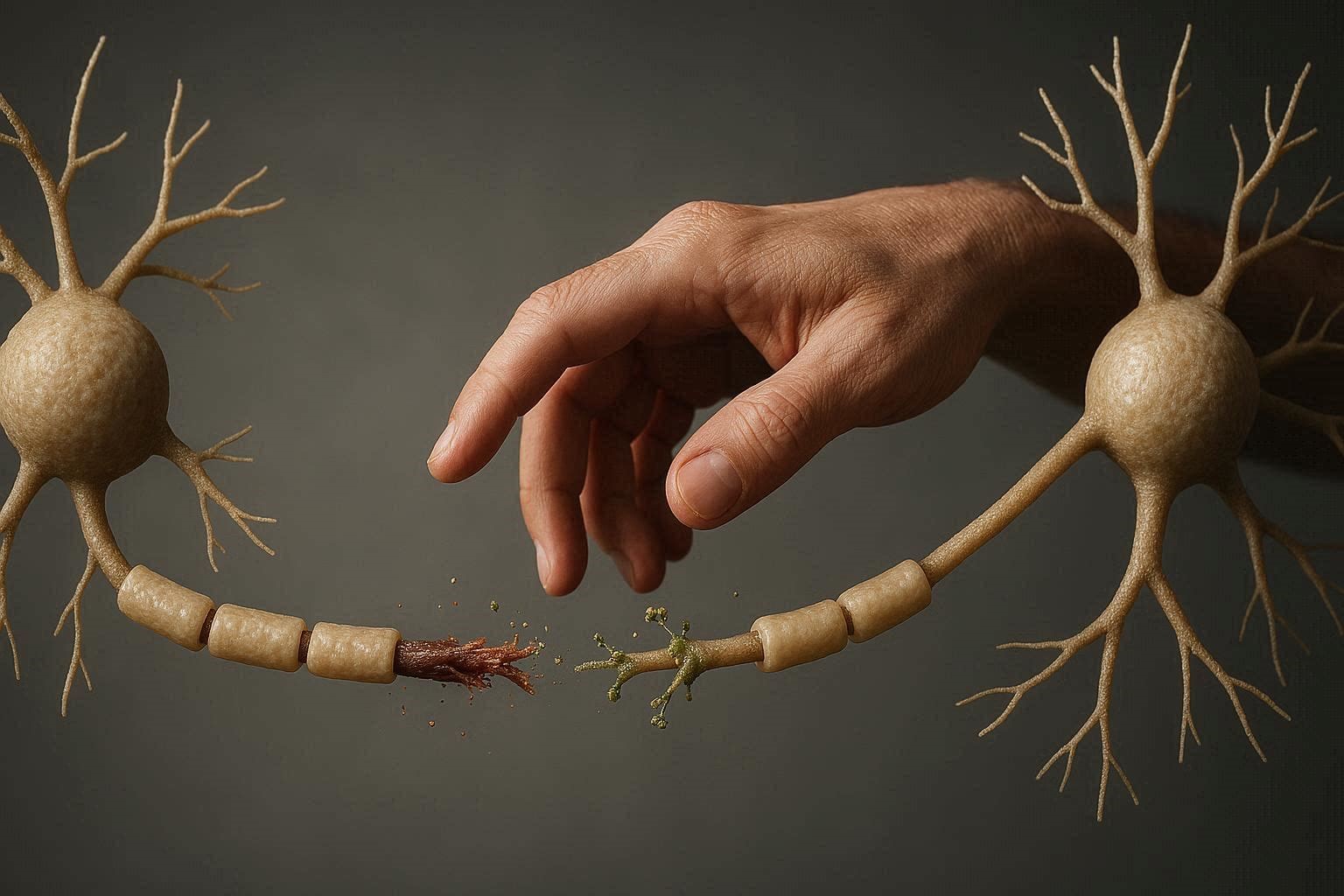
Regulation through breath, movement, and grounding
Nervous system healing primarily works by utilizing regulation techniques to send safety signals to the brain and body. These practices help to gently shift the autonomic nervous system out of fight-or-flight and into a more balanced state, fostering a greater sense of calm and presence. Some of these techniques include:
- Breathwork
- Mindful movement
- Grounding exercises
Creating safety signals for the brain and body
A fundamental aspect of nervous system healing involves consciously creating safety signals for the brain and body, which helps to deactivate the stress response and promote relaxation. Through consistent self-care practices and intentional actions, individuals can teach their nervous system to feel secure, gradually reducing chronic stress and fostering deep healing.
Rewiring stress responses through repetition and habits
Nervous system healing effectively rewires ingrained stress responses through consistent repetition of new, healthier habits, allowing the body and mind to form new neural pathways. This process helps to reprocess past experiences and develop a more resilient nervous system, ensuring that future stressors are met with a more regulated and less reactive response, ultimately helping to heal your nervous system over time.
Powerful Nervous System Healing Practices

Breathwork and deep breathing techniques
Utilizing targeted breathwork and various deep breathing techniques is a powerful way to directly influence the autonomic nervous system, promoting a rapid shift towards the parasympathetic state. These practices can calm the nervous system, reduce overwhelm, and are essential for those looking to regulate their stress response effectively and reset your nervous system.
Mindful movement (walking, stretching, yoga)
Engaging in mindful movement practices such as walking, stretching, or yoga offers a somatic approach to nervous system regulation, helping to release stored tension and improve the body-mind connection. These gentle activities allow individuals to reprocess physical sensations and emotional experiences, effectively helping to heal a dysregulated nervous system by fostering a sense of safety and presence.
Digital detox and sensory reduction practices
Implementing a digital detox and integrating sensory reduction practices are crucial for reducing the constant overstimulation that often keeps the nervous system in a state of fight-or-flight. By intentionally limiting exposure to screens and loud environments, one can provide much-needed rest for the nervous system, allowing it to calm and begin the process of nervous system regulation.
Sleep restoration and recovery routines
Prioritizing sleep restoration and establishing consistent recovery routines are foundational to nervous system healing, as deep rest allows the body and mind to repair and rebalance. Adequate sleep is vital for the nervous system’s ability to reprocess daily stressors and consolidate learning, ensuring that the system isn’t overwhelmed and can maintain optimal physical health.
The Role of Lifestyle in Nervous System Health

Importance of safe environments and relationships
Creating safe environments and fostering supportive relationships are paramount for nervous system health, as these external factors profoundly influence our internal sense of security and well-being. A sense of psychological safety helps to calm the nervous system, allowing the parasympathetic nervous system to thrive and enabling more effective nervous system regulation, which is essential for healing a dysregulated nervous system.
Reducing overstimulation from digital life
Consciously reducing overstimulation from digital life is crucial for protecting the nervous system from chronic stress, as constant inputs can keep the sympathetic nervous system on high alert. Implementing digital detoxes and setting boundaries with screen time helps to reset your nervous system, allowing the body and mind to reprocess information more effectively and preventing the overwhelm often associated with modern life.
Balancing productivity with recovery cycles
Achieving a healthy balance between productivity and consistent recovery cycles is vital for sustained nervous system health, preventing burnout and promoting long-term resilience. Prioritizing deliberate rest and active self-care practices ensures that the autonomic nervous system has ample opportunity to restore itself, preventing chronic stress and supporting overall nervous system regulation.
Nervous System Healing vs Traditional Self-Care

Quick relief vs long-term regulation
Nervous system healing differs from traditional self-care by focusing on long-term regulation of the nervous system rather than merely offering quick, transient relief from stress symptoms. While conventional self-care might provide temporary relaxation, nervous system healing aims to re-pattern the body’s stress response, promoting enduring stability and resilience within the autonomic nervous system.
Emotional escape vs emotional processing
Where traditional self-care often provides an emotional escape, nervous system healing emphasizes deep emotional processing, allowing individuals to genuinely address and reprocess underlying emotional triggers. This approach, often incorporating somatic techniques or trauma-informed practices, helps your nervous system to integrate past experiences, fostering true healing rather than simply avoiding discomfort, thereby helping to heal a dysregulated nervous system.
Surface wellness vs deep biological healing
Nervous system healing delves into deep biological healing, moving beyond surface-level wellness to address the physiological roots of dysregulation, offering a more profound impact than conventional self-care practices. It focuses on how the body and mind interact at a foundational level, ensuring that the nervous system’s innate capacity for self-repair is activated, leading to sustainable improvements in physical health and overall well-being.
Benefits of Nervous System Healing

Improved emotional stability and resilience
One of the most significant benefits of nervous system healing is the profound improvement in emotional stability and resilience, allowing individuals to navigate life’s challenges with greater ease. By regulating your nervous system, you develop a more balanced stress response, reducing instances of overwhelm and fostering a consistent sense of calm even amidst adversity, which supports overall nervous system regulation.
Better sleep and energy regulation
Nervous system healing leads to dramatically better sleep patterns and enhanced energy regulation, as the body’s natural restorative processes are no longer hindered by chronic stress. When the parasympathetic nervous system is adequately engaged, the body and mind can achieve deeper, more restful sleep, contributing to improved physical health and sustained vitality throughout the day.
Reduced anxiety and stress sensitivity
Through consistent nervous system healing practices, individuals experience a marked reduction in anxiety levels and a decreased sensitivity to everyday stressors. By teaching the nervous system to feel safe and to modulate its fight-or-flight response, the constant vigilance diminishes, fostering a more relaxed disposition and a greater capacity to calmly address life’s demands, which aids in nervous system regulation.
Increased clarity, focus, and creativity
Healing the nervous system significantly boosts cognitive functions, leading to increased mental clarity, enhanced focus, and a surge in creative capacity. When the nervous system isn’t constantly in a state of overwhelm or chronic stress, the body and mind can allocate more resources to higher-level thinking, allowing for greater innovation and productivity without the associated mental fatigue.
Common Misconceptions About Nervous System Healing
“It’s just relaxation techniques” myth
A common misconception is that nervous system healing is merely a collection of relaxation techniques, overlooking its profound, transformative impact on the autonomic nervous system. While relaxation is a component, true nervous system healing involves deep, somatic practices and regulation strategies designed to reprocess past experiences and fundamentally alter the body’s stress response, moving beyond simple self-care practices.
“It replaces therapy or medical treatment” misconception
It’s important to clarify that nervous system healing is not a replacement for professional therapy or medical treatment, especially if you’ve experienced trauma or have underlying health conditions. Rather, it serves as a powerful complementary approach that can enhance therapeutic outcomes and support overall physical health by promoting nervous system regulation alongside expert guidance, ultimately helping to heal a dysregulated nervous system.
Why consistency matters more than intensity
Understanding why consistency matters more than intensity is crucial for successful nervous system healing, as gradual, sustained efforts yield lasting change in the body and mind. Daily, gentle practices that support nervous system regulation are far more effective at rewiring the stress response than sporadic, intense interventions, helping to cultivate a consistent sense of calm and resilience over time.
How to Start Healing Your Nervous System in Daily Life
Starting your journey to heal your nervous system in daily life involves integrating small, consistent self-care practices that promote nervous system regulation and a greater sense of calm. You can begin this process by incorporating simple techniques into your daily routine, such as:
- Grounding techniques
- Mindful breathing exercises
- Short periods of sensory reduction
These foundational steps help to gently shift your body and mind out of fight-or-flight mode, reprocess daily stressors, and gradually build resilience within your autonomic nervous system.
Conclusion: Healing the Nervous System Is the Foundation of Modern Self-Care
In conclusion, healing the nervous system has unequivocally emerged as the foundational pillar of modern self-care, transcending superficial remedies to address the deep biological and emotional roots of well-being. By prioritizing nervous system regulation, we move beyond quick fixes to cultivate lasting emotional stability, resilience, and a profound sense of calm, ensuring that our body and mind are truly equipped to thrive in an increasingly demanding world, ultimately leading to a more regulated nervous system.