
In an era defined by relentless deadlines and the constant push for more, a profound shift is underway. The traditional hustle culture, once glorified for its emphasis on perpetual activity, is now giving way to a more enlightened approach where rest is not merely an absence of work, but a strategic component of sustainable performance and true productivity.
Why Hustle Culture Is Being Replaced by Recovery Culture

The shift from “always busy” to sustainable performance
The relentless pursuit of being “always busy” is proving unsustainable, leading to widespread exhaustion and burnout among professionals.
This realization has sparked a crucial shift from the detrimental hustle culture to a more enlightened recovery culture, where prioritizing rest is understood as essential for maintaining long-term performance and preventing chronic stress. Modern professionals are learning that constant activity ultimately drains creativity and leads to diminished returns.
Why rest is now seen as a productivity strategy
Paradoxically, rest is now being recognized not as a luxury or a reward, but as a critical productivity strategy. Research shows that taking time to rest significantly boosts mental clarity, enhances problem-solving abilities, and even improves decision-making. Far from being a sign of slacking, incorporating rest periods into one’s routine is an intentional act designed to maintain peak cognitive function and achieve a more sustainable and productive workflow.
What Does “Rest Is Productivity” Mean?

Redefining productivity beyond working hours
The concept of “rest is productivity” fundamentally redefines what it means to be productive, moving beyond the outdated notion that output is solely measured by hours spent at a desk.
True productivity encompasses not just active work, but also the restorative periods that allow the brain and body to recuperate. This modern perspective emphasizes quality of work over sheer quantity of time, understanding that a well-rested individual is inherently more effective and focused.
Rest as active recovery, not inactivity
Crucially, this new productivity paradigm views rest not as mere inactivity, but as a form of active recovery. It’s about engaging in activities that genuinely reset the mind and body, rather than mindlessly scrolling or engaging in other draining habits.
This could involve mindfulness practices, light physical activity, or simply dedicating moments of rest to allow for mental processing, ensuring that these periods are truly regenerative and contribute to overall wellbeing.
The Science Behind Rest and Brain Performance
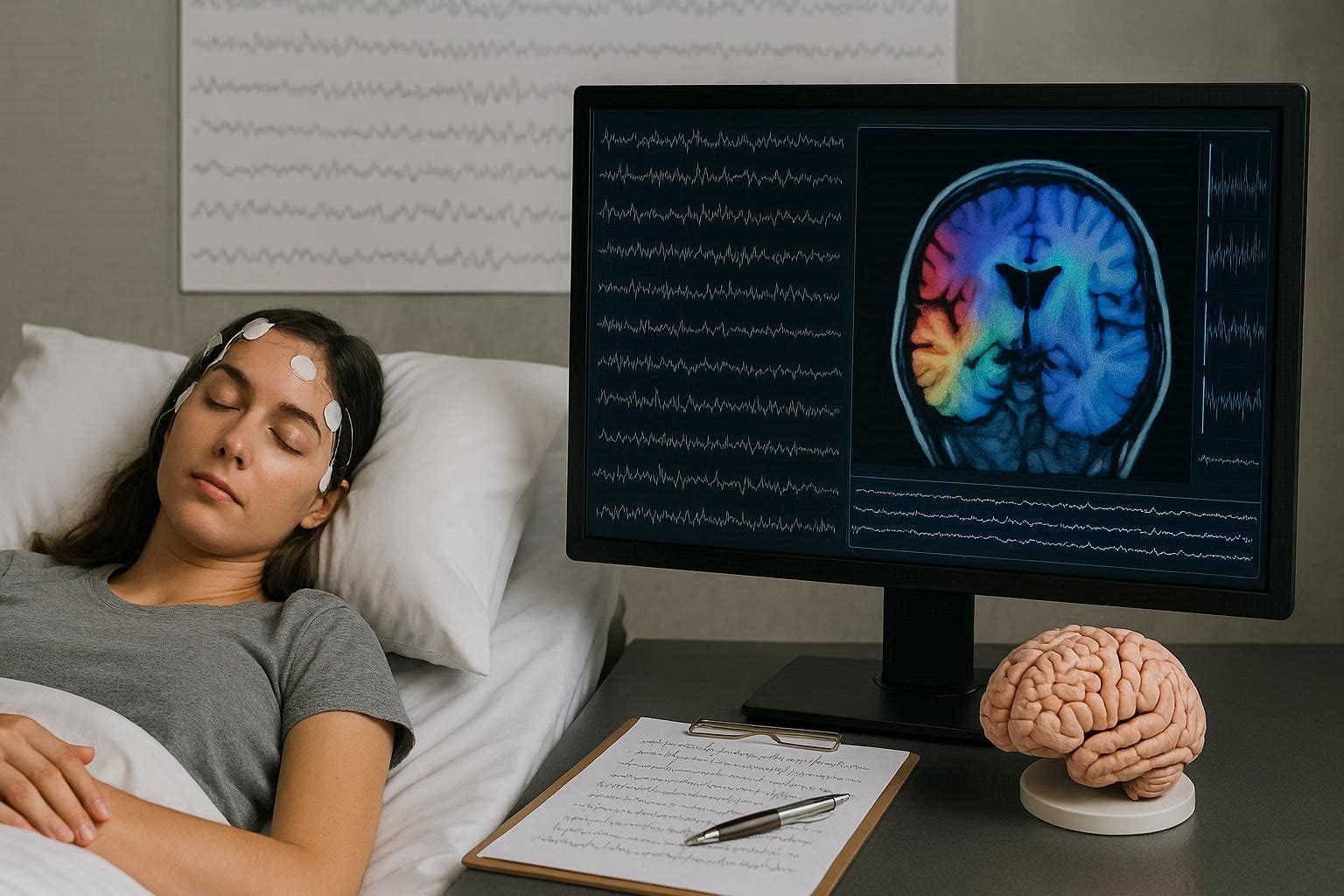
How rest improves memory, focus, and decision-making
The science is clear: adequate rest significantly improves critical cognitive functions such as memory, focus, and decision-making. During periods of rest, especially during enough sleep, the brain consolidates information, processes experiences, and clears out metabolic byproducts that accumulate during wakefulness.
This restorative process directly translates into enhanced mental clarity and improved cognitive performance when individuals return to their tasks, making rest a powerful productivity hack.
Why cognitive fatigue reduces productivity
Conversely, neglecting rest leads to cognitive fatigue, which is a major drain on productivity. When the brain is overworked, attention spans dwindle, errors increase, and the ability to think creatively or solve complex problems diminishes significantly.
Chronic stress and mental exhaustion elevate heart rate and blood pressure, further impairing performance. Understanding this, prioritizing rest becomes an essential ritual for anyone aiming to maintain their best self and achieve true productivity without succumbing to burnout.
Why Overworking Lowers Productivity

Burnout and stress hormone effects on performance
Overworking inevitably leads to burnout, a state of chronic stress that has profound negative effects on performance and overall wellbeing.
When individuals push themselves too hard without adequate rest, their bodies release stress hormones like cortisol, which, over time, impair cognitive function, increase heart rate, and reduce the ability to focus. This constant physiological burden makes sustainable productivity impossible, leading to exhaustion and a significant drain on mental and physical resources.
Why more hours often mean worse results
The misguided belief that more hours equate to better results is a myth that modern research definitively debunks. Beyond a certain point, working longer hours without incorporating rest periods actively diminishes the quality of work.
Cognitive fatigue sets in, leading to increased errors, reduced creativity, and poor decision-making. Essentially, the extra time spent is counterproductive, undermining the very goals it intends to achieve and hindering true productivity.
How Rest Boosts Creativity and Focus

The role of breaks in problem-solving and innovation
Incorporating strategic rest periods is a powerful productivity hack that significantly boosts creativity and enhances problem-solving abilities. When individuals take time to rest, their minds can wander, allowing for a diffuse thinking mode, which is crucial for generating novel ideas and making unexpected connections. These moments of rest are not wasted time; rather, they are restorative periods that allow the brain to process information in the background, leading to breakthroughs and innovation.
How rest resets attention and mental clarity
Rest serves as a vital reset button for our attention and mental clarity. Just as a device needs to be rebooted to clear its cache, our brains require regular breaks to refresh their cognitive resources.
Taking time to rest, even for short periods, helps to alleviate cognitive fatigue, reduce distractions, and improve sustained focus. This prioritization of rest ensures that when we return to our tasks, we do so with renewed vigor and sharper mental faculties, leading to higher quality and more efficient work.
Types of Rest That Improve Productivity
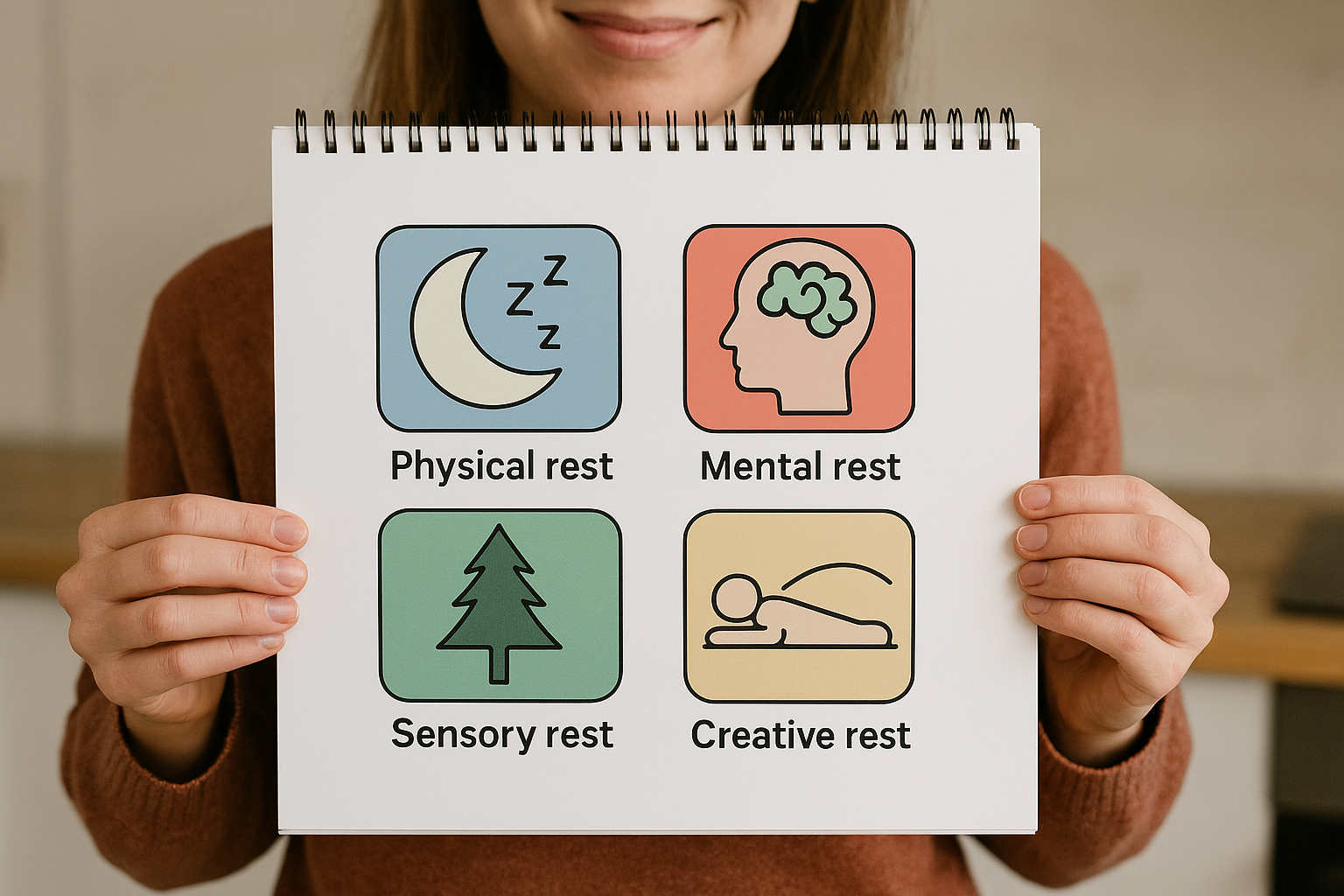
Physical rest (sleep, naps, recovery time)
Physical rest is fundamental for true productivity and overall wellbeing, encompassing essential elements like enough sleep, strategic naps, and dedicated recovery time. Adequate sleep allows the body to repair and rejuvenate, while even short naps can boost alertness and cognitive performance, serving as a powerful productivity hack. Prioritizing these forms of physical rest helps to reduce chronic stress, lower heart rate, and ensure that the body is prepared to perform at its best.
Mental rest (digital breaks, reduced stimulation)
Mental rest is crucial for combating cognitive fatigue and is achieved through practices such as digital breaks and intentionally reduced stimulation. Stepping away from screens, social media, and constant notifications provides the brain with much-needed respite, allowing it to reset and improve clarity.
This form of rest is not merely inactivity but a deliberate choice to provide moments of peace and quiet, enhancing focus and preventing the drain of constant information overload.
Emotional rest (reducing stress and overload)
Emotional rest is about actively reducing stress and avoiding emotional overload, which are significant contributors to burnout. This type of rest involves setting boundaries, delegating tasks, and engaging in activities that genuinely recharge emotional reserves.
Prioritizing emotional wellbeing helps to lower blood pressure, reduce feelings of exhaustion, and foster a more sustainable approach to work. It’s about ensuring that one’s emotional capacity is not constantly depleted, allowing for a more balanced and productive existence.
The Modern Shift: From Hustle to Balance

Why Gen Z and Millennials are changing work culture
Gen Z and Millennials are at the forefront of a significant cultural shift, rejecting the relentless hustle culture in favor of sustainable practices that prioritize wellbeing and true productivity. This generation understands that constantly pushing without adequate rest leads to exhaustion and burnout, not greater success.
They are actively advocating for a work environment where prioritizing rest is seen as a strategic component for maintaining their best self and fostering creativity, rather than a sign of weakness.
Rise of slow productivity and flexible work models
The rise of slow productivity and flexible work models is a direct response to the demand for more balanced and restorative work-life integration. This approach emphasizes deliberate, focused work interspersed with intentional rest periods, recognizing that quality output trumps endless hours.
These models allow for greater autonomy in managing one’s energy, reducing chronic stress and enabling individuals to incorporate rest effectively, ultimately boosting overall wellbeing and fostering a more sustainable career path.
How to Apply Rest-Based Productivity Daily
Work-rest cycles and time blocking
To effectively incorporate rest-based productivity, adopting work-rest cycles and time blocking is essential. This involves structuring your day into focused work sprints followed by dedicated moments of rest.
For example, using methods like the Pomodoro Technique can significantly boost productivity by preventing cognitive fatigue and maintaining high levels of focus. This strategic approach ensures that you prioritize rest, treating it as a non-negotiable part of your workflow rather than an afterthought, which helps reset your mind.
Digital boundaries and intentional breaks
Establishing clear digital boundaries and taking intentional breaks are critical for reducing constant stimulation and preventing mental drain. This means consciously stepping away from screens, social media, and notifications during your rest periods to truly allow your mind to recover.
These moments of rest are not just about stepping back; they are about active relaxation and mindfulness, which helps lower heart rate and reduce blood pressure, ensuring you return to tasks with renewed clarity and a boost in creativity.
Conclusion: Rest Is Not the Opposite of Work—It Is Part of It
Ultimately, the core message is clear: rest is not the opposite of work, but an integral and essential part of it. Embracing this new productivity paradigm, where prioritizing rest is a strategic ritual, allows individuals to avoid burnout, foster creativity, and achieve sustainable high performance. By understanding that taking time to rest is a powerful productivity hack, we can cultivate a culture where wellbeing and true productivity go hand-in-hand, helping everyone to be their best self.