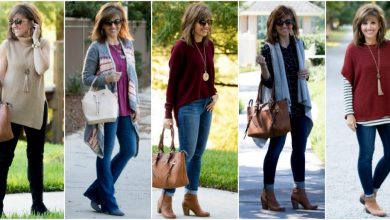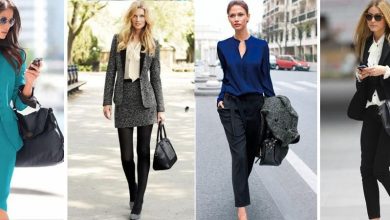
In the fast-evolving world of fashion, the reign of the traditional fashion influencer seems to be facing a significant shift. This article explores whether fashion influencers are losing their grip on trendsetting and examines the factors contributing to a more fragmented and democratized fashion landscape.
Is the Age of Fashion Influencers Coming to an End?
Why This Question Is Trending in 2026 Fashion Culture
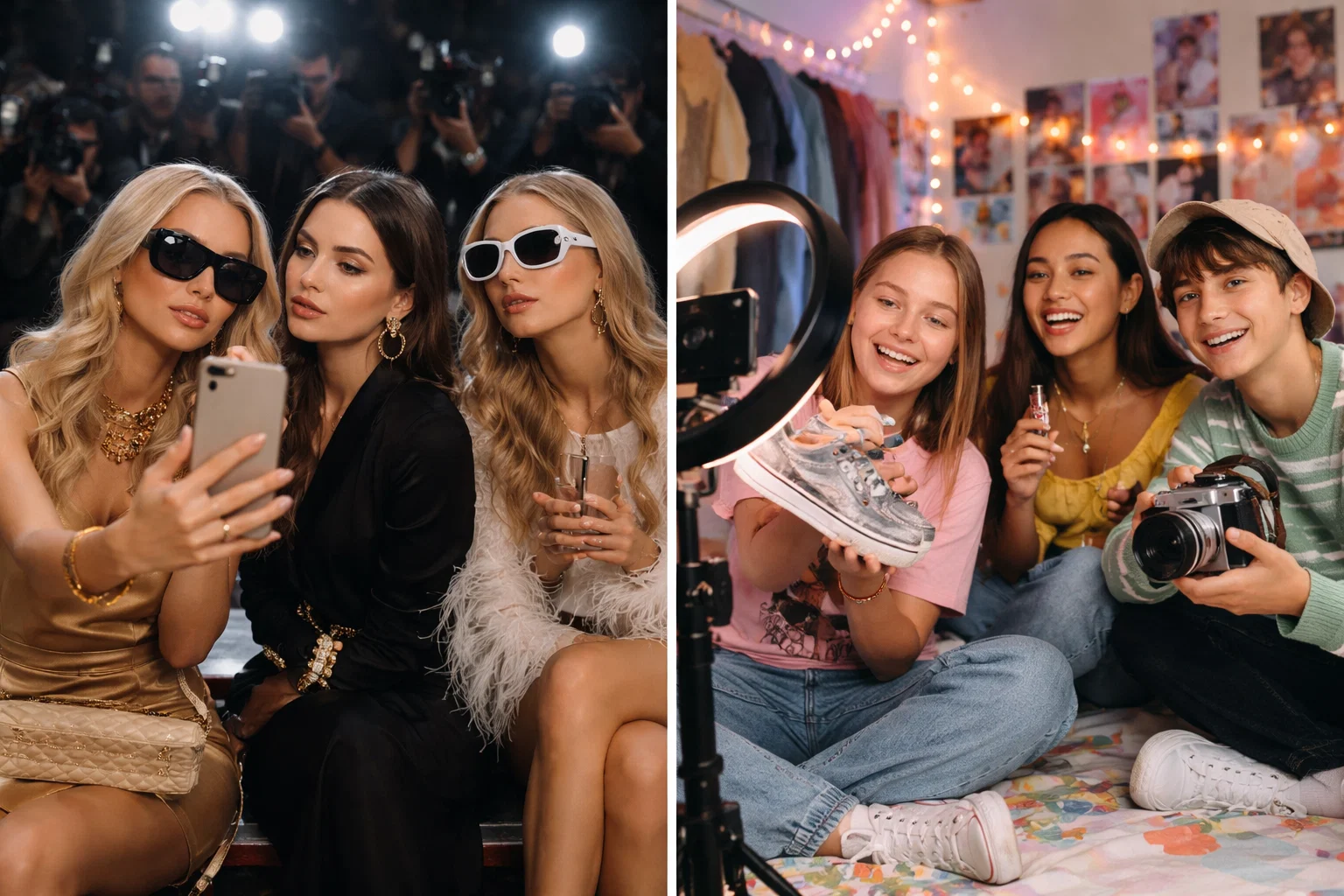
In 2026, discussions about whether influencers are facing a decline are common. This is due to the changing landscape of social media platforms and shifts in consumer behavior. People are questioning the long-term impact of influencer marketing and its overall relevance.
From Influencer Dominance to a Fragmented Fashion Landscape
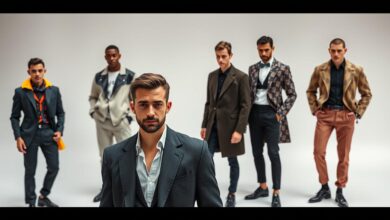
The era of mega-influencers dictating trends is fading. We are seeing a transition to a fragmented landscape where diverse voices and aesthetics gain traction. This creates a more dynamic and unpredictable trend cycle driven by smaller creators and community influence.
The Rise of Fashion Influencers: How They Became Trend Leaders
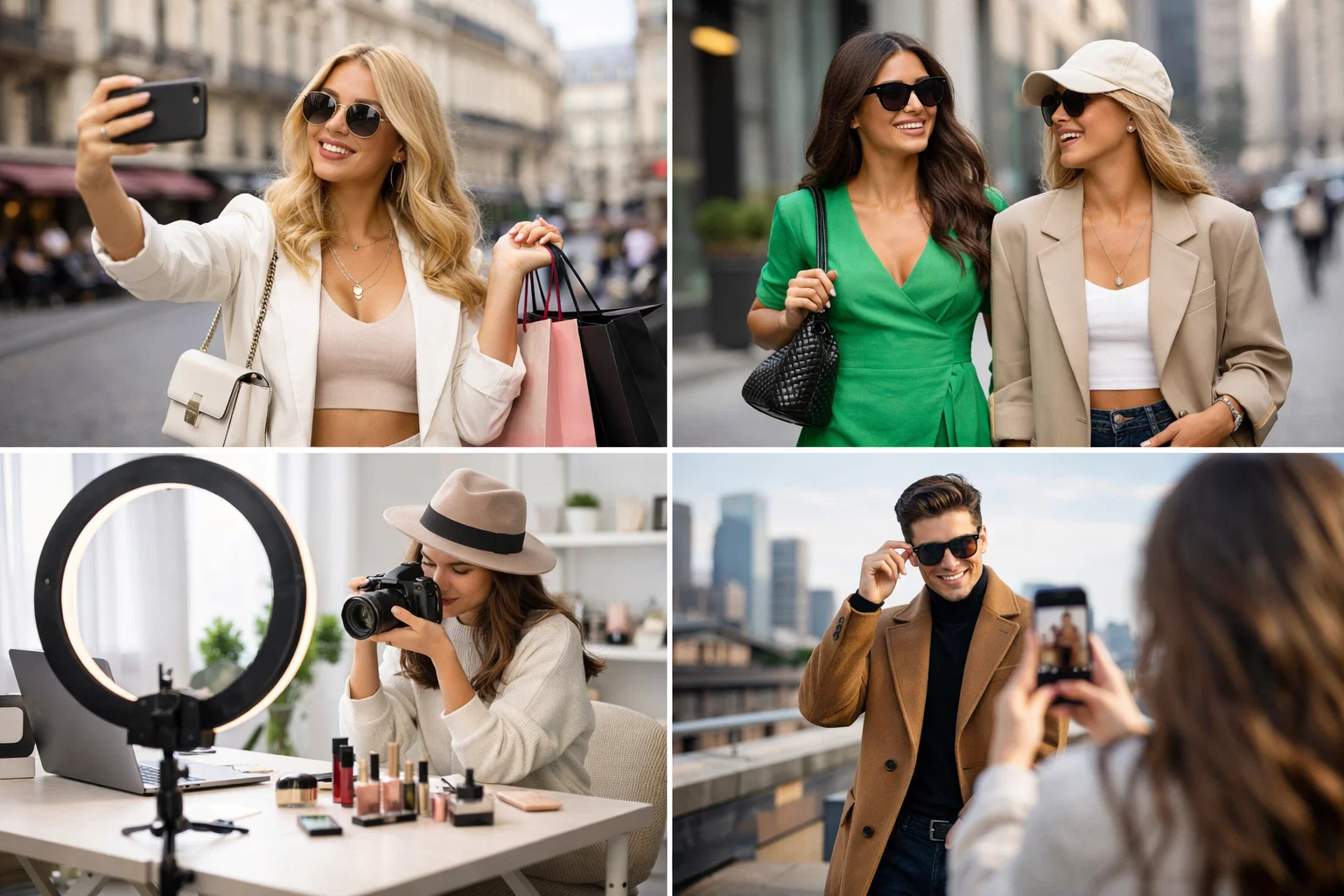
The Early Social Media Era (Instagram’s Golden Age)
The rise of influencers began during Instagram’s golden age. Content creators captured audiences with visually appealing feeds and curated lifestyles. This new form of influence changed the way consumers discovered and engaged with fashion and style trends.
How Influencers Replaced Traditional Fashion Media
Influencers gained prominence by offering a more relatable and accessible perspective. They bypassed traditional fashion media gatekeepers. The shift challenged established publications, allowing direct connection with audiences through authentic and engaging content.
The Power of Lifestyle Branding and Personal Identity
Fashion influencers excel at crafting lifestyle branding around their personal identity. This approach allowed them to create a loyal audience base and become more than just advertisers; they became trusted figures within the fashion community.
Are Fashion Influencers Really Losing Power? The Reality Check
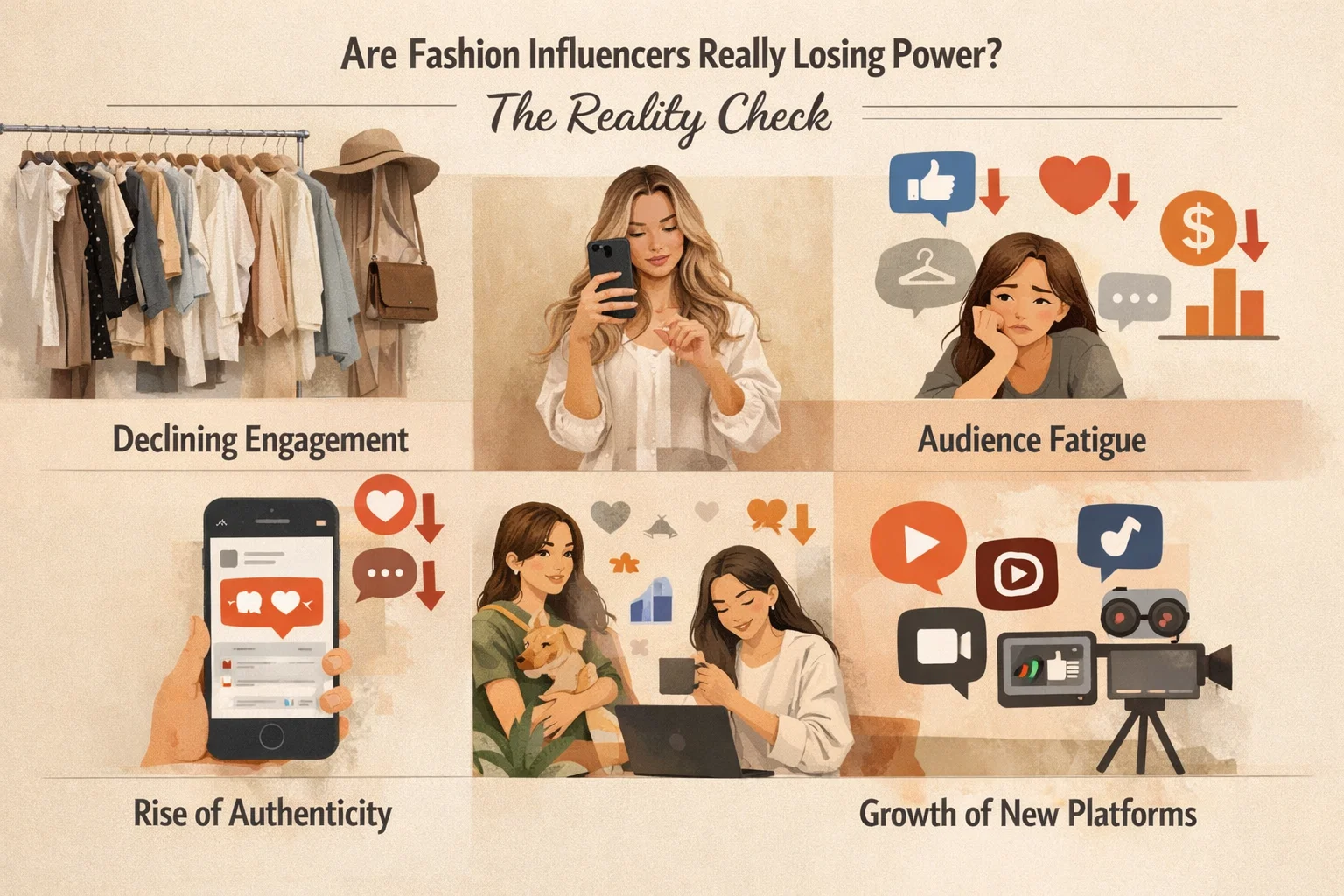
Declining Engagement vs Growing Saturation
There are clear signs that engagement rates are declining across various social media platforms. This is partially because of content saturation. As the volume of sponsored posts increases, the visibility of individual influencers and their impact diminishes.
Audience Trust Issues and Sponsored Content Fatigue
Consumer trust is eroding as audiences become more skeptical of promotional content from influencers. The constant stream of sponsored posts leads to influencer fatigue and pushback against overly commercial influencer culture. De-influencing is increasing among Gen Z.
Why Big Influencers Are No Longer Trend Gatekeepers
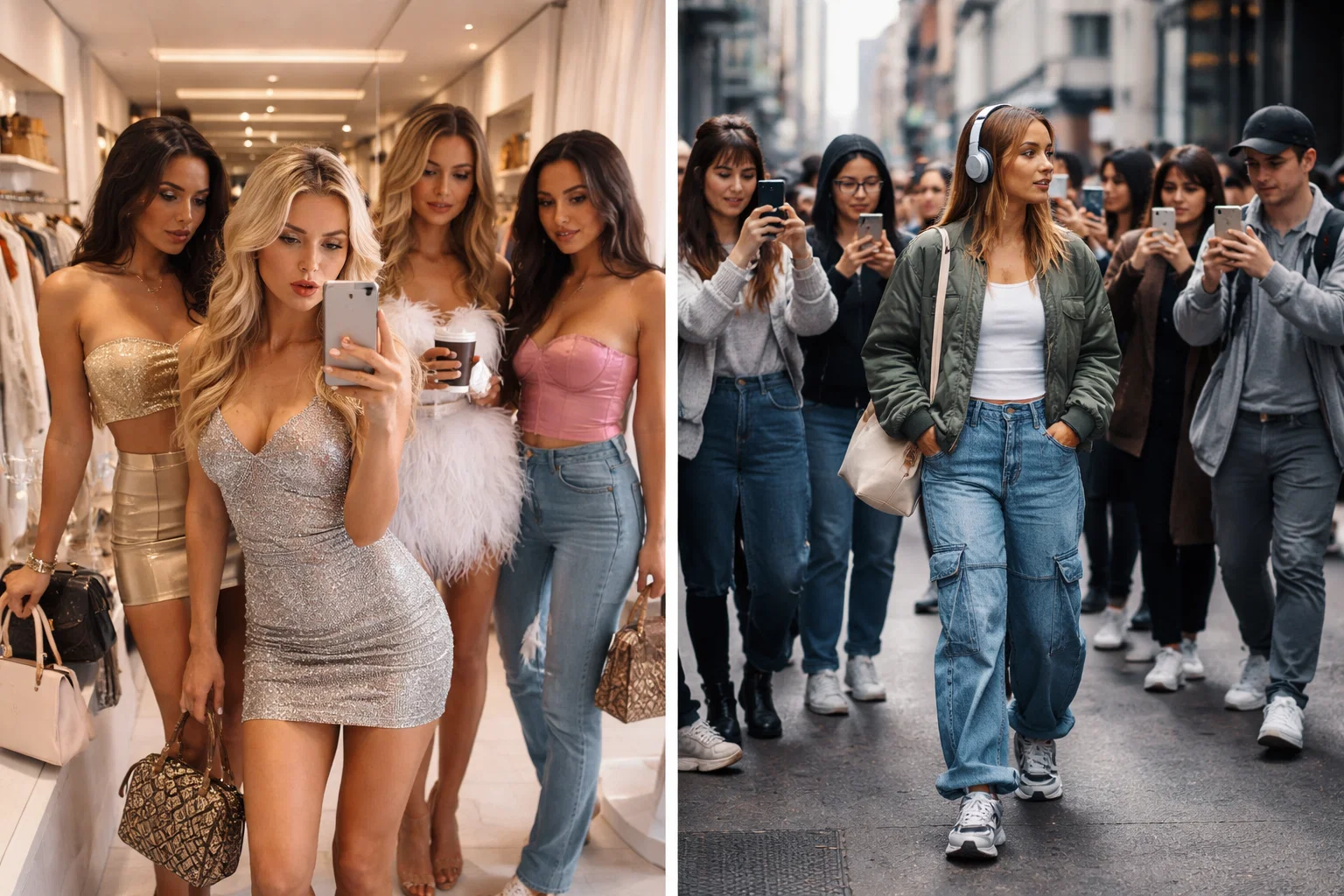
Large influencers are losing their position as exclusive trend gatekeepers. The algorithm now plays a significant role in determining what content is seen. Smaller creators can now boost their visibility through strategic content, bypassing the reach of mega-influencers.
What Is Replacing Influencer-Driven Fashion Trends?
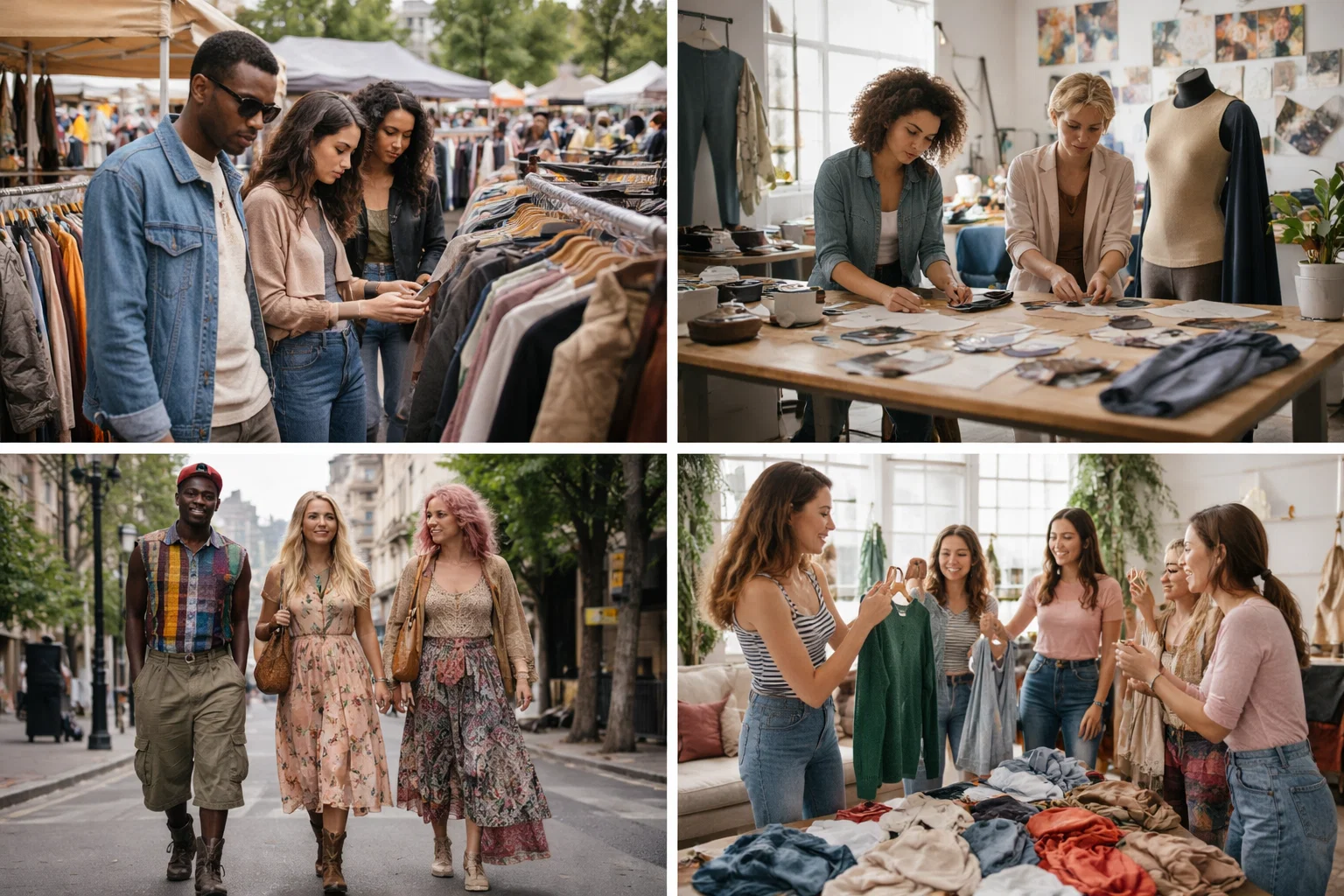
Algorithmic Recommendation Systems
Algorithmic recommendation systems are becoming increasingly influential in shaping fashion trends. Platforms like TikTok and Instagram use algorithms to curate feeds. This can result in viral trends. These trends bypass traditional influence, impacting impulsive purchase behaviours of younger audience.
TikTok and Short-Form Viral Trend Cycles
TikTok has revolutionized trend cycles with its short-form video format. Viral trends emerge rapidly and spread quickly, driven by algorithm and user participation. This accelerates the pace of fashion, moving away from influencer-driven, long-term influence.
Pinterest, Aesthetic Boards, and Visual Discovery Platforms
Pinterest and other visual discovery platforms are enabling users to curate their own aesthetic boards. This is used to personalize trend discovery. Consumers are becoming their own trendsetters. They are less reliant on traditional influencers and more focused on individual style expression.
The Rise of Micro-Influencers and Niche Creators
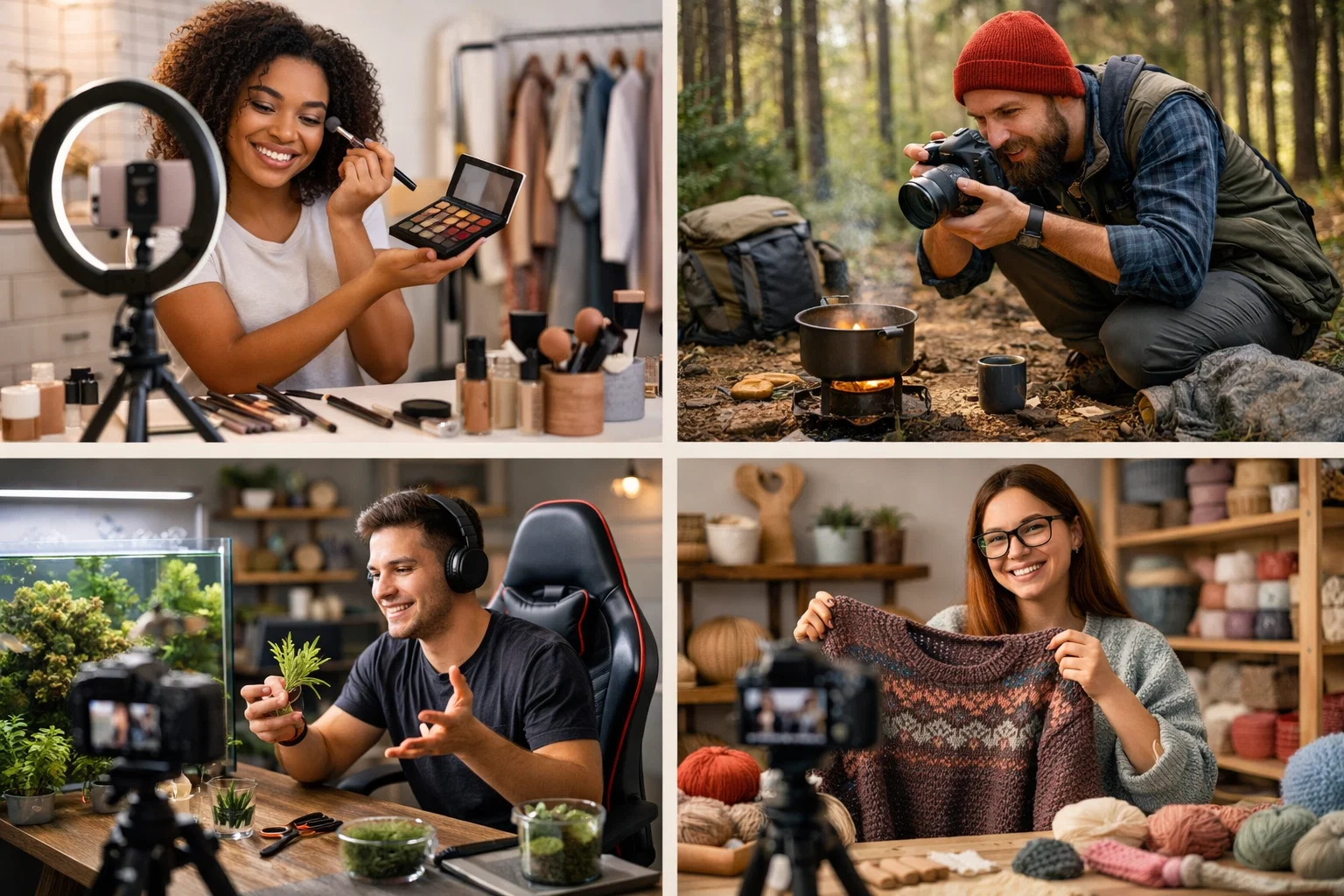
Why Smaller Creators Have Higher Trust and Engagement
Micro-influencers, with their smaller but highly engaged audiences, are gaining traction. Their content is often perceived as more authentic and relatable compared to mega-influencers. This authenticity builds trust, fostering higher engagement rates as their recommendations resonate deeply within their niche communities, making them valuable partners for brands.
The Shift From Celebrity Influence to Community Influence
The shift from celebrity influence to community influence signifies a move toward authenticity and relatability. Consumers are now more inclined to trust recommendations from individuals within their own communities. These smaller content creator build influence organically through shared interests and values, changing the landscape of influencer marketing.
How Micro-Aesthetics Are Shaping Fashion Trends
Micro-aesthetics are shaping fashion trends by offering niche styles that cater to specific audience segments. Unlike broad, overarching trends, these micro-aesthetics allow for greater individual expression. Smaller creators often champion these niche styles, showcasing their influence in shaping consumer preferences and driving unique visual trends.
The New Fashion Ecosystem: Who Really Controls Trends Now?
Platforms vs People: Who Has the Real Power?
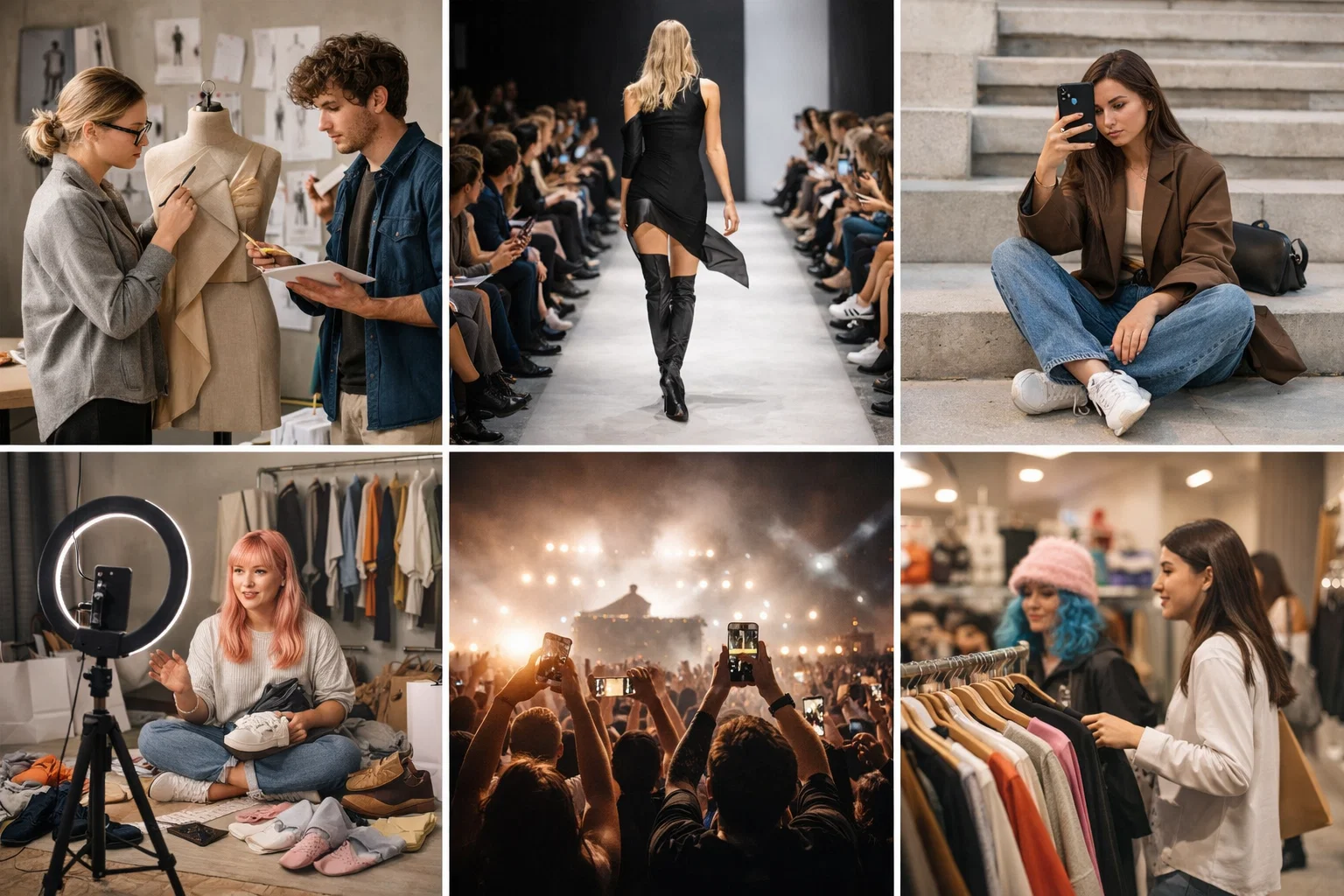
The debate over whether platforms or people hold the real power in controlling trends is complex. While content creators can start trends, platforms like TikTok and Instagram, through their algorithms, amplify or suppress them. This highlights a dynamic where both entities influence trend cycles and impact consumer behavior.
The Role of Algorithms in Trend Amplification
Algorithms play a significant role in trend amplification, determining which content gains visibility and reaches wider audiences. On platforms like TikTok and Instagram, algorithms curate user feeds based on engagement and preferences. This drives viral trends and ultimately shapes consumer choices by influencing what is seen and shared.
How Viral Moments Replace Long-Term Influence
Viral moments can quickly replace long-term influence, disrupting traditional trend cycles. Content that captures attention and spreads rapidly can eclipse established influencers, creating a dynamic environment where new trends emerge unexpectedly. This makes the fashion ecosystem more fluid and unpredictable for brands and creators alike.
The Psychology Behind the Shift in Influence
Why Audiences Trust Authenticity Over Perfection
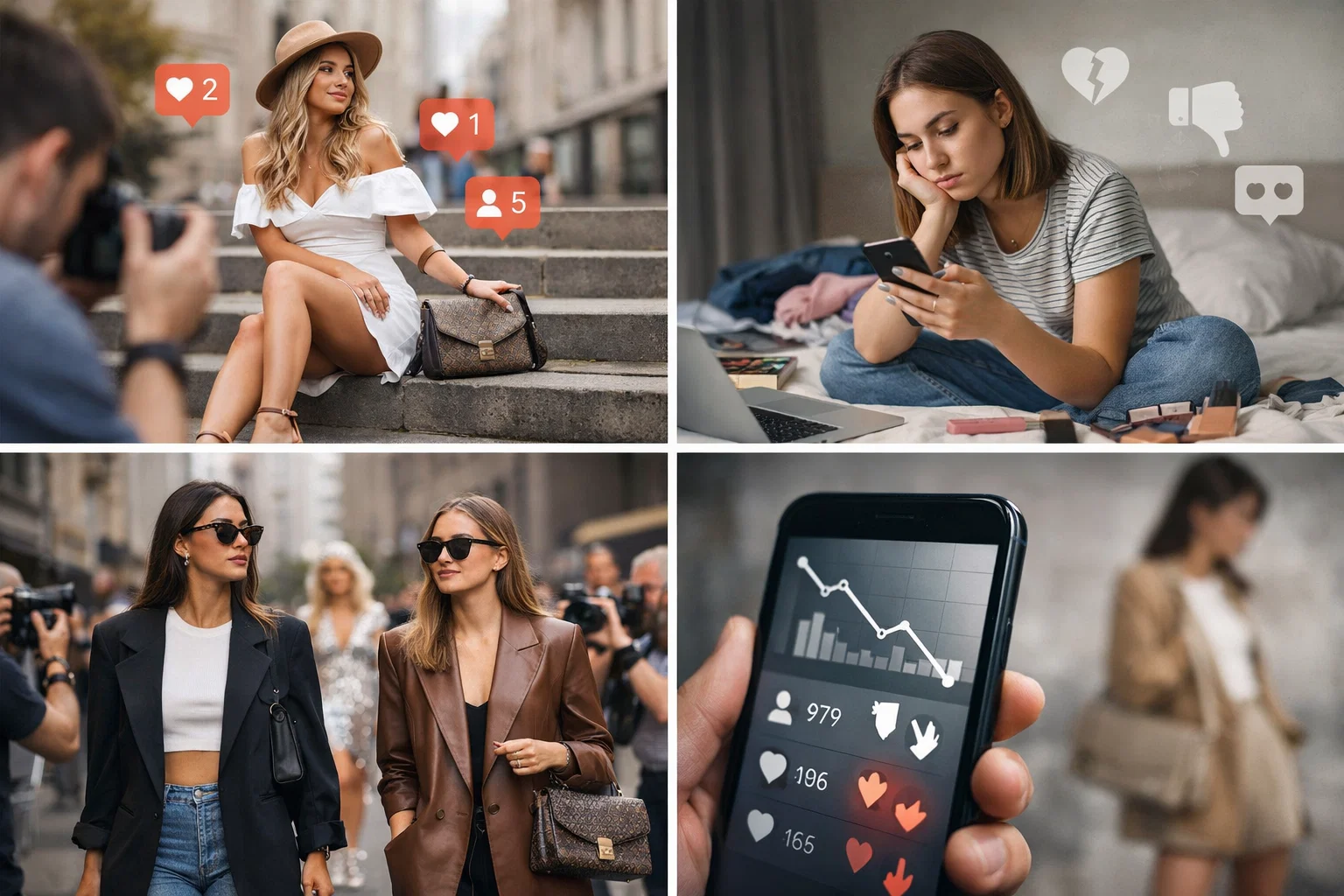
Audiences are increasingly valuing authenticity over perfection in the content they consume. Influencers who present a relatable, unfiltered version of themselves tend to build stronger connections with their audience. This trust fosters loyalty and makes their recommendations more persuasive than polished, overly curated content from influencers.
The Fatigue of Over-Commercialized Influencer Culture
The fatigue of over-commercialized influencer culture is leading consumers to seek more genuine and relatable content. Constant streams of sponsored posts and promotional content from influencers are causing audience disengagement and pushback. Many consumers are now turning to smaller creators and real-time content for authenticity.
The Desire for Relatable and Unfiltered Fashion Content
The desire for relatable and unfiltered fashion content reflects a broader trend toward authenticity. Consumers are seeking content from influencers who share real experiences, flaws, and perspectives. This preference for relatable content is reshaping the influencer marketing landscape and making authenticity a key element for successful influencer partnerships.
The Fragmentation of Fashion Trends
From One Global Trend to Multiple Micro-Aesthetics
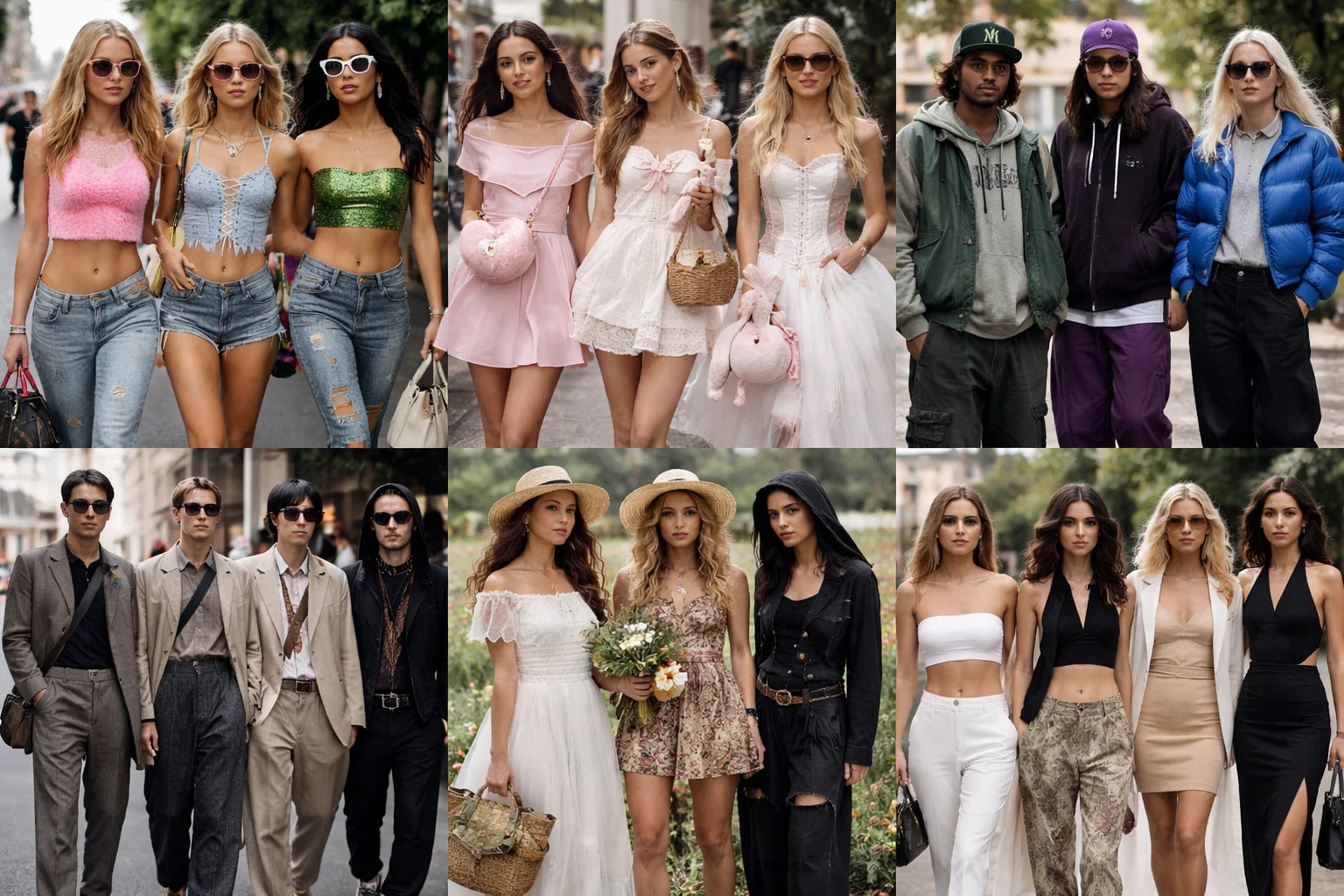
The shift from one global trend to multiple micro-aesthetics marks a significant change in the fashion landscape. Instead of a single dominant style, numerous niche trends cater to diverse tastes and communities. This fragmentation allows for greater individual expression and challenges the traditional top-down approach of influencer-driven fashion.
Examples: Coquette, Clean Girl, Streetwear Revival, Y2K
Examples of micro-aesthetics include Coquette, Clean Girl, Streetwear Revival, and Y2K. Each represents distinct styles that appeal to different audience segments. These trends gain traction through platforms like TikTok and Instagram, highlighting how diverse tastes are shaping the fashion landscape and the influence of smaller content creator.
Why Trends Now Change Faster Than Ever
Trends now change faster than ever due to the rapid spread of information through social media platforms. Algorithms and viral content cycles accelerate trend turnover, making it challenging for brands and content creator to keep up. This constant flux requires a more agile and responsive approach to influencer marketing and consumer engagement.
Brands Are Adapting: New Marketing Strategies
Moving From Influencer Campaigns to Creator Networks
Brands are shifting from traditional influencer campaigns to building creator networks. This involves establishing long-term partnerships with diverse content creator and micro-influencers. This strategy allows brands to tap into various niches and foster more authentic engagement, moving away from transactional sponsor relationships and embracing a collaborative approach to influencer marketing.
Data-Driven Fashion Marketing and AI Targeting
Data-driven fashion marketing and AI targeting are transforming how brands connect with their audience. AI algorithms analyze consumer data to identify trends and target advertisements effectively. This enables brands to personalize their influencer campaigns, ensuring that promotional content reaches the right people on platforms like TikTok and Instagram, optimizing influencer marketing budgets for maximum impact.
User-Generated Content as the New Trend Engine
User-generated content is emerging as the new trend engine, empowering consumers to become active participants in shaping fashion trends. Brands are increasingly encouraging consumers to share their style and experiences. This authentic content resonates deeply with audiences, fostering greater brand loyalty and engagement beyond what traditional influencer campaigns can achieve on platforms like Instagram and TikTok.
Are Influencers Completely Losing Power? (Balanced Truth)
Where Influencers Still Dominate (Luxury, Beauty, Launches)
Influencers still dominate in certain spheres, particularly in luxury, beauty, and product launches. High-end brands often collaborate with influencers to create aspirational content and reach affluent audiences. Similarly, beauty influencers drive product discovery and sales through tutorials, sponsored posts, and haul videos, demonstrating the ongoing relevance of influencers in these specific domains.
Why They Still Matter in Brand Storytelling
Influencers still matter in brand storytelling because they can create relatable narratives that resonate with their audience. They provide a human face to the brand and build trust through authentic content. Their ability to connect with audiences on a personal level makes them valuable partners for brands looking to craft engaging brand stories and promote brand loyalty.
The Evolution, Not the Death, of Influencer Culture
It’s more accurate to view the current shift as an evolution rather than the death of influencer culture. Influencers are adapting to changing consumer preferences and platforms. They are embracing authenticity, collaborating with smaller content creator, and focusing on niche audiences to maintain relevance. This evolution ensures that influencers will continue to play a role in shaping consumer choices.
The Future of Fashion Influence
AI-Generated Fashion Trends and Digital Stylists
AI-generated fashion trends and digital stylists are on the horizon. Artificial intelligence can analyze data to predict upcoming trends and create personalized style recommendations for consumers. This innovation may reshape the role of human influencers, with AI potentially becoming a key source of fashion guidance, influencing how people discover and embrace new styles on platforms like TikTok and Instagram.
Virtual Influencers and Digital Fashion Identities
Virtual influencers and digital fashion identities are emerging as a novel form of influence. These computer-generated personalities can promote brands and trends without the limitations of human influencers. As technology advances, virtual influencers may become more prevalent. They offer brands complete control over content creation and alignment with brand values, appealing especially to younger audiences.
The Shift Toward Decentralized Trend Creation
The shift toward decentralized trend creation involves empowering consumers and smaller content creator to drive fashion trends from the bottom up. Social media platforms facilitate this decentralization, allowing diverse voices to shape the fashion landscape. This democratized approach fosters greater authenticity and inclusivity, challenging the traditional top-down influence of mega-influencers and established brands.
Final Verdict: Who Really Controls Fashion Trends Today?
Ultimately, control over fashion trends is now shared between platforms, algorithms, content creator, and consumers. While influencers still hold sway in certain domains, the rise of AI, user-generated content, and decentralized trend creation is on platforms like TikTok and Instagram. It has reshaped the landscape, making it more dynamic and democratized than ever before. Brands and influencers must adapt to this evolving ecosystem to remain relevant and impactful.