
Welcome! This article dives deep into practical strategies to boost your insulin sensitivity and transform your metabolic health. We’ll explore daily habits, exercise techniques, and nutrition tips to help you manage insulin resistance and achieve stable blood sugar levels. Let’s embark on this journey towards better health!
Why Insulin Sensitivity Is the Key to Metabolic Health

What insulin sensitivity means in simple terms
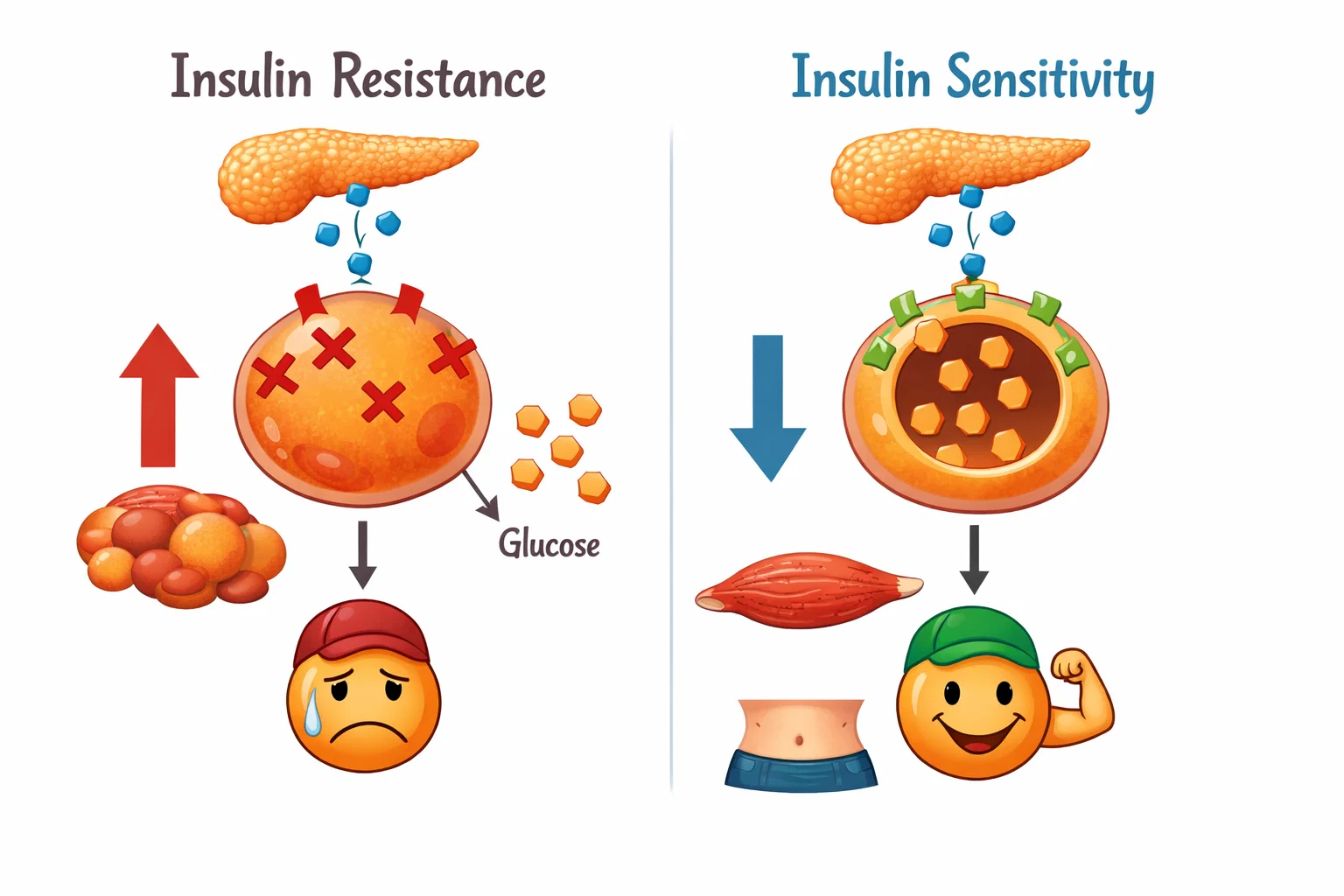
Insulin sensitivity refers to how well your body’s cells respond to insulin, a hormone produced by the pancreas. When you’re sensitive to insulin, your cells effectively use insulin to take up glucose from the blood, maintaining healthy blood sugar levels. Understanding insulin is very important.
Why poor insulin sensitivity leads to weight gain, fatigue, and cravings
Poor insulin sensitivity, or insulin resistance, forces your pancreas to work harder to produce enough insulin to manage blood glucose levels. This can lead to high blood sugar, weight gain, fatigue, and intense cravings, especially for sugary or processed foods.
Who should focus on improving it (PCOS, prediabetes, belly fat, low energy)
Individuals with PCOS, prediabetes, or those carrying excess belly fat should focus on improving their insulin sensitivity. Low energy levels and frequent energy crashes can also indicate that you might benefit from strategies to improve your insulin function and overall health.
Understanding Insulin Resistance vs. Insulin Sensitivity
How insulin works in the body
Insulin acts like a key, unlocking cells to allow glucose from the blood to enter and be used for energy. When you eat foods, your blood glucose levels rise, signaling the pancreas to release insulin, which then helps move glucose into cells. Understanding the impact of foods is vital.
Signs your insulin sensitivity may be declining
Here are some signs that your insulin sensitivity might be declining. These signs can indicate that your body isn’t responding to insulin as efficiently as it should:
- Elevated blood sugar levels.
- Increased thirst and urination.
- Unexplained weight gain.
- Fatigue and brain fog.
- Darkening of the skin in certain areas.
Common myths about insulin and weight gain
A common myth is that insulin itself causes weight gain. While it plays a role, the issue is often related to insulin resistance and chronically high insulin levels due to poor diet and lifestyle, making it difficult for the body to effectively utilize glucose.
The Science Behind Improving Insulin Sensitivity Naturally

How muscle, fat, and glucose metabolism interact
Muscle tissue is a major site for glucose uptake, so building muscle can improve insulin sensitivity. Fat tissue, especially visceral fat, can promote insulin resistance, and the interplay between these tissues affects overall glucose metabolism and insulin function.
Why lifestyle changes outperform quick fixes
Lifestyle changes, such as diet and exercise, address the root causes of insulin resistance, leading to sustainable improvements in blood sugar levels. Quick fixes like supplements may offer temporary benefits but don’t create the same lasting metabolic adaptations.
What research says about diet, exercise, and glucose control
Research consistently shows that a diet rich in fiber and low in processed foods, combined with regular exercise, significantly improves insulin sensitivity and glucose control. These lifestyle interventions are often recommended as first-line treatment for insulin resistance.
Top Daily Habits to Boost Insulin Sensitivity Fast

Eating protein-rich meals to stabilize blood sugar
Eating protein-rich meals helps stabilize blood sugar by slowing down the absorption of glucose. Protein also promotes satiety, preventing overeating and reducing the likelihood of blood sugar spikes, which can contribute to insulin resistance.
Choosing low-glycemic, fiber-rich carbohydrates
Opting for low-glycemic, fiber-rich carbohydrates like vegetables, whole grains, and legumes can prevent rapid spikes in blood sugar and insulin levels. Fiber slows down glucose absorption, helping to maintain more stable blood glucose levels throughout the day.
The power of healthy fats for hormone balance
Healthy fats, such as those found in avocados, nuts, seeds, and olive oil, play a crucial role in hormone balance and can improve insulin sensitivity. These fats support cell membrane function, which is essential for insulin signaling and glucose uptake.
Why meal timing matters (and how to space meals correctly)
Strategic meal timing, such as spacing meals 3-4 hours apart, can help regulate insulin levels and prevent constant insulin secretion. This allows your body to become more sensitive to insulin and efficiently manage blood glucose levels.
The Best Exercises to Improve Insulin Sensitivity Quickly

Strength training for glucose uptake and muscle building
Strength training is essential for improving insulin sensitivity because it increases muscle mass, a key site for glucose uptake. When you engage in strength training, your muscles become more sensitive to insulin, allowing them to efficiently utilize blood sugar and improve overall insulin resistance. This is a great way to improve your insulin sensitivity.
Walking after meals (the most underrated habit)
Walking after meals is an underrated habit with significant benefits for managing blood sugar levels. A short walk helps muscles use glucose, preventing high blood sugar spikes and reducing the demand on the pancreas. This simple practice can markedly improve insulin sensitivity and combat insulin resistance.
HIIT workouts for metabolic acceleration
High-intensity interval training (HIIT) workouts are effective for metabolic acceleration, leading to improved insulin sensitivity. HIIT workouts challenge your body and improve its ability to manage glucose levels, enhancing how sensitive to insulin you become and combatting insulin resistance.
How often to exercise for best results
For optimal results, aim for a combination of strength training and cardiovascular exercise. Ideally, incorporate strength training 2-3 times per week and engage in moderate-intensity cardio, such as walking, most days of the week; this improves insulin resistance and helps to improve insulin sensitivity.
Nutrition Strategy for Stable Blood Sugar

Foods that improve insulin sensitivity
Here are some foods that can significantly improve insulin sensitivity. Consider adding these to your diet:
- Non-starchy vegetables
- Lean proteins
- Healthy fats
- High-fiber options like legumes and whole grains
Incorporating these foods into your diet will improve your insulin sensitivity and manage insulin resistance.
Foods that worsen insulin resistance
Foods known to exacerbate insulin resistance often share certain characteristics. Key culprits to watch out for include:
- Highly processed foods
- Sugary drinks
- Refined carbohydrates
- Excessive amounts of saturated and trans fats
Avoiding these items helps prevent high blood sugar levels and supports better insulin sensitivity.
Sample insulin-friendly plate formula (protein + fiber + fat balance)
A balanced insulin-friendly plate should include a source of lean protein (like chicken or fish), plenty of non-starchy vegetables (for fiber), and a serving of healthy fats (such as avocado or olive oil). This combination helps regulate blood sugar and improves insulin sensitivity.
Hydration and its role in glucose metabolism
Proper hydration is crucial for efficient glucose metabolism. Water helps transport glucose to cells and supports the overall function of insulin. Dehydration can lead to increased blood sugar levels and decreased insulin sensitivity, worsening insulin resistance.
Lifestyle Habits That Transform Metabolism

Sleep quality and its effect on insulin function
Poor sleep quality negatively affects insulin function. Lack of sleep can lead to increased insulin resistance, higher blood sugar levels, and a greater risk of developing type 2 diabetes. Prioritizing sleep is essential for maintaining good insulin sensitivity.
Stress management and cortisol-insulin connection
Stress and elevated cortisol levels can significantly impact insulin sensitivity. Chronic stress leads to higher blood sugar levels, which can cause insulin resistance. Stress management techniques like meditation and yoga can help improve insulin sensitivity.
The role of circadian rhythm and meal timing
Your circadian rhythm plays a vital role in regulating insulin sensitivity. Aligning your meal timing with your body’s natural rhythms can improve insulin function. Eating meals at consistent times each day supports better blood sugar control and reduce insulin resistance.
Reducing snacking frequency for hormonal balance
Reducing snacking frequency can improve hormonal balance and insulin sensitivity. Constant snacking keeps insulin levels elevated, which can lead to insulin resistance. Allowing your body periods without food helps improve insulin function.
Advanced Science-Backed Hacks for Faster Results

Apple cider vinegar before meals: does it work?
Some studies suggest that consuming apple cider vinegar before meals can improve insulin sensitivity and lower blood sugar levels. The acetic acid in apple cider vinegar may enhance insulin’s action on glucose uptake, helping to combat insulin resistance. It can also improve your insulin sensitivity.
Cold exposure and metabolic activation
Cold exposure, such as cold showers or ice baths, can activate brown fat, which helps improve glucose metabolism and insulin sensitivity. This metabolic activation can lead to better blood sugar control and a reduced risk of insulin resistance, improving your insulin.
Fasted walking and metabolic flexibility
Fasted walking, or walking on an empty stomach, can improve metabolic flexibility and insulin sensitivity. During fasted exercise, your body relies more on fat for fuel, which can enhance insulin function and reduce insulin resistance and will also improve your insulin sensitivity.
Intermittent fasting: benefits and precautions
Intermittent fasting involves cycling between periods of eating and fasting, which can improve insulin sensitivity. It can also help manage insulin resistance. However, it’s important to start slowly and consult with a healthcare provider, especially for those with pre-existing conditions.
7-Day Insulin Sensitivity Reset Plan (Actionable Routine)
Day-by-day eating structure
Embark on a 7-day reset with a structured eating plan designed to stabilize blood sugar levels and improve insulin sensitivity. Each day focuses on meals composed of lean protein, fiber-rich carbohydrates, and healthy fats to increase insulin sensitivity and reduce insulin resistance.
Exercise schedule for beginners
Follow a beginner-friendly exercise schedule that combines strength training, cardiovascular activity, and flexibility exercises. Incorporating these activities helps to increase insulin sensitivity, improve your insulin and promote glucose uptake by muscles, managing insulin resistance.
Sleep and recovery plan
Prioritize sleep and recovery to support optimal insulin function. Aim for 7-9 hours of quality sleep each night and incorporate relaxation techniques to manage stress, improving insulin sensitivity and your insulin. This helps to manage blood sugar levels.
Expected results in energy, cravings, and weight changes
Expect to experience increased energy levels, reduced cravings, and potential weight changes as your insulin sensitivity improves. Consistent adherence to the reset plan can improve insulin and help in managing blood sugar levels and help with insulin resistance.
Common Mistakes That Slow Down Progress
Eating “healthy” but still spiking insulin
Even when eating seemingly healthy foods, certain choices can still spike blood sugar levels and hinder insulin sensitivity. Be mindful of portion sizes and the glycemic index of foods to avoid increased insulin and resistant to insulin.
Overtraining or under-eating
Overtraining without adequate nutrition can disrupt hormonal balance and impair insulin sensitivity. Ensuring a balanced approach with sufficient calories and nutrients is crucial for optimizing results and manage insulin resistance.
Ignoring sleep and stress factors
Neglecting sleep and stress management can sabotage efforts to improve insulin sensitivity. Prioritize these factors to support overall hormonal balance and enhance the body’s response to insulin for people with insulin resistance and to improve insulin production.
Relying on supplements instead of lifestyle changes
Supplements can be supportive, but they shouldn’t replace fundamental lifestyle changes. Focus on building healthy habits through diet and exercise to address the root causes of insulin resistance and truly improve your insulin sensitivity.
Who Should Be Extra Careful (Important Health Note)
PCOS and insulin resistance connection
PCOS is often linked to insulin resistance, exacerbating hormonal imbalances and metabolic dysfunction. Managing insulin sensitivity is particularly important for women with PCOS to mitigate symptoms and reduce long-term health risks and to improve insulin.
Prediabetes and metabolic syndrome risk
Prediabetes and metabolic syndrome indicate impaired glucose metabolism and an increased risk of developing type 2 diabetes. Addressing insulin resistance through lifestyle interventions is crucial to prevent disease progression; this improves insulin sensitivity.
When to consult a healthcare professional
If you have concerns about your blood sugar levels, insulin sensitivity, or any underlying health conditions, consult a healthcare professional. They can provide personalized guidance and assess the need for medical interventions to manage insulin resistance.
Conclusion: Small Daily Habits, Big Metabolic Transformation
By adopting small daily habits focused on nutrition, exercise, and lifestyle management, you can significantly improve insulin sensitivity and transform your metabolic health. Consistency is key to achieving sustainable results and preventing long-term health complications related to insulin resistance.