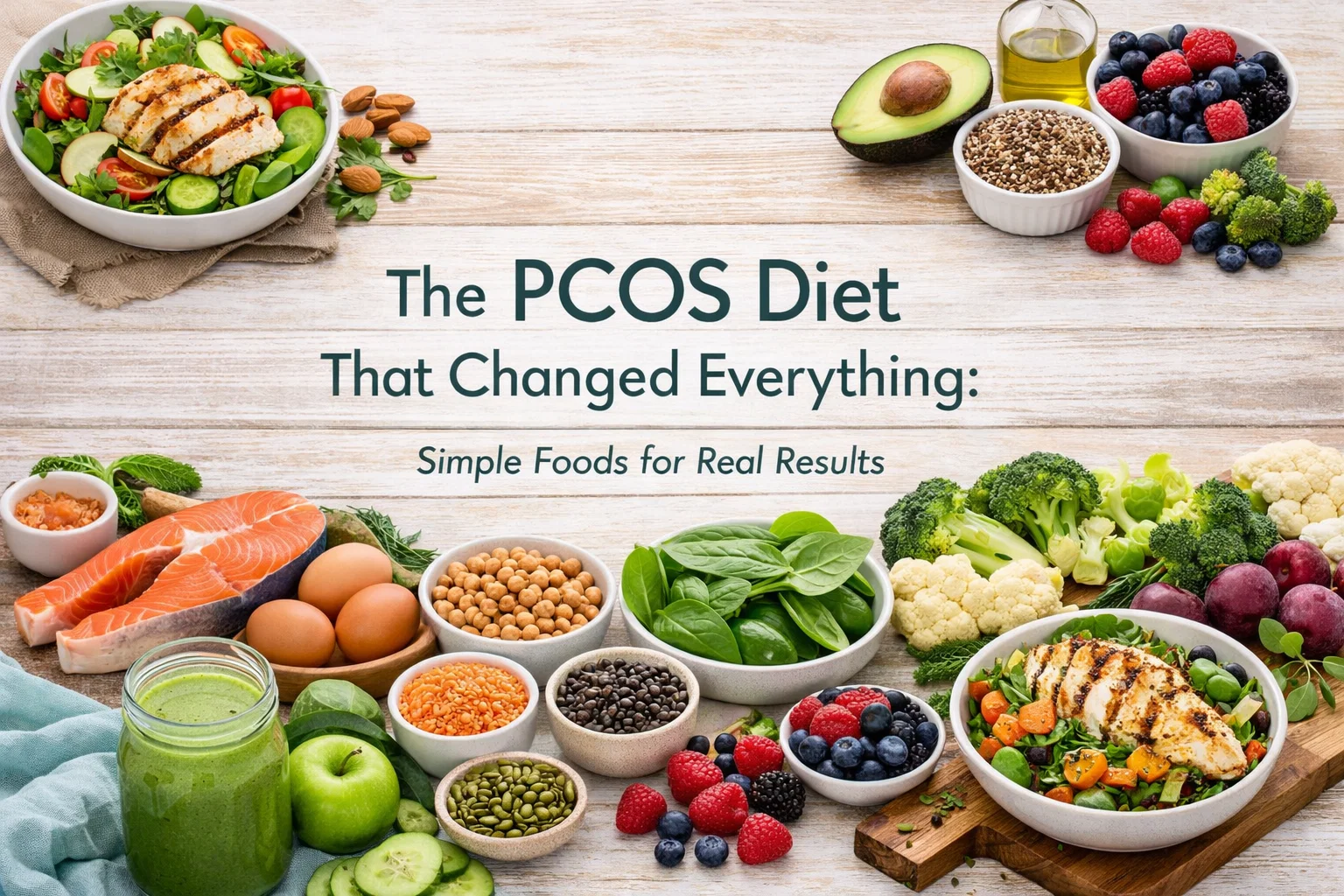
Discover how the right dietary approach can revolutionize your hormone health and alleviate PCOS symptoms. This guide offers a sustainable path to wellness, focusing on simple food choices and real results for women with PCOS.
Why the Right PCOS Diet Can Transform Hormone Health Naturally
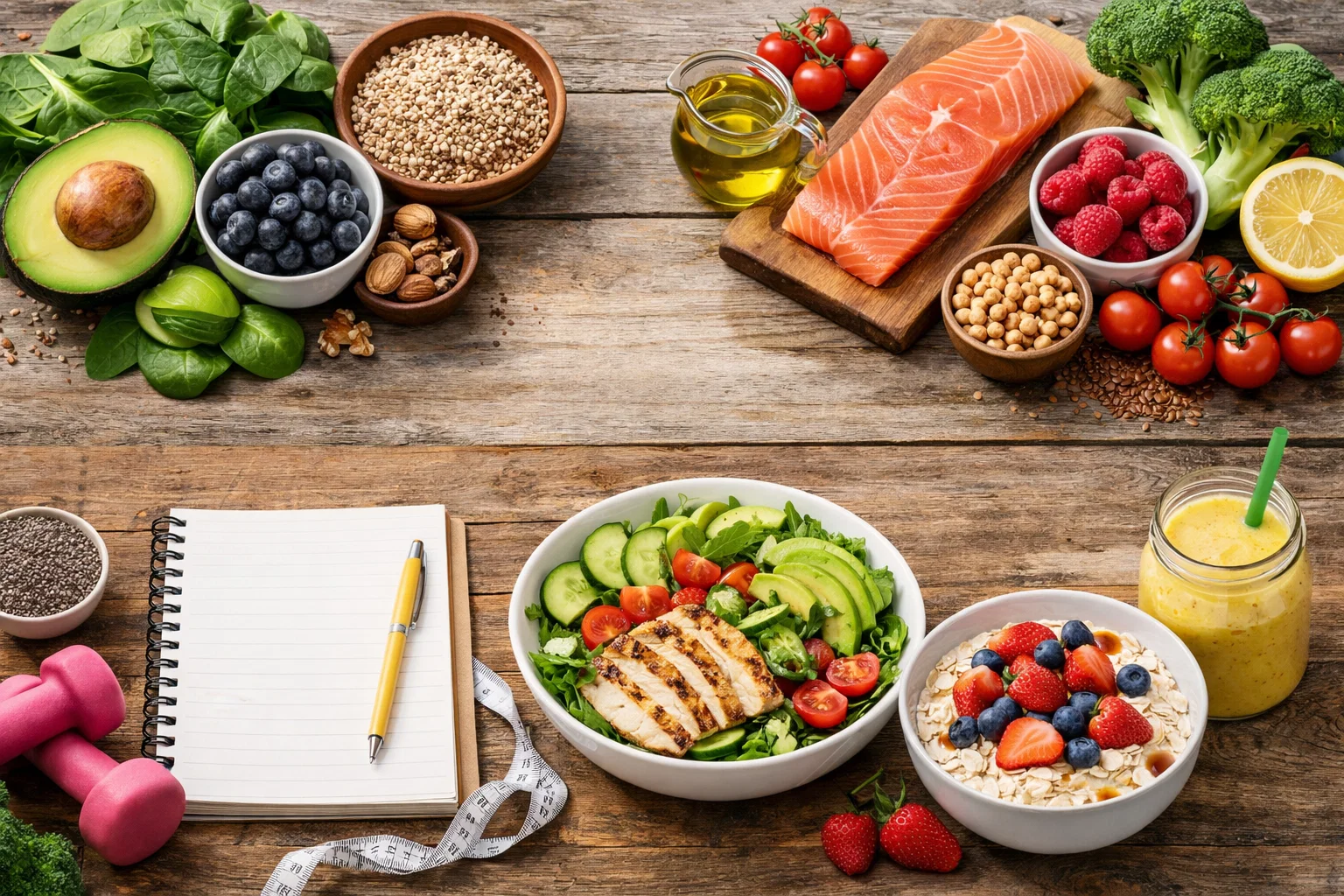
Many women with PCOS struggle to find lasting relief from their symptoms. The key often lies in adopting the right PCOS diet that naturally supports hormonal balance and addresses underlying issues like insulin resistance and inflammation. A well-structured diet for PCOS goes beyond temporary fixes, offering a foundation for long-term health and well-being.
Understanding PCOS beyond symptoms: insulin resistance, hormones, and inflammation
Polycystic ovary syndrome (PCOS) is more than just its visible symptoms; it’s a complex hormonal and metabolic disorder. Insulin resistance, elevated androgens, and chronic inflammation are key drivers that need to be addressed through dietary and lifestyle interventions.
Why most diets fail for PCOS (and what actually works long-term)
Many conventional diets fail people with PCOS because they don’t target the root causes of the syndrome. A successful diet for PCOS focuses on stabilizing blood sugar, reducing inflammation, and supporting hormonal balance. This approach provides long-term results.
The Science Behind PCOS and Nutrition: What Your Body Really Needs
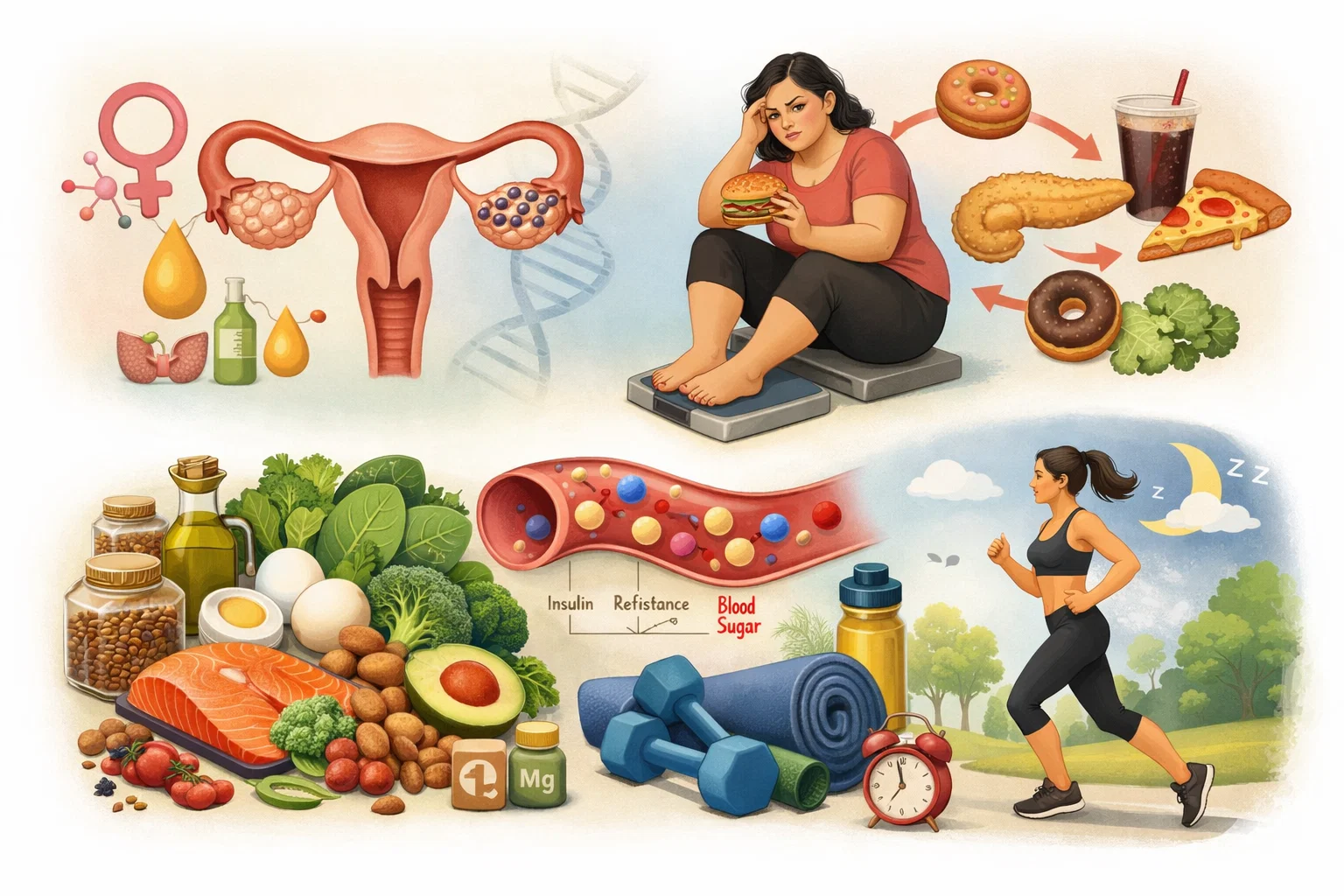
Understanding the science behind how food impacts PCOS is crucial for making informed dietary choices. The right diet for PCOS can help manage insulin resistance, balance hormones, and reduce inflammation, leading to significant improvements in overall health and fertility. A balanced diet plays a key role in managing PCOS symptoms.
How insulin resistance drives PCOS symptoms
Insulin resistance is a central issue in PCOS, causing elevated insulin levels that contribute to androgen excess, ovarian dysfunction, and weight gain. Addressing insulin resistance through a PCOS diet is essential for managing PCOS symptoms and promoting overall health.
The role of androgens, cortisol, and estrogen imbalance
Hormonal imbalances, including high androgens, elevated cortisol, and estrogen imbalance, are common in women with polycystic ovary syndrome. A well-designed PCOS diet can help regulate these hormones, alleviate PCOS symptoms, and improve overall hormonal health.
Why anti-inflammatory, low-glycemic eating is essential
An anti-inflammatory diet, combined with low-glycemic food choices, is essential for managing PCOS. This approach helps reduce inflammation, stabilize blood sugar, and support hormone balance, leading to better management of PCOS symptoms and improved well-being for women with PCOS.
Core Principle #1: Balance Blood Sugar to Control PCOS Symptoms
Balancing blood sugar is a cornerstone of managing PCOS. Stabilizing blood sugar levels helps improve insulin sensitivity, reduce androgen production, and alleviate many common PCOS symptoms. By focusing on blood sugar control, you can take significant steps toward managing PCOS naturally through your diet.

How blood sugar spikes worsen hormonal imbalance
Blood sugar spikes can worsen hormonal imbalance in women with PCOS. Fluctuations in glucose levels lead to increased insulin resistance and androgen production, exacerbating PCOS symptoms. A consistent dietary approach is key to avoiding these spikes and promoting stable hormone levels.
Best low-glycemic foods for stable energy and mood
Choosing low-glycemic foods is crucial for maintaining stable energy and mood. These foods release glucose slowly, preventing blood sugar spikes and crashes. Incorporating these foods into your diet is essential for managing PCOS symptoms and improving overall well-being.
Simple meal timing strategies for insulin control
Implementing simple meal timing strategies can significantly improve insulin control in women with PCOS. Regular, balanced meals and snacks help stabilize blood sugar levels and reduce insulin resistance. Strategic meal timing can be a powerful tool in managing PCOS symptoms.
Core Principle #2: Prioritize Protein in Every Meal
Prioritizing protein intake at every meal is crucial for women with PCOS. Protein helps improve satiety, reduce cravings, and stabilize blood sugar levels, supporting overall hormone balance. By making protein a focal point of each meal, you can effectively manage PCOS symptoms and promote better health.

How protein improves satiety and reduces cravings
Protein plays a vital role in improving satiety and reducing cravings, making it an essential component of a PCOS diet. Protein-rich meals help you feel fuller for longer, reducing the likelihood of overeating and unhealthy snacking, which supports better blood sugar control and weight management.
Best PCOS-friendly protein sources (animal & plant-based)
Including a variety of PCOS-friendly protein sources, both animal and plant-based, is essential for a balanced diet. Lean meats, fish, eggs, legumes, nuts, and seeds provide crucial amino acids while supporting satiety and hormone balance. Choosing diverse protein sources ensures a well-rounded and effective PCOS diet.
Protein distribution throughout the day for hormone balance
Evenly distributing protein intake throughout the day can significantly enhance hormone balance for women with PCOS. Consistent protein consumption helps stabilize blood sugar levels, reduce insulin resistance, and support the production of hormones essential for reproductive health. Strategic protein distribution is a key factor in managing PCOS symptoms effectively.
Core Principle #3: Healthy Fats for Hormone Support
Healthy fats play a crucial role in hormone support for women with polycystic ovary syndrome. These fats are essential building blocks for hormone production, helping to balance estrogen and progesterone levels. Incorporating the right kinds of fat into your diet can significantly impact your hormonal health and manage PCOS symptoms.
How fats support estrogen and progesterone production
Fats are vital for the synthesis of hormones like estrogen and progesterone, both of which are frequently imbalanced in women with PCOS. Including healthy fats in your diet provides the necessary components for hormone production, supporting better hormonal balance and improving fertility.
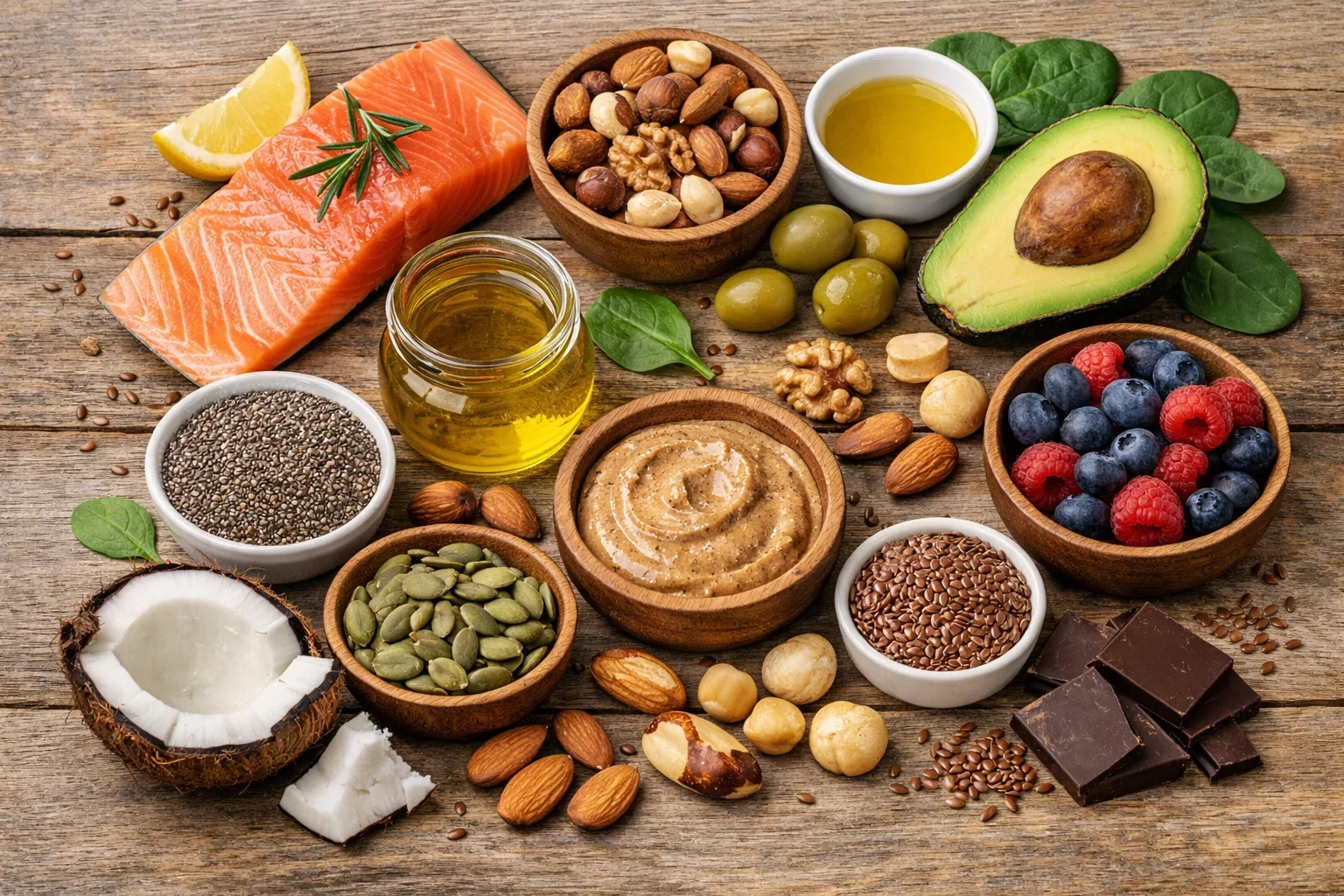
Best sources of healthy fats (avocado, olive oil, nuts, seeds)
Here are some excellent sources of healthy fats that you can incorporate into your diet. These options provide essential fatty acids that support hormone production and reduce inflammation:
- Avocados
- Olive oil
- Nuts and seeds
Incorporating these fats into your PCOS diet can help manage PCOS symptoms and improve overall health.
Fats to avoid that worsen inflammation
Certain fats can worsen inflammation and exacerbate PCOS symptoms. Trans fats and excessive saturated fats, often found in processed foods, should be avoided. Limiting these fats in your diet is crucial for managing inflammation and supporting hormonal balance in women with polycystic ovary syndrome.
Core Principle #4: Eat Anti-Inflammatory Foods Daily
Consuming anti-inflammatory foods daily is crucial for managing PCOS symptoms. Chronic inflammation exacerbates hormonal imbalances and insulin resistance. Incorporating anti-inflammatory food choices can help alleviate these issues and support better overall health for people with PCOS.
How inflammation worsens PCOS symptoms
Inflammation plays a significant role in worsening PCOS symptoms. It exacerbates insulin resistance, disrupts hormone balance, and contributes to ovarian dysfunction. Reducing inflammation through dietary changes is a key strategy for managing PCOS symptoms effectively and improving fertility.
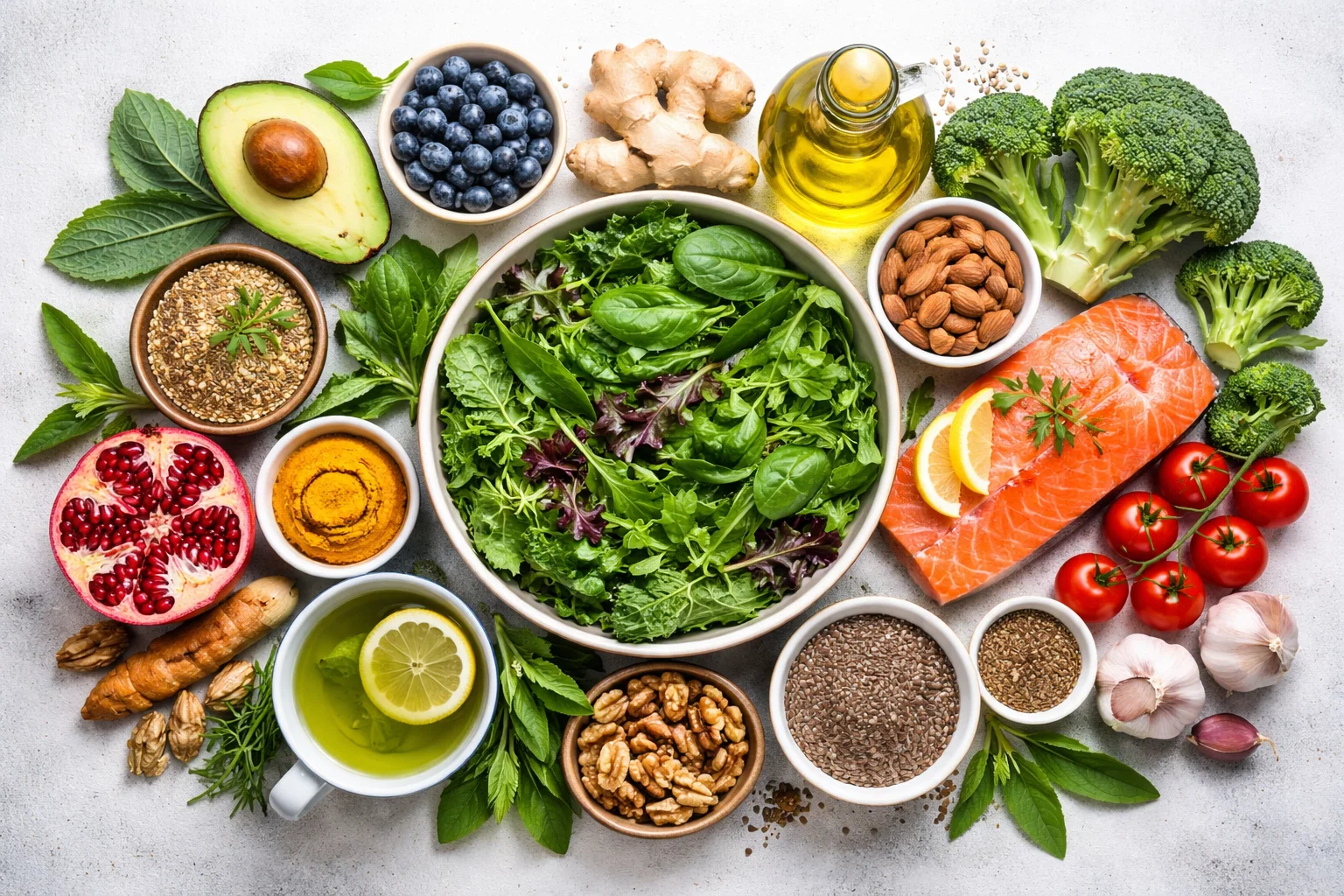
Spices and foods that naturally reduce inflammation
Many spices and foods possess natural anti-inflammatory properties. Incorporating these items into your daily diet can significantly alleviate PCOS symptoms and improve overall well-being for women with polycystic ovary syndrome. Some examples of foods with anti-inflammatory properties are:
| Food Group | Examples |
|---|---|
| Spices | Turmeric, Ginger |
| Produce | Leafy Greens, Berries |
Foods that should be minimized for better hormonal health
To support better hormonal health, certain foods should be minimized in a PCOS diet. Processed foods, refined sugar, and excessive carbs can promote inflammation and worsen insulin resistance. Reducing these food choices is essential for managing PCOS and improving fertility.
Core Principle #5: Support Gut Health for Hormone Balance
Supporting gut health is vital for hormone balance in women with PCOS. A healthy gut microbiome plays a crucial role in hormone regulation, insulin sensitivity, and inflammation. By prioritizing gut health, you can positively influence hormonal balance and manage PCOS symptoms more effectively.
The gut-hormone connection and why it matters in PCOS
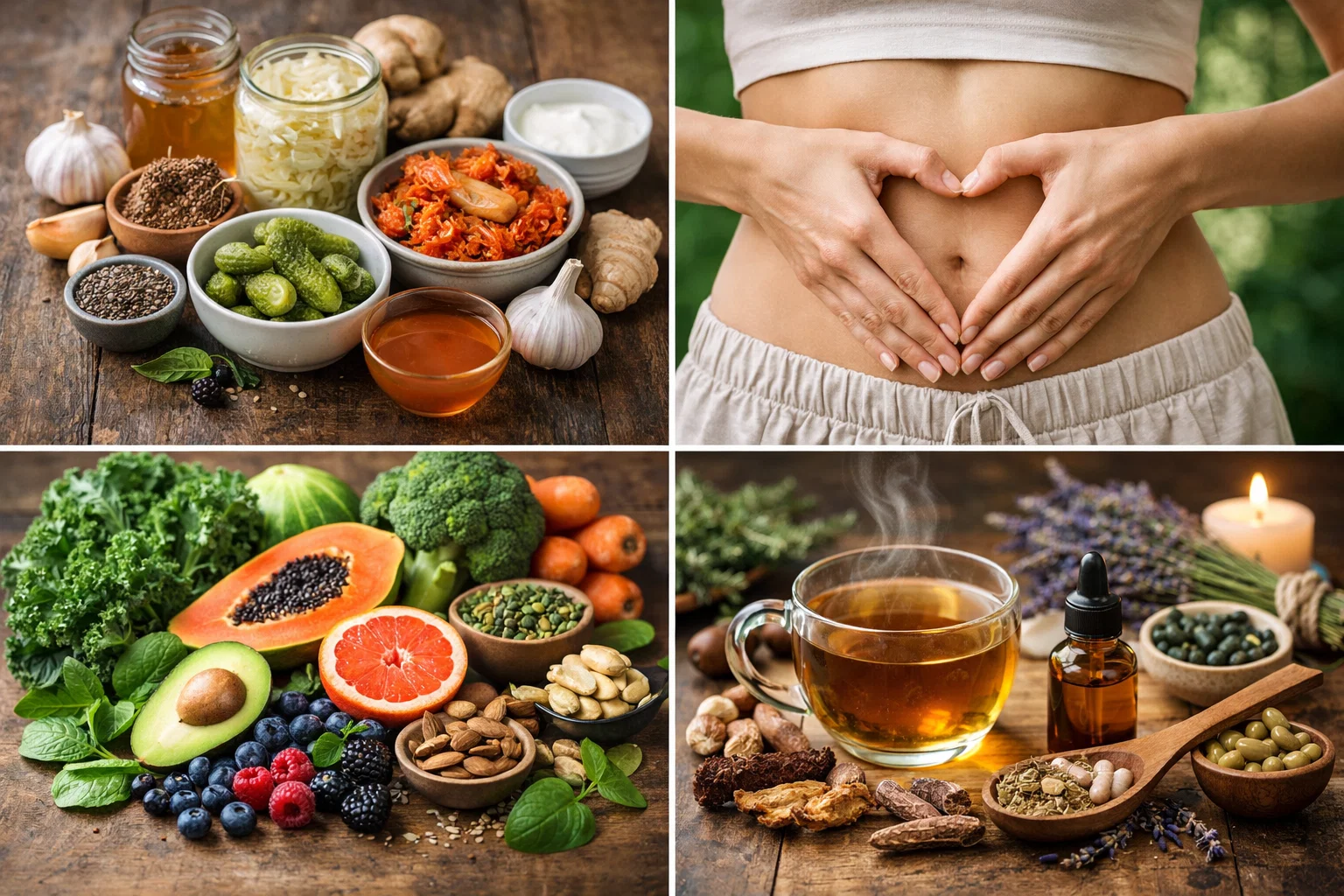
The gut-hormone connection is significant in PCOS because the gut microbiome influences hormone metabolism and inflammation. An imbalanced gut can exacerbate insulin resistance and disrupt hormone levels. Supporting gut health is essential for managing PCOS symptoms and improving fertility in women with polycystic ovary syndrome.
Fermented foods and fiber for microbiome balance
Fermented foods and fiber are essential for maintaining a healthy gut microbiome. These dietary components contribute to gut health as follows:
| Dietary Component | Benefit |
|---|---|
| Fermented Foods (e.g., yogurt, kefir) | Introduce beneficial bacteria |
| Fiber | Supports the growth of beneficial bacteria |
Including these in your diet promotes better gut health, which in turn helps balance hormones and alleviate PCOS symptoms.
Signs of poor gut health affecting PCOS symptoms
Poor gut health can manifest in several ways that affect PCOS symptoms. These include bloating, constipation, and increased inflammation. Addressing these signs through dietary changes and gut-supportive strategies can improve hormone balance and reduce PCOS symptoms for women with polycystic ovary syndrome.
Best PCOS-Friendly Foods List (What to Eat Daily)
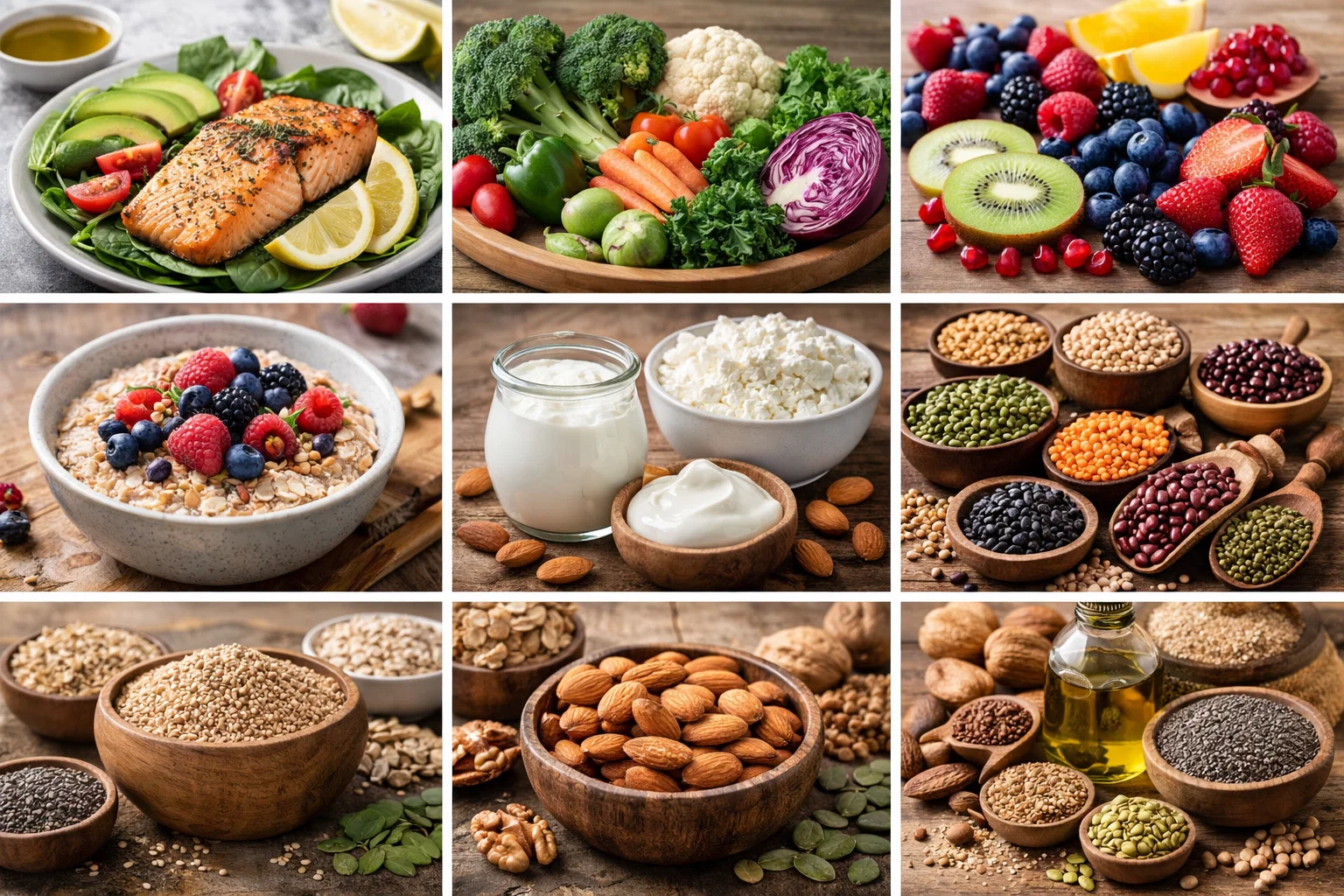
Creating a list of PCOS-friendly foods to eat daily can significantly help manage your condition. This includes prioritizing high-protein foods, low-glycemic carbs, and hormone-supporting fats and vegetables. These food choices are essential for stabilizing blood sugar levels, reducing inflammation, and promoting hormonal balance.
High-protein foods that stabilize insulin
High-protein foods are essential for stabilizing insulin levels in women with PCOS. Lean meats, fish, eggs, legumes, and nuts help improve satiety, reduce cravings, and prevent blood sugar spikes. Including these protein sources in every meal can effectively manage PCOS symptoms and promote better health.
Low-glycemic carbohydrates for steady energy
Choosing low-glycemic carbs is crucial for maintaining steady energy levels in people with PCOS. These food choices release glucose slowly, preventing blood sugar spikes and crashes. Options like non-starchy vegetables, whole grains, and legumes can help manage PCOS symptoms and improve overall well-being.
Hormone-supporting fats and vegetables
Incorporating hormone-supporting fats and a variety of vegetables into your daily diet is essential for managing PCOS. Healthy fats, such as those found in avocados and olive oil, support hormone production. Vegetables provide essential nutrients and fiber, promoting overall hormonal balance and helping manage PCOS symptoms.
Foods to Avoid or Limit for Better PCOS Control
For effective management of polycystic ovary syndrome, it’s crucial to avoid or limit certain foods. Refined sugar, processed foods, and unhealthy fats can exacerbate insulin resistance and inflammation, worsening symptoms of PCOS. Making informed food choices helps in managing the syndrome.

Refined sugar and processed carbohydrates
Refined sugar and processed carbohydrates can significantly impact blood sugar levels, worsening insulin resistance in women with PCOS. These food choices lead to rapid spikes in glucose levels, exacerbating hormonal imbalances and contributing to weight gain. Limiting these carbs is key to managing PCOS.
Highly processed foods and trans fats
Highly processed foods and trans fats can exacerbate inflammation and insulin resistance, both of which are problematic for people with PCOS. These food choices often contain hidden sugars and unhealthy additives that worsen PCOS symptoms. Avoiding these is vital for managing PCOS.
Hidden hormone disruptors in modern diets
Modern diets often contain hidden hormone disruptors that can negatively impact women with PCOS. These substances, found in certain processed foods and packaging, interfere with hormonal balance and exacerbate symptoms of PCOS. Awareness of these factors is important for effective dietary management.
Sample 1-Day PCOS Meal Plan for Real Results
A well-structured PCOS diet can deliver real results by balancing hormones and stabilizing blood sugar. A sample 1-day diet plan includes hormone-balancing breakfast, a balanced lunch for energy, and a light dinner for recovery. Following such a plan helps manage PCOS symptoms.
Hormone-balancing breakfast ideas
Start your day with a hormone-balancing breakfast that incorporates protein, healthy fats, and low-glycemic carbohydrates. Examples include Greek yogurt with berries and nuts or a vegetable omelet with avocado. A balanced breakfast can help manage blood sugar levels.
Balanced lunch for energy and insulin control
A balanced lunch should focus on lean protein, non-starchy vegetables, and complex carbohydrates to maintain energy and control insulin levels. A salad with grilled chicken or a lentil soup with whole-grain bread are great food choices for women with PCOS.
Light dinner for recovery and hormone repair
Opt for a light dinner to support recovery and hormone repair during sleep. Examples include baked fish with steamed vegetables or a small portion of quinoa with tofu. A balanced, light meal aids in managing PCOS symptoms.
Smart Lifestyle Habits That Enhance the PCOS Diet
Smart lifestyle habits can significantly enhance the effectiveness of a PCOS diet. Exercise, sleep quality, and stress management play crucial roles in managing hormones and improving overall health. Integrating these habits alongside a PCOS-friendly diet is key for women with polycystic ovary syndrome.
Exercise strategies that improve insulin sensitivity
Incorporating exercise strategies can improve insulin sensitivity in women with PCOS. Regular physical activity, including both cardio and strength training, helps manage blood sugar and improve metabolic health. Exercise is a vital component of managing PCOS symptoms effectively.
Sleep quality and its impact on hormones
Sleep quality profoundly impacts hormone balance, particularly for people with PCOS. Poor sleep can disrupt hormone regulation, exacerbating insulin resistance and inflammation. Prioritizing good sleep habits is essential for managing PCOS symptoms effectively and supporting fertility.
Stress management for cortisol regulation
Stress management is crucial for regulating cortisol levels, which can impact hormone balance in women with PCOS. Chronic stress elevates cortisol, worsening insulin resistance and inflammation. Techniques such as meditation, yoga, and deep breathing can help alleviate PCOS symptoms.
Common Mistakes That Slow Down PCOS Progress
Several common mistakes can slow down progress when managing PCOS through diet. Skipping meals, over-restricting calories, and ignoring protein and fiber intake are pitfalls that can hinder hormone balance. Avoiding these mistakes can lead to better management of PCOS symptoms.
Skipping meals and blood sugar crashes
Skipping meals can lead to significant blood sugar crashes, exacerbating insulin resistance and hormone imbalances in women with PCOS. Regular, balanced meals help maintain stable glucose levels and support overall hormonal health. Consistent eating habits are essential for effectively managing PCOS symptoms.
Over-restricting calories instead of balancing nutrition
Over-restricting calories without balancing nutrition can be counterproductive for women with PCOS. While weight management is important, focusing on nutrient-dense, whole foods is more effective for hormone balance and overall health than simply reducing calorie intake drastically. A balanced diet is critical for women with polycystic ovary syndrome.
Ignoring protein and fiber intake
Ignoring protein and fiber intake can hinder progress in managing PCOS. Protein helps improve satiety and stabilize blood sugar levels, while fiber supports gut health and hormone balance. Prioritizing these nutrients is crucial for effectively managing PCOS symptoms.
Final Thoughts: Turning the PCOS Diet into a Sustainable Lifestyle
Transforming the PCOS diet into a sustainable lifestyle is key for long-term management and well-being. Focusing on balanced nutrition, consistent habits, and mindful food choices enables women with polycystic ovary syndrome to effectively manage symptoms and improve fertility. A sustainable approach supports lifelong health and balance.