
Feeling overwhelmed? Discover science-backed secrets to reclaim your emotional well-being and transform stress into calm. Learn practical tips to boost your mood and cultivate lasting resilience. This article will show you how to take control of your mental health.
Why Stress Takes Over Your Mood (And How to Take It Back)

The modern lifestyle triggers behind chronic stress and emotional imbalance
Our fast-paced modern lifestyle often leads to chronic stress, impacting our emotional health and creating an imbalance. The constant connectivity and demands can deplete our resources, leaving us feeling overwhelmed and struggling to maintain a positive mood. It’s time to prioritize self-care.
How stress affects brain chemistry, focus, and emotional stability
Stress significantly alters brain chemistry, impacting focus and emotional stability. Elevated cortisol levels can disrupt neurotransmitter balance, affecting mood and well-being. This can lead to difficulty concentrating, increased anxiety, and an overall feeling of being emotionally overwhelmed, making it hard to boost your mood.
The Science of Mood Regulation: What Really Controls Your Emotional State
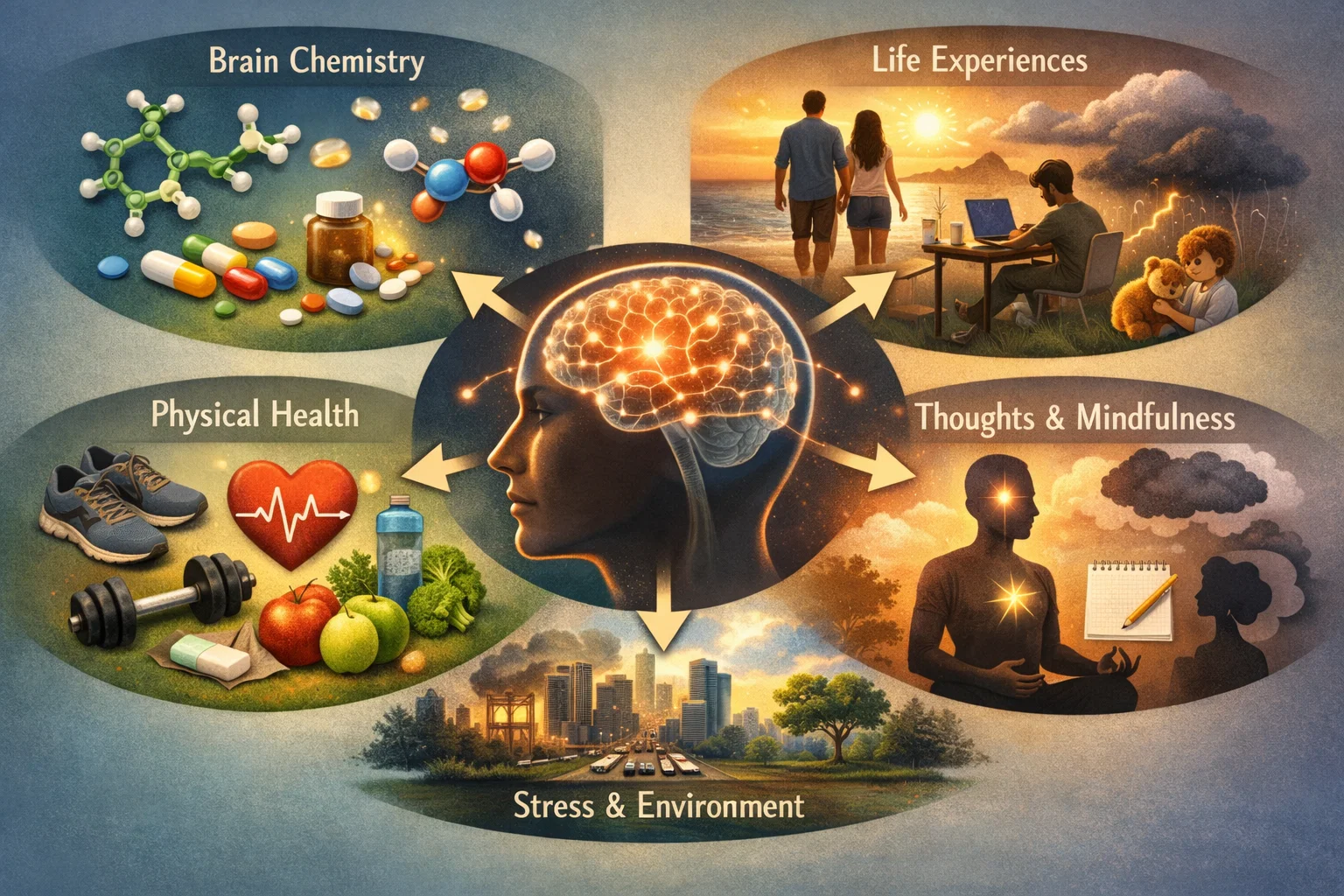
Role of neurotransmitters in mood (dopamine, serotonin, cortisol)
Neurotransmitters like dopamine and serotonin play crucial roles in mood regulation. Serotonin is associated with feelings of happiness, while excessive cortisol, the stress hormone, can lead to a bad mood. Understanding their interplay is vital for maintaining mental health and a positive outlook.
How the brain and body communicate during stress responses
The brain and body engage in constant communication, especially during stress responses. The hypothalamic-pituitary-adrenal (HPA) axis activates, releasing cortisol. This communication loop affects physical and emotional health, underscoring the need for relaxation and strategies to help you feel more positive.
Why emotional regulation is a trainable skill, not fixed biology
Emotional regulation is not a fixed trait but a trainable skill. Through behavior change techniques, mindfulness, and consistent effort, individuals can learn to manage their emotional responses, reduce anxiety, and improve their overall mood and well-being. These skills are keys to better mental health.
Secret #1: Reset Your Nervous System with Controlled Breathing Techniques
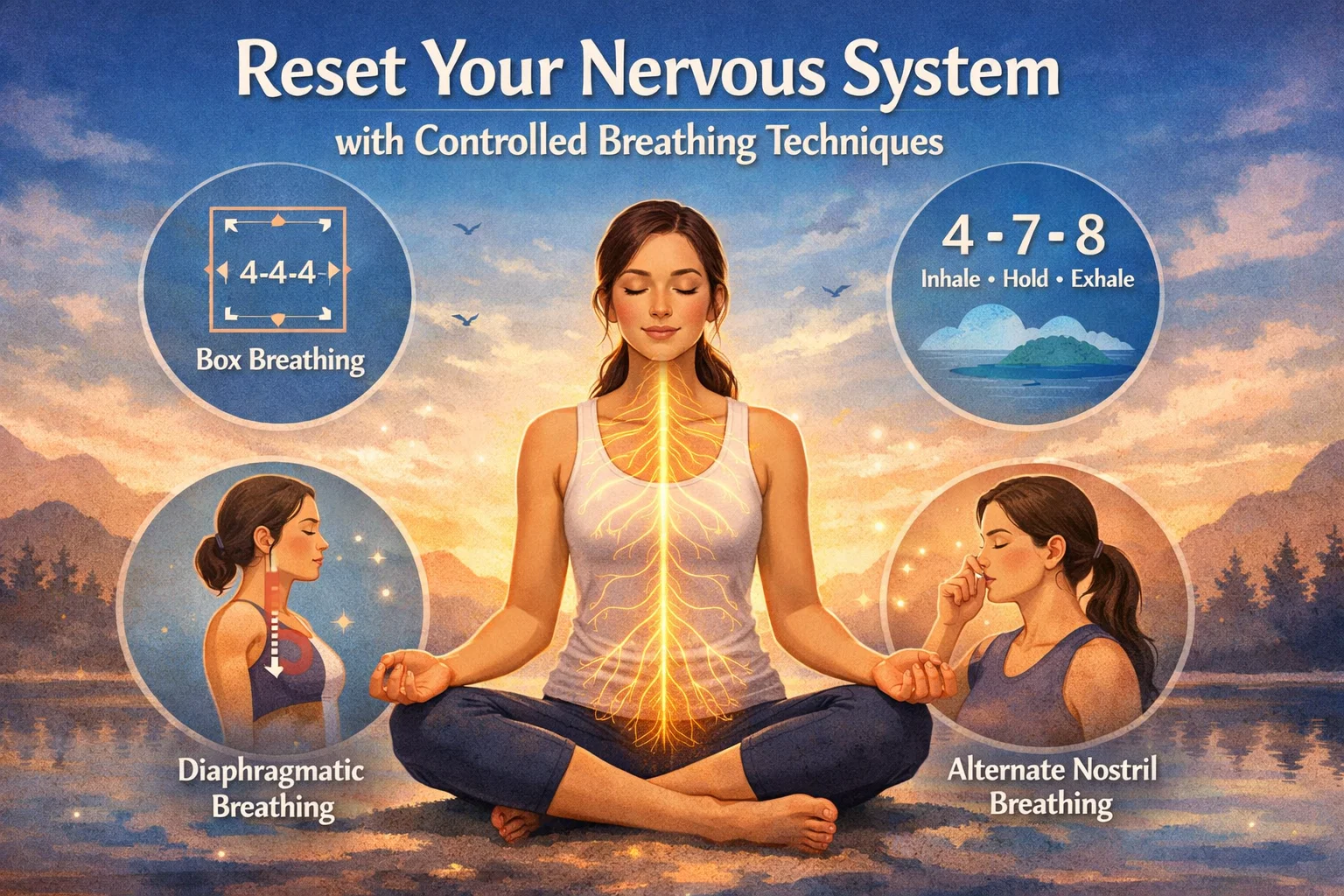
How deep breathing activates the parasympathetic nervous system
Deep breathing activates the parasympathetic nervous system, promoting relaxation and reducing stress. This activation helps to counteract the body’s fight-or-flight response, fostering a state of calm and improving your ability to boost your mood naturally. It’s a powerful tool for self-care.
Box breathing and 4-7-8 technique for instant calm
Here are some effective methods for achieving instant calm, and they work by offering several benefits:
- Regulating the nervous system.
- Reducing anxiety.
- Helping to improve your mood quickly and effectively.
When and how to use breathing for stress spikes
Use controlled breathing techniques during stress spikes to regain composure. Whether you’re facing a challenging situation or feeling overwhelmed, taking a few minutes for deep, focused breathing can clear your mind, reduce stress, and help you feel more positive, acting as simple mood boosters.
Secret #2: Rebalance Mood Through Daily Movement and Exercise

How exercise naturally reduces cortisol and increases endorphins
Exercise is a natural mood booster, effectively reducing cortisol and increasing endorphins, which act as feel-good chemicals. Regular physical activity can significantly improve your mood and well-being. Making exercise a habit will help improve your mental health and keep a bad mood at bay.
Best calming workouts (taking a walk, yoga, light cardio)
Calming workouts can be excellent ways to boost your mood. In particular, these activities offer several benefits:
- Promote relaxation
- Reduce anxiety
- Enhance your overall emotional health and wellness, contributing to lasting positive mood
How movement improves emotional resilience over time
Consistent movement improves emotional resilience over time by regulating stress hormones and enhancing mental health. Regular exercise helps you develop a stronger ability to cope with stress, leading to a more stable and positive mood and increasing your sense of self-care. These are great mood boosters.
Secret #3: Stabilize Mood with Brain-Nourishing Nutrition

How blood sugar fluctuations affect emotional stability
Blood sugar fluctuations can significantly impact emotional stability, leading to mood swings and irritability. Maintaining stable blood sugar levels through balanced nutrition is essential for maintaining a positive mood and overall emotional health, helping you avoid feeling sad and improve your mood.
Foods that support calmness and mental clarity
Here are some foods that can support calmness and mental clarity, potentially boosting your mood. To enhance brain function and reduce anxiety, consider incorporating nutrient-dense options such as:
- Leafy greens
- Fatty fish
- Nuts
These foods can lead to improved mental health and provide sustainable ways to boost your mood naturally.
Anti-inflammatory diet patterns for long-term mood balance
Adopting anti-inflammatory diet patterns is crucial for long-term mood balance. Reducing processed foods, sugar, and unhealthy fats can help reduce anxiety and promote a stable, positive mood. A focus on whole, unprocessed foods supports sustained emotional health and wellness and helps you feel better.
Secret #4: Strengthen the Gut-Brain Connection for Emotional Control
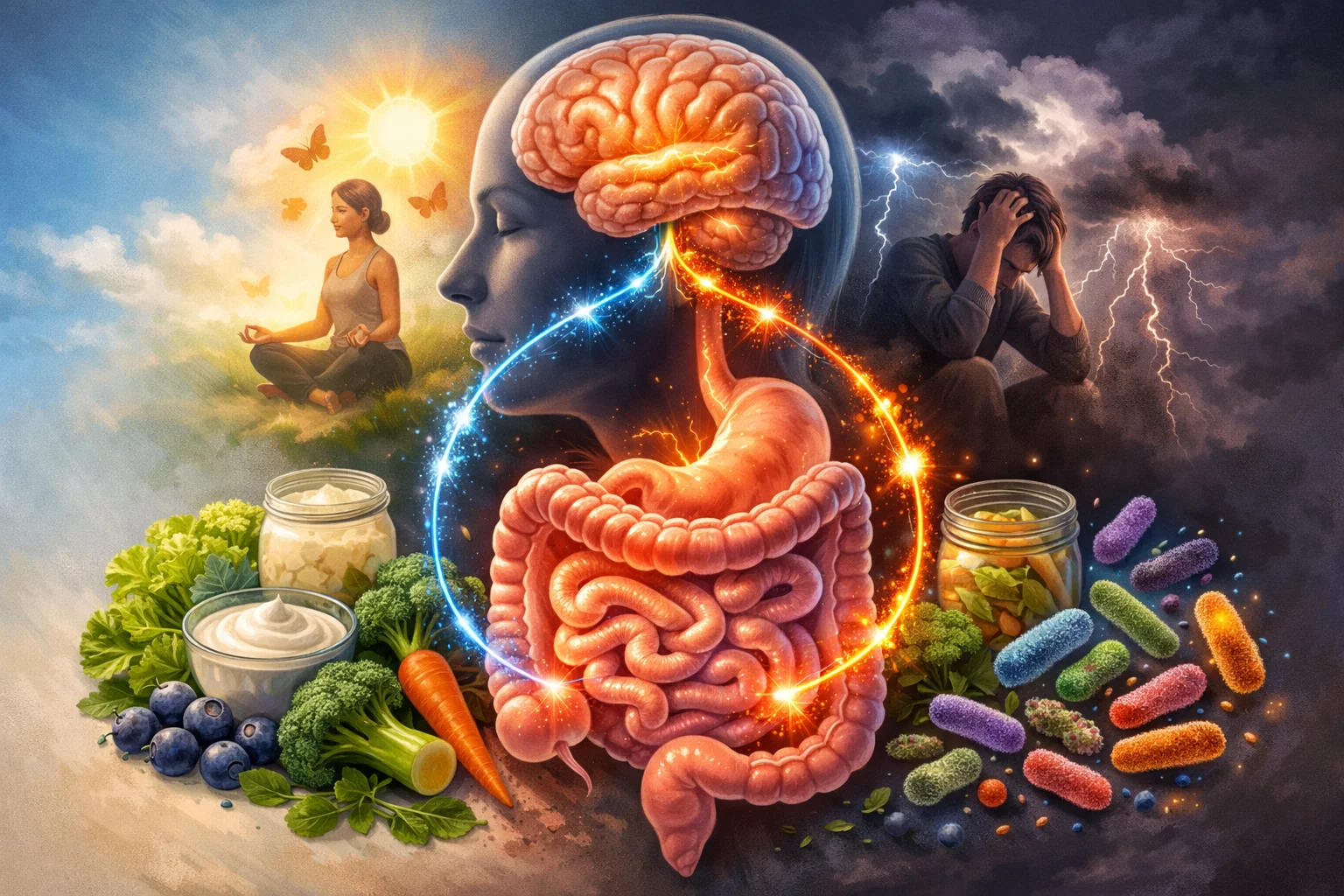
Gut-Brain Axis and its role in stress and mood regulation
The Gut-Brain Axis plays a vital role in stress and mood regulation. The communication between the gut and brain influences neurotransmitter production and stress responses, impacting mental health. Nurturing this connection supports a positive mood and overall emotional well-being, helping you feel more positive.
How gut bacteria influence anxiety and happiness levels
Gut bacteria significantly influence anxiety and happiness levels. A balanced gut microbiome promotes the production of feel-good neurotransmitters like serotonin, while an imbalance can contribute to anxiety and a bad mood. Maintaining a healthy gut supports mental health and emotional stability and helps improve your mood.
Probiotic and fiber-rich foods that support calm mood states
Probiotic and fiber-rich foods support calm mood states by promoting a healthy gut microbiome. Incorporating foods like yogurt, kefir, and a variety of fruits and vegetables can enhance mental health, reduce anxiety, and contribute to a more stable and positive mood. Try these tips to boost your mood!
Secret #5: Rewire Your Mind with Stress-Reduction Mental Practices

Mindfulness meditation and its impact on emotional regulation
Mindfulness meditation significantly impacts emotional regulation by training the mind to focus on the present moment. This practice enhances self-awareness and reduces reactivity to stress, promoting emotional health and wellness. Regular meditation is one of many useful tips to boost your mood and improve your mood.
Cognitive reframing: changing thoughts to change feelings
Cognitive reframing involves changing negative thoughts to alter feelings and boost mood. By challenging and reframing pessimistic thought patterns, individuals can develop a more positive and balanced perspective, promoting emotional well-being. This behavior change technique can improve your mood.
Journaling techniques for emotional release and clarity
Journaling techniques offer a powerful means of emotional release and clarity. Writing about thoughts and feelings can help process emotions, reduce stress, and gain valuable insights. Consistent journaling is a great form of self-care that can help you feel more positive. Affirmations may also help improve your mood.
Secret #6: Optimize Sleep and Recovery for Emotional Reset

How poor sleep increases emotional reactivity and stress sensitivity
Poor sleep significantly increases emotional reactivity and stress sensitivity. Sleep deprivation impairs the brain’s ability to regulate emotions, making individuals more prone to irritability, anxiety, and a bad mood. Prioritizing sleep is essential for maintaining mental health and emotional stability.
Sleep cycles and mood stabilization explained simply
Sleep cycles play a critical role in mood stabilization. During sleep, the brain processes emotions and consolidates memories. Disruptions in sleep cycles can affect neurotransmitter balance, impacting mood and overall well-being. Good sleep is key to maintaining a positive mood.
Night routines that promote calmness and mental recovery
Establishing calming night routines promotes relaxation and mental recovery, essential for good sleep and emotional health. Incorporating activities such as reading, meditation, or a warm bath can reduce stress and prepare the mind for restful sleep. It’s a great form of self-care.
Common Mood Mistakes That Keep You Stuck in Stress Mode
Overstimulation from digital devices and social media
Overstimulation from digital devices and social media can exacerbate stress and anxiety. Constant connectivity and exposure to information overload can overwhelm the brain, leading to emotional imbalance and a bad mood. Taking breaks and limiting screen time supports mental health.
Excess caffeine and sugar effects on anxiety levels
Excessive caffeine and sugar intake can negatively impact anxiety levels and mood stability. These substances can cause blood sugar fluctuations and stimulate the nervous system, leading to increased anxiety, irritability, and a bad mood. Moderation is key for mental health.
Lack of physical activity and emotional stagnation
A lack of physical activity can contribute to emotional stagnation and a bad mood. Exercise is a natural mood booster and stress reliever. Incorporating regular movement into your routine can improve your mood, reduce anxiety, and enhance overall emotional health and wellness. This pick-me-up will help improve your mood.
Final Thoughts: Building Long-Term Emotional Resilience
Building long-term emotional resilience requires a holistic approach that integrates the strategies discussed. By consistently applying these practices, you can enhance your ability to manage stress, regulate your emotions, and boost mood for sustained mental health and well-being. Remember to savor little pleasures.