
Discover the power of metabolic flexibility! This guide reveals how to train your body to efficiently switch between burning fat and carbs for fuel. Learn simple strategies to enhance your metabolism, improve insulin sensitivity, and unlock your body’s fat-burning potential. Say goodbye to energy crashes and hello to sustained vitality!
What Is Metabolic Flexibility and Why It Matters

Fuel Switching Explained (Sugar vs Fat Burning)
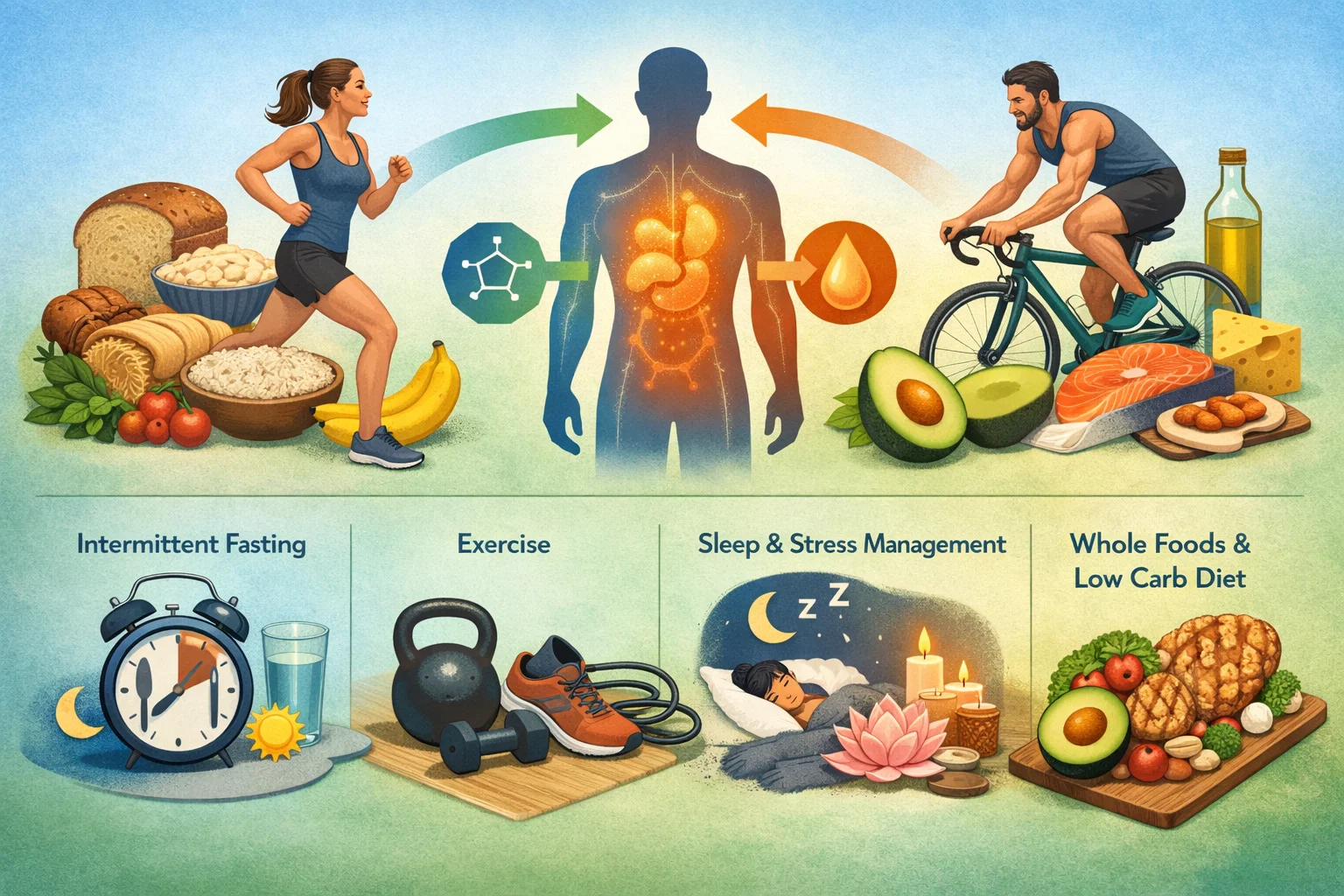
Metabolic flexibility means your body’s ability to switch between burning different fuel sources, primarily glucose and fatty acids. When you are metabolically flexible, your metabolism can efficiently switch between burning carbs and fat depending on fuel availability.
This metabolic switch is crucial for maintaining stable blood sugar and energy levels. An individual with metabolic flexibility can easily burn fat when carbs are restricted and burn carbs when they are available.
Key Benefits for Fat Loss and Energy
Improving metabolic flexibility offers several key benefits, including enhanced fat loss and sustained energy levels. By optimizing your fat metabolism, your body can more effectively burn fat stores, leading to changes in body composition and a reduction in body fat.
Furthermore, improvements in insulin sensitivity and efficient energy production contribute to stable glucose levels, preventing energy crashes and promoting consistent energy levels throughout the day. This helps in maintaining overall metabolic health.
Why Most People Are Stuck in Sugar-Burning Mode

Constant Eating and High Sugar Intake
Many individuals find themselves stuck in a sugar-burning mode due to constant eating and high sugar intake. Frequent consumption of carbohydrate-rich foods, especially those high in processed sugar, keeps glucose levels elevated and hinders the body’s ability to efficiently burn fat.
This constant influx of glucose prevents the body from tapping into fat stores, promoting fat storage and hindering fat loss. Maintaining stable blood sugar becomes challenging with this lifestyle.
Lack of Exercise and Poor Lifestyle Habits
A sedentary lifestyle coupled with poor lifestyle habits contributes significantly to metabolic inflexibility. Lack of exercise, particularly resistance training, reduces insulin sensitivity and the body’s ability to efficiently switch between burning carbs and fat.
Poor lifestyle habits such as inadequate sleep, chronic stress, and a diet high in processed foods further impair metabolic health and promote insulin resistance. Addressing these habits is crucial for improving metabolic flexibility.
Signs You Lack Metabolic Flexibility

Energy Crashes and Sugar Cravings
If you experience frequent energy crashes and intense sugar cravings, it may indicate metabolic inflexibility. These symptoms often arise from unstable glucose levels, where your body relies heavily on glucose for energy and struggles to burn fat efficiently.
This metabolic inflexibility can lead to constant cravings for carbs to quickly raise your blood sugar, creating a cycle of highs and lows. This reliance on glucose affects your ability to switch between burning fuel sources effectively.
Difficulty Losing Fat
One of the primary signs of reduced metabolic flexibility is difficulty losing fat, even when following a calorie-controlled diet. When your body struggles to switch between burning carbs and fat, it tends to store fat more readily.
Impaired insulin sensitivity and fat metabolism prevent your body from efficiently accessing fat stores for fuel. Improving metabolic flexibility improves insulin sensitivity and fat as a fuel. This difficulty in changes in body composition makes fat loss a challenging endeavor, hindering overall improvements in body composition.
How to Become Metabolically Flexible
Time-Restricted Eating (Fasting Basics)
Time-restricted eating, or intermittent fasting, is a powerful tool to enhance metabolic flexibility. This eating pattern involves cycling between periods of eating and fasting, such as a 16/8 schedule where you eat within an 8-hour window and fast for 16 hours.
Fasting helps deplete glycogen stores, signaling your body to switch between burning fat and glucose for energy. Consistent intermittent fasting improves insulin sensitivity and fat metabolism, promoting metabolic flexibility.
Strength Training and Daily Movement
Incorporating strength training and daily movement into your routine is crucial for enhancing metabolic flexibility. Resistance training improves insulin sensitivity and increases muscle mass, which helps in burning glucose and fatty acids more efficiently.
Regular physical activity enhances fat metabolism and improves your body’s ability to switch between burning carbs and fat. Aim for a combination of strength training exercises and daily activities like walking to support metabolic health.
Smart Carb Timing Strategy
Strategic carbohydrate timing can significantly enhance metabolic flexibility. Consuming carbs around your most active times, such as before or after workouts, allows your body to utilize them efficiently for energy.
Avoiding carbs during periods of inactivity encourages your body to tap into fat stores for fuel. This smart approach to carbohydrate intake helps train your body to switch between burning glucose and fatty acids, improves insulin sensitivity and supports metabolic flexibility.
Best Diet for Metabolic Flexibility

Foods to Eat (Protein, Healthy Fats, Whole Carbs)
To enhance metabolic flexibility, focus on a diet rich in protein, healthy fats, and whole carbs. Lean protein sources like chicken, fish, and legumes support muscle maintenance and metabolic health. Healthy fats, such as avocados, nuts, and olive oil, promote fat metabolism and improve insulin sensitivity.
Whole carbohydrate sources like vegetables, fruits, and whole grains provide sustained energy without causing rapid spikes in blood sugar. This balance supports your ability to switch between burning carbs and fat.
Foods to Avoid (Processed Sugar and Refined Carbs)
Avoid processed sugar and refined carbs to improve metabolic flexibility. These foods lead to rapid spikes in glucose levels, hindering your body’s ability to switch between burning fat and carbs. Processed foods often contribute to insulin resistance and fat storage, preventing your body from efficiently accessing fat stores.
By limiting intake of these detrimental substances, you encourage stable glucose levels, improve insulin sensitivity, and promote fat burning. This metabolic switch supports fat loss and sustained energy.
Common Mistakes to Avoid
Eating Too Frequently
Eating too frequently is a common mistake that hinders metabolic flexibility. Constant snacking and meals keep insulin levels elevated, preventing your body from tapping into fat stores for fuel. Allow your body periods without food intake, promoting a metabolic switch that enables it to burn fat efficiently.
Spacing out meals and incorporating intermittent fasting can improve insulin sensitivity and support the body’s ability to switch between burning glucose and fatty acids. This promotes metabolic health.
Eliminating Carbs Completely
Completely eliminating carbs from your diet can also hinder metabolic flexibility. While reducing processed carbs is beneficial, completely cutting them out can impair your body’s ability to efficiently burn carbs when they are available.
Smart carb timing, such as consuming carbs around workouts, supports metabolic flexibility. A balanced approach that includes whole carbohydrate sources helps maintain insulin sensitivity and supports your body’s ability to switch between burning fuel sources, preventing any form of metabolic inflexibility.
Simple Daily Routine to Start
Morning Fasting + Light Activity
Start your day with morning fasting combined with light activity to boost metabolic flexibility. Delaying your first meal allows your body to tap into fat stores for energy, improving fat metabolism. Engage in light activities like walking or yoga during your fasted state to further enhance fat burning and improve insulin sensitivity.
This simple routine helps train your body to efficiently switch between burning glucose and fatty acids and sets the stage for improved metabolic health.
Balanced Meals + Workout Timing
Focus on balanced meals and strategic workout timing to support metabolic flexibility. Consume meals that include protein, healthy fats, and whole carbs to provide sustained energy and support muscle maintenance. Time your workouts strategically, consuming carbs around your most active times to optimize fuel utilization.
This approach encourages your body to efficiently switch between burning carbs and fat, improving fat metabolism and insulin sensitivity. This promotes optimal metabolic health and body composition.
Conclusion: Train Your Body to Burn Fat Efficiently
Achieving metabolic flexibility involves training your body to efficiently switch between burning fat and carbs for fuel. You can enhance your metabolism and improve insulin sensitivity by adopting the following strategies:
- Time-restricted eating
- Strength training
- Smart carb timing
- A balanced diet
Embrace these lifestyle changes to improve your health, achieve fat loss, and enjoy sustained energy levels. Start today and flip the switch to a metabolically flexible lifestyle.