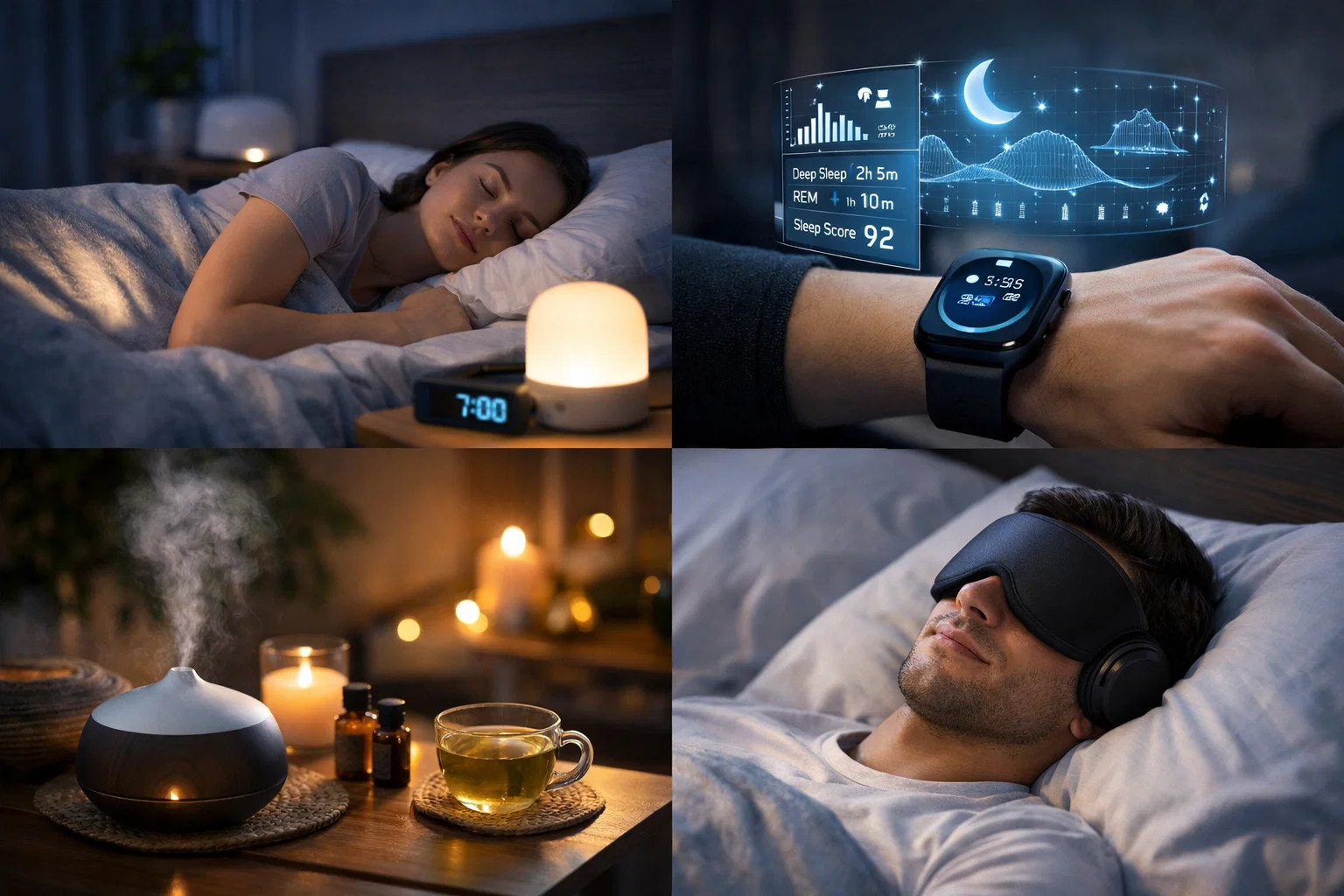
In 2026, a new wellness trend has taken social media by storm: sleepmaxxing. But what exactly is sleepmaxxing, and why are so many people trying to optimize their sleep? This article delves into the sleepmaxxing trend, exploring its origins, techniques, potential benefits, and risks.
What Is Sleepmaxxing? Understanding the Viral Sleep Optimization Movement
The Meaning Behind “Sleepmaxxing” and Where It Started
Sleepmaxxing is a social media trend focused on optimizing sleep through various techniques and tools to achieve the best sleep possible. The goal is to maximize sleep quality and quantity, often involving tracking sleep patterns and implementing sleep hacks to improve your sleep and overall sleep health.
How TikTok and Wellness Influencers Made It Mainstream
TikTok and wellness influencers have played a significant role in popularizing the sleepmaxxing trend. These influencers share sleepmaxxing hacks and tips, promoting various methods to improve their sleep and achieve restorative sleep, turning sleep optimization into a widespread wellness trend.
How Sleepmaxxing Differs From Traditional Sleep Hygiene
While sleep hygiene focuses on basic sleep practices like maintaining a consistent sleep schedule and optimizing the sleep environment, sleepmaxxing takes a more extreme approach. It often involves advanced sleep tracking, specialized sleep aids, and unconventional methods to help you sleep better and improve sleep quality.
Why Sleepmaxxing Is Trending in 2026
Burnout Culture, Productivity Pressure, and Sleep Anxiety
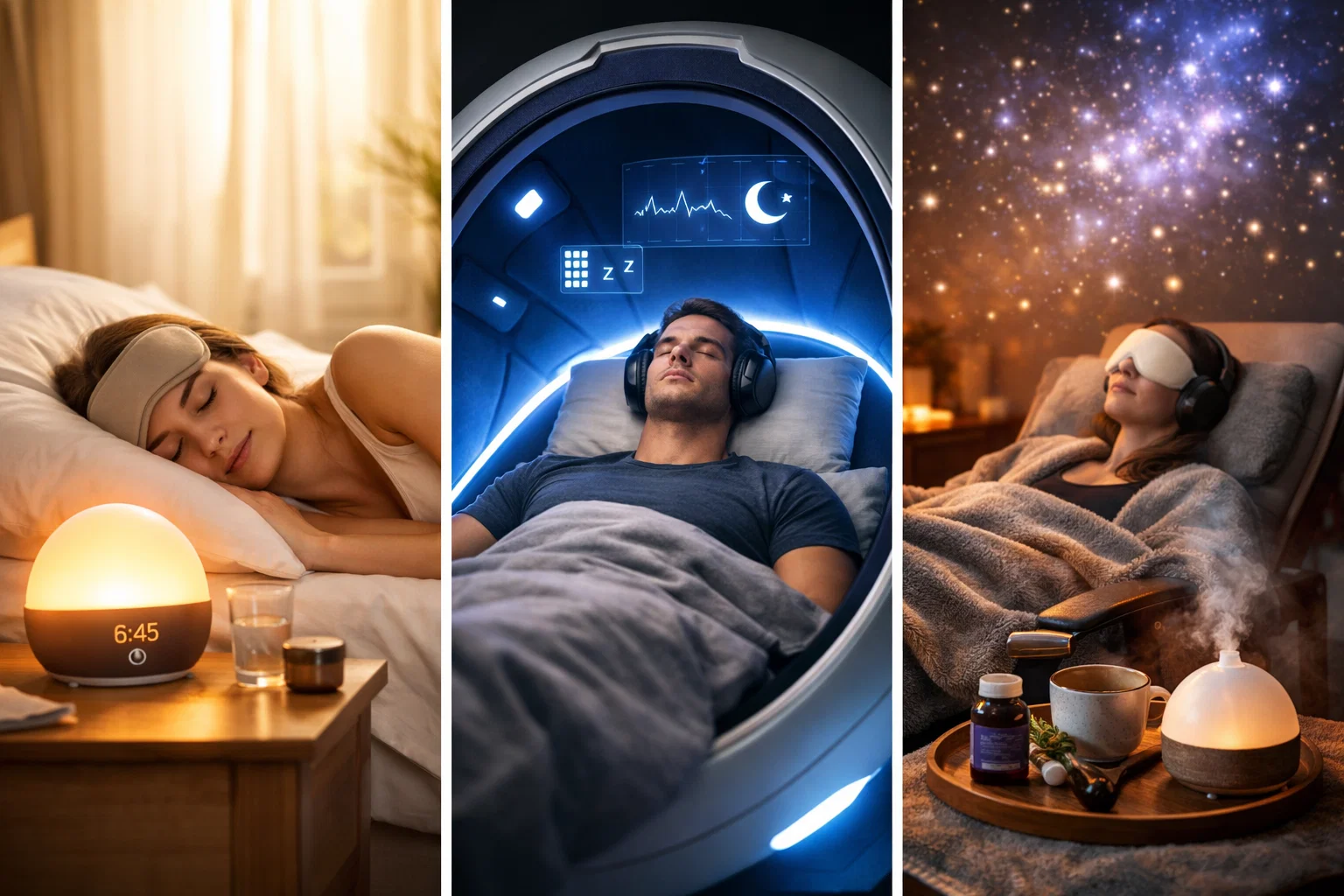
The rise of burnout culture and productivity pressure has led many to seek ways to optimize their sleep. Sleep anxiety, or worrying about sleep issues, also contributes to the sleepmaxxing trend as individuals look for methods to fall asleep faster and achieve restful sleep.
The Rise of Biohacking and Self-Optimization
Sleepmaxxing aligns with the broader biohacking and self-optimization movements, where individuals seek to enhance their physical and mental performance through various interventions. Optimizing sleep becomes another metric in the pursuit of perfect sleep and overall well-being.
Social Media’s Role in Turning Sleep Into a Performance Metric
Social media platforms amplify the focus on sleep as a performance metric, with users sharing their sleep tracking data and sleepmaxxing routines. This creates a culture where getting enough hours of sleep and achieving optimal sleep patterns is seen as a marker of success.
The Most Popular Sleepmaxxing Techniques Right Now
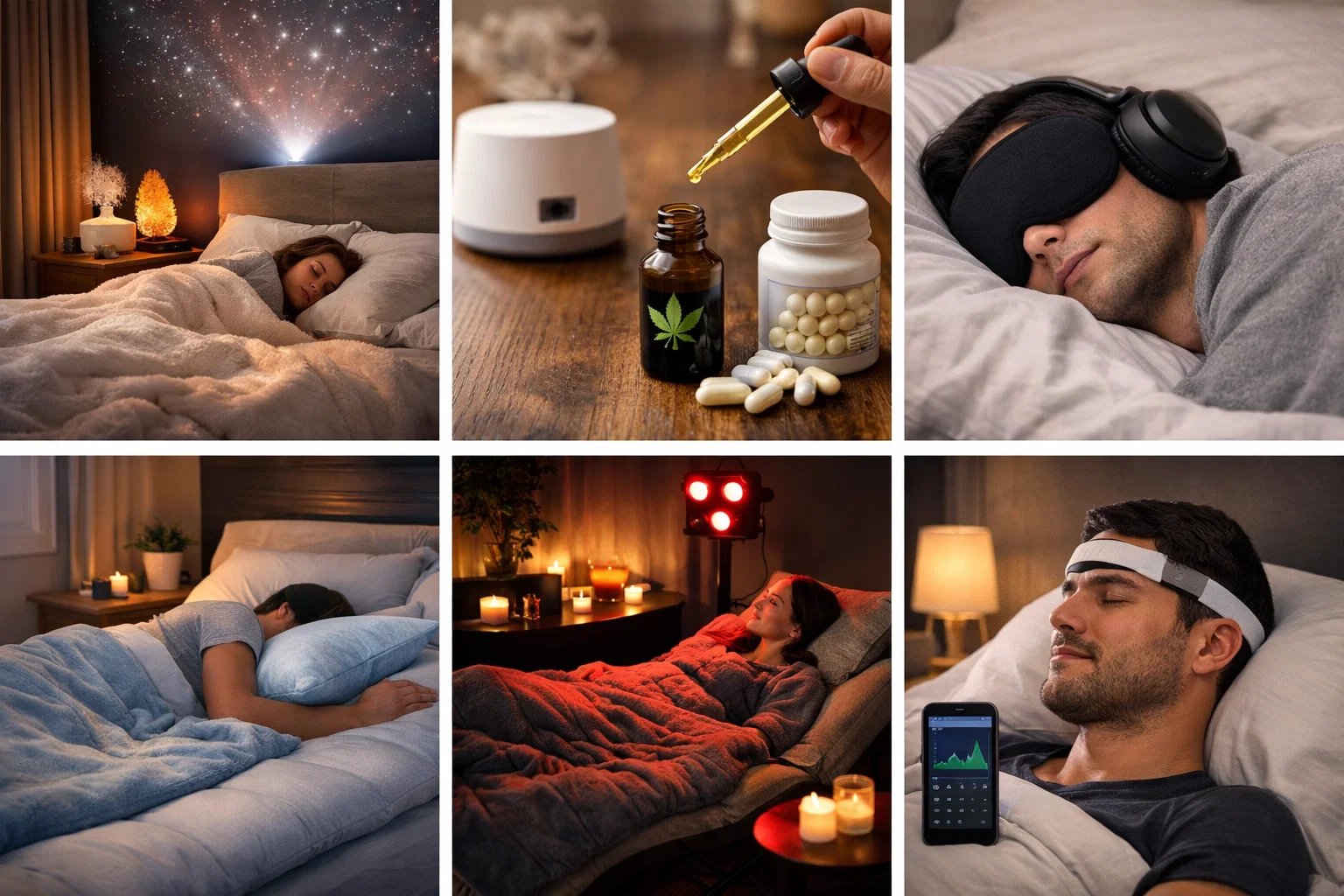
Bedroom Optimization: Temperature, Lighting, and Blackout Setups
One of the key aspects of sleepmaxxing involves optimizing the sleep environment. This can be achieved by focusing on elements such as:
- Maintaining a cool room temperature.
- Using blackout curtains to eliminate light.
These adjustments, along with ensuring the bedroom is quiet and conducive to restful sleep, aim to promote better sleep and improve sleep quality, making it easier to fall asleep.
Sleep Gadgets: Trackers, Smart Mattresses, and Wearables
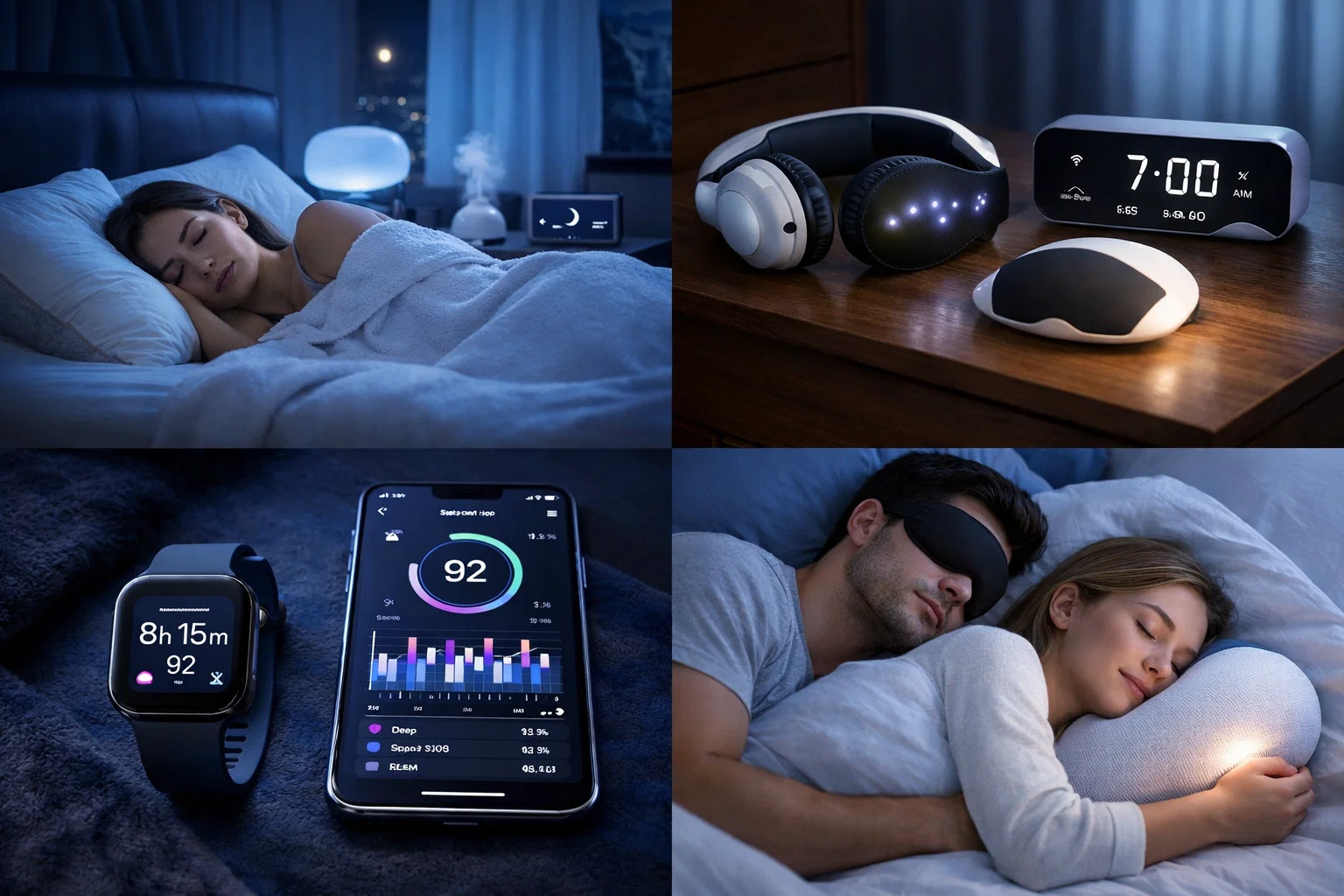
Sleep trackers, smart mattresses, and wearable devices are popular tools within the sleepmaxxing community. These gadgets provide data-driven insights to optimize your sleep by tracking:
- Sleep patterns
- Sleep cycle
- Sleep timing
By monitoring hours of sleep, users can adjust their routines to improve sleep quality and quantity and achieve the best sleep.
Supplements and Sleep Drinks: Magnesium, Melatonin, and “Sleepy Mocktails”
Many individuals seek ways to support sleep and improve sleep quality, and some may consider different options. These may include:
- Supplements like magnesium and melatonin.
- “Sleepy mocktails,” which combine natural sleep aids.
However, it’s essential to consult with a sleep expert or sleep specialist before starting any new supplement regimen to ensure sleep health and address sleep issues safely.
Viral Hacks: Mouth Taping, Nasal Strips, and Weighted Blankets
Various viral sleep hacks, such as mouth taping and nasal strips, have emerged as sleepmaxxing methods. Weighted blankets are also frequently used to promote relaxation and improve sleep quality. While some users find these hacks helpful, it’s crucial to approach them with caution and consider consulting a sleep medicine professional for personalized advice.
What Science Actually Says About Sleepmaxxing
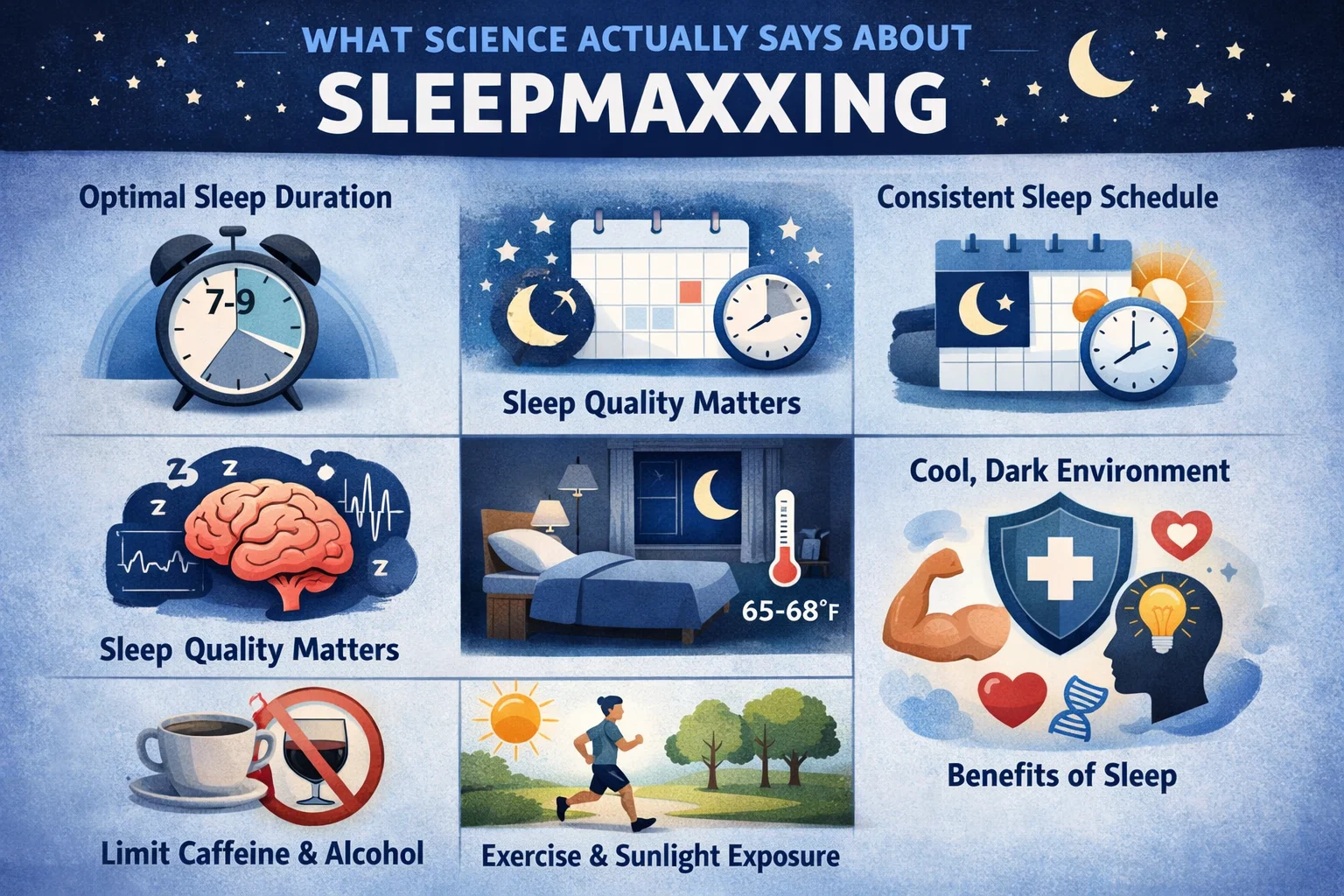
Evidence-Based Sleep Hygiene That Truly Works
Evidence-based sleep hygiene practices include maintaining a consistent sleep schedule, creating a relaxing sleep routine, and optimizing the sleep environment. These basic sleep hygiene principles are scientifically proven to promote better sleep and improve sleep quality without resorting to extreme measures. They are the foundation for achieving the best sleep possible and help you sleep better.
Which Sleepmaxxing Methods Are Supported by Research
Some sleepmaxxing methods, such as using blackout curtains and maintaining a cool room temperature, are supported by research. These strategies align with established sleep hygiene principles and can contribute to improving sleep onset and sleep quality. Sleep tracking can also be valuable, but it should be used judiciously to inform rather than obsess over sleep patterns.
Which Popular Hacks Lack Scientific Backing
Certain sleepmaxxing hacks, like mouth taping, lack robust scientific backing. While anecdotal evidence might suggest benefits, more research is needed to determine their effectiveness and safety. Relying solely on unproven methods may not effectively address underlying sleep issues and can potentially cause harm, especially for those with sleep apnea.
The Hidden Risks of Over-Optimizing Your Sleep

Orthosomnia: When Tracking Sleep Makes It Worse
Orthosomnia is a condition where individuals become excessively preoccupied with tracking sleep data, leading to increased anxiety and difficulty falling asleep. The obsession with perfect sleep and optimizing sleep can paradoxically worsen sleep issues and undermine sleep health. It’s a significant risk associated with the intense focus of the sleepmaxxing trend.
Supplement Overuse and Safety Concerns
Overuse of sleep aids and supplements can pose safety concerns. While supplements like melatonin and magnesium can support sleep, excessive use can lead to side effects and potentially disrupt natural sleep hormone production. Consulting with a sleep specialist or healthcare provider is essential to ensure safe and appropriate use of sleep aids.
The Mental Health Impact of Sleep Perfectionism
Striving for perfect sleep through sleepmaxxing can negatively impact mental health. The pressure to optimize sleep and achieve restorative sleep can lead to anxiety, frustration, and a sense of failure when sleep goals are not met. A balanced approach to sleep, focusing on overall wellness and mental well-being, is crucial for long-term sleep health and achieving restful sleep.
Who Should (and Shouldn’t) Try Sleepmaxxing
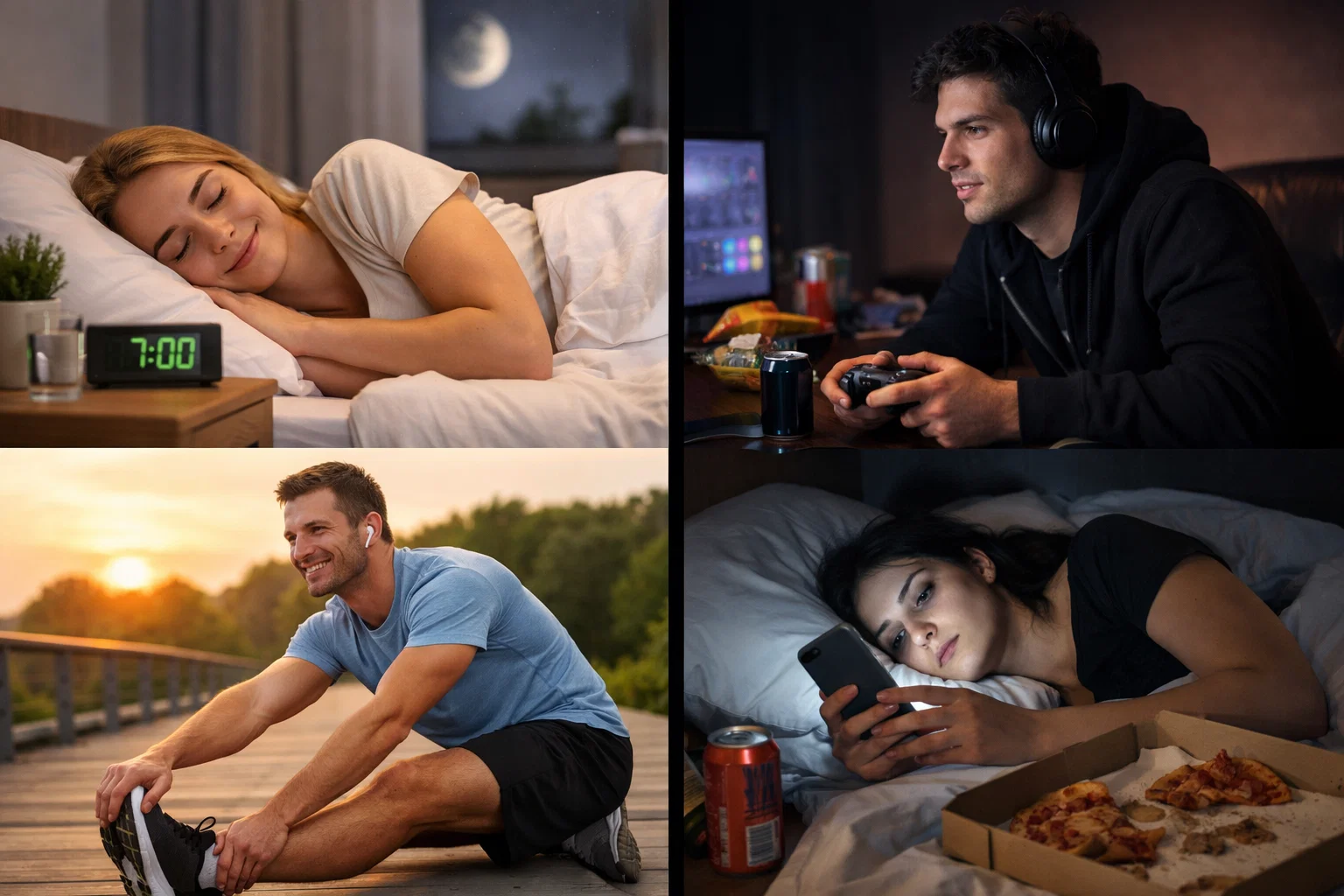
Healthy Adults Seeking Better Recovery and Performance
Healthy adults looking to optimize their sleep for better recovery and enhanced performance might find some sleepmaxxing techniques beneficial. By incorporating strategies to improve sleep quality, such as optimizing the sleep environment or tracking sleep patterns, they can aim to achieve the best sleep and enhance restorative sleep and overall wellness.
People With Insomnia or Anxiety Disorders
Individuals with insomnia or anxiety disorders should approach sleepmaxxing with caution. The pressure to optimize sleep and track sleep patterns may exacerbate sleep issues and increase anxiety, potentially worsening their sleep problems. It’s important to consult with a sleep expert or sleep specialist for appropriate guidance before trying such methods.
When to Seek Professional Medical Advice Instead
If sleep issues persist despite trying basic sleep hygiene practices, it’s crucial to seek professional medical advice from a sleep medicine specialist. Conditions like sleep apnea or other sleep disorders may require medical interventions, and a healthcare provider can provide tailored recommendations for improving sleep and addressing underlying sleep issues effectively.
How to Sleepmaxx Safely: A Balanced Approach
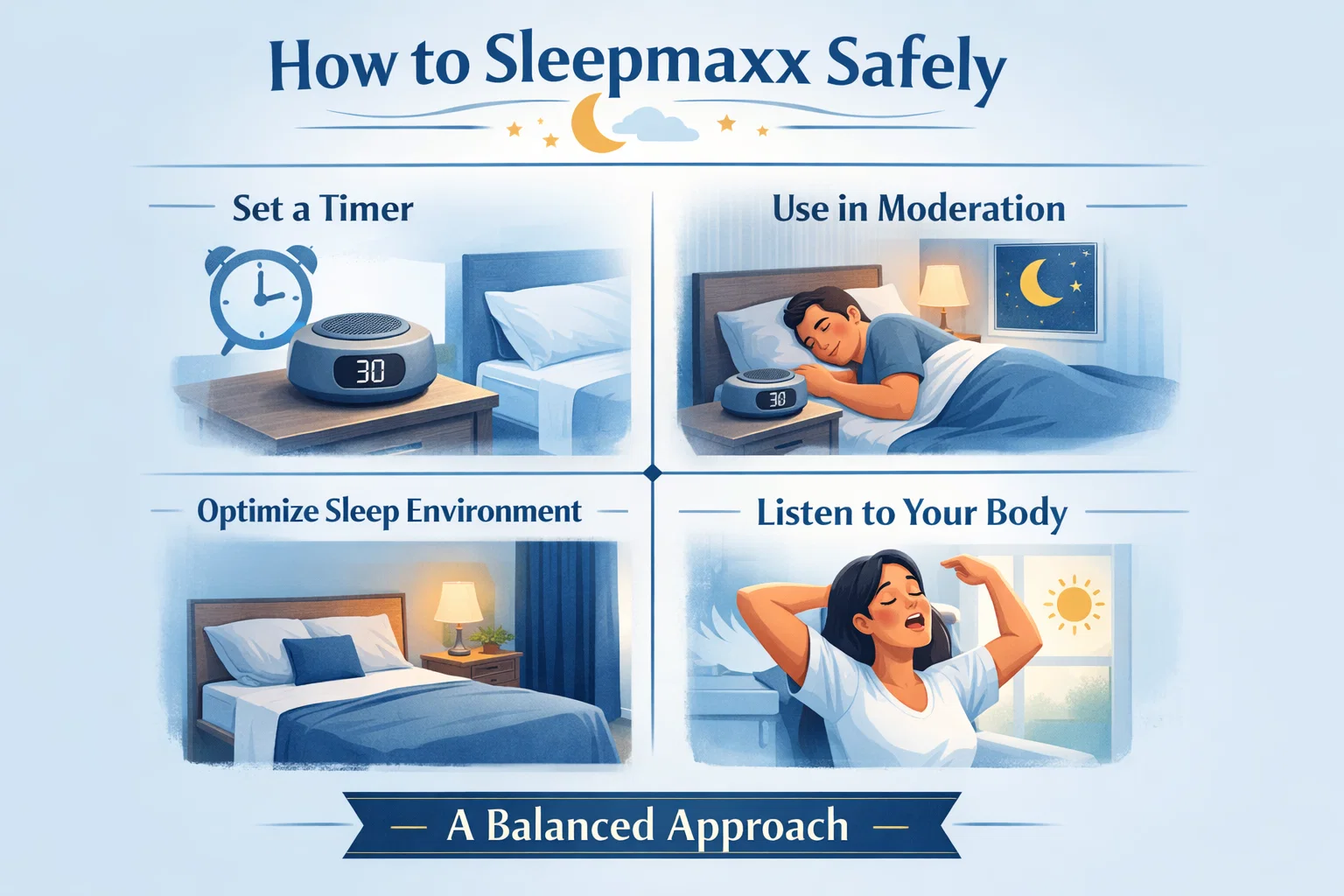
Start With Proven Basics Before Buying Gadgets
Before investing in sleep gadgets or complex sleep aids, start with proven basic sleep hygiene practices. Maintaining a consistent sleep schedule, creating a relaxing sleep routine, and optimizing the sleep environment are foundational steps to improve sleep quality and promote better sleep without relying on costly interventions to help you sleep better.
Creating a Personalized Night Routine That Works
Develop a personalized night routine that works for you, incorporating activities that promote relaxation and reduce stress before bed. This routine could include reading, meditation, or gentle stretching to help you fall asleep more easily. A consistent and calming sleep routine helps you sleep better and enhances sleep quality and can enhance restorative sleep.
Budget-Friendly Sleep Optimization Tips
Sleepmaxxing doesn’t have to break the bank. Budget-friendly sleep optimization tips include using blackout curtains to darken the room, maintaining a cool room temperature, and practicing mindfulness techniques to improve sleep. These simple strategies can improve sleep quality and help you sleep better without significant financial investment.
The Cost of Sleepmaxxing: Is It Worth the Investment?
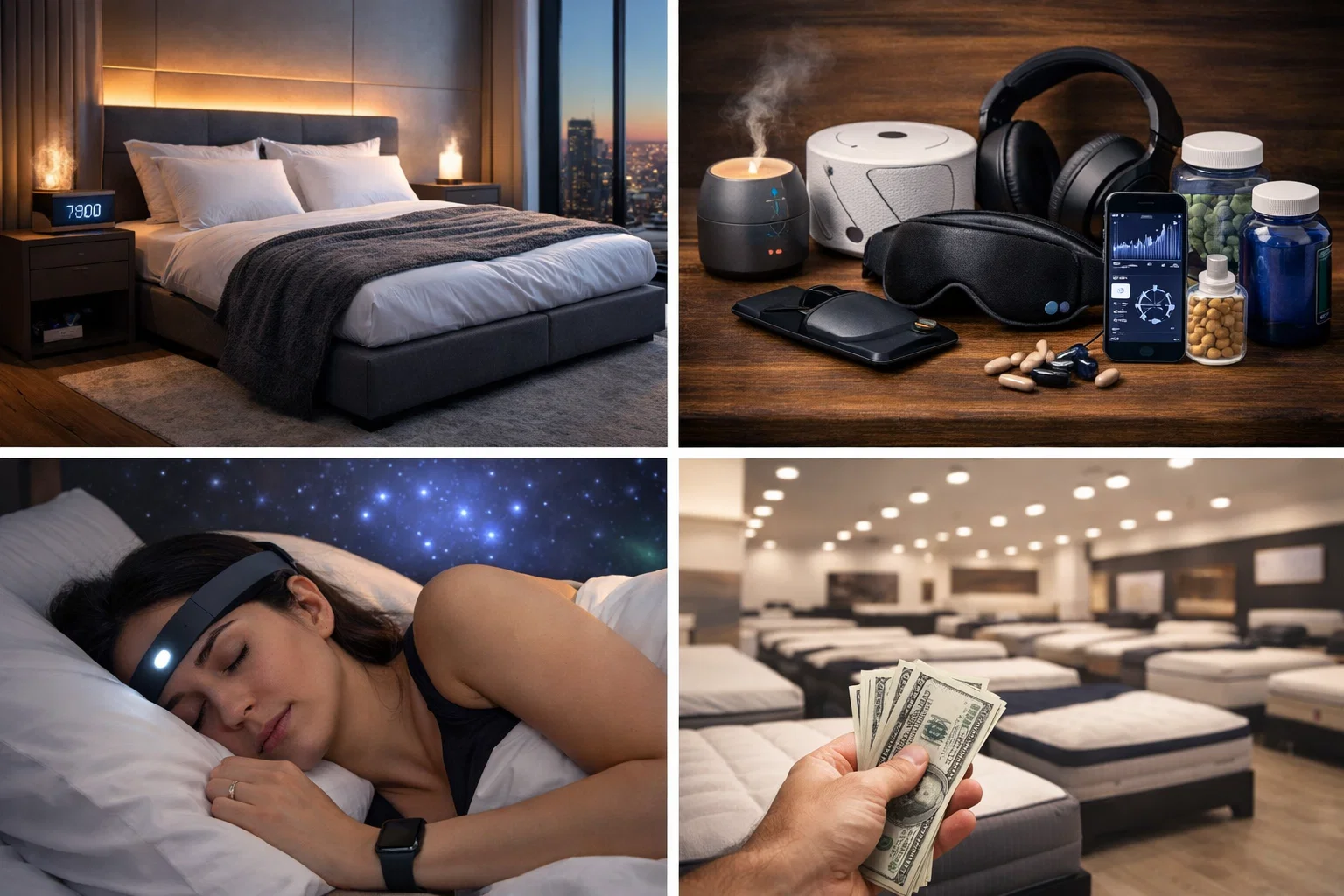
Comparing Free Sleep Hygiene vs. High-Tech Solutions
Compare the benefits of free sleep hygiene practices versus high-tech sleep solutions to determine the best approach for your needs. While high-tech gadgets like sleep trackers and smart beds may offer detailed data, basic sleep hygiene can significantly improve sleep quality. The effectiveness of sleepmaxxing must be weighed against the cost.
Are Sleep Trackers and Smart Beds Necessary?
Consider whether sleep trackers and smart beds are necessary for improving sleep. While sleep tracking can provide insights into sleep patterns, it can also lead to anxiety and orthosomnia. Smart beds may offer personalized adjustments, but they come with a hefty price tag. Assess whether these investments align with your sleep needs and budget before committing.
When Spending More Doesn’t Mean Sleeping Better
Be aware that spending more on sleep aids and gadgets doesn’t always guarantee better sleep. Focus on evidence-based strategies and address any underlying sleep issues with the help of a sleep expert or sleep specialist before investing in expensive solutions. Prioritizing overall sleep health and implementing consistent sleep routines is key to achieving the best sleep.
Sleepmaxxing vs. Biohacking: Are They the Same Thing?

The Overlap Between Performance Culture and Rest Culture
Sleepmaxxing shares common ground with the performance culture, where self-optimization is highly valued. Both emphasize improving various aspects of life, including sleep, for enhanced productivity and well-being. While sleep hygiene has always been important, sleepmaxxing takes it a step further by quantifying and optimizing sleep as a performance metric.
Is Sleep Becoming Another Productivity Tool?
With the rise of sleep tracking and sleepmaxxing, sleep is increasingly viewed as another tool to boost productivity. Instead of merely resting, individuals are now seeking the best sleep possible to enhance their cognitive function and physical performance. This shift raises questions about whether sleep is losing its inherent restorative value and becoming just another aspect of self-optimization.
Expert-Recommended Alternatives to Extreme Sleepmaxxing
Cognitive Behavioral Therapy for Insomnia (CBT-I)
For individuals struggling with persistent sleep problems, Cognitive Behavioral Therapy for Insomnia (CBT-I) is a highly effective alternative to sleepmaxxing. CBT-I addresses the underlying thoughts and behaviors that contribute to insomnia, providing long-term strategies to help you sleep better. It focuses on improving sleep quality without the need for gadgets or extreme measures and can enhance restorative sleep.
Mindfulness and Nervous System Regulation Before Bed
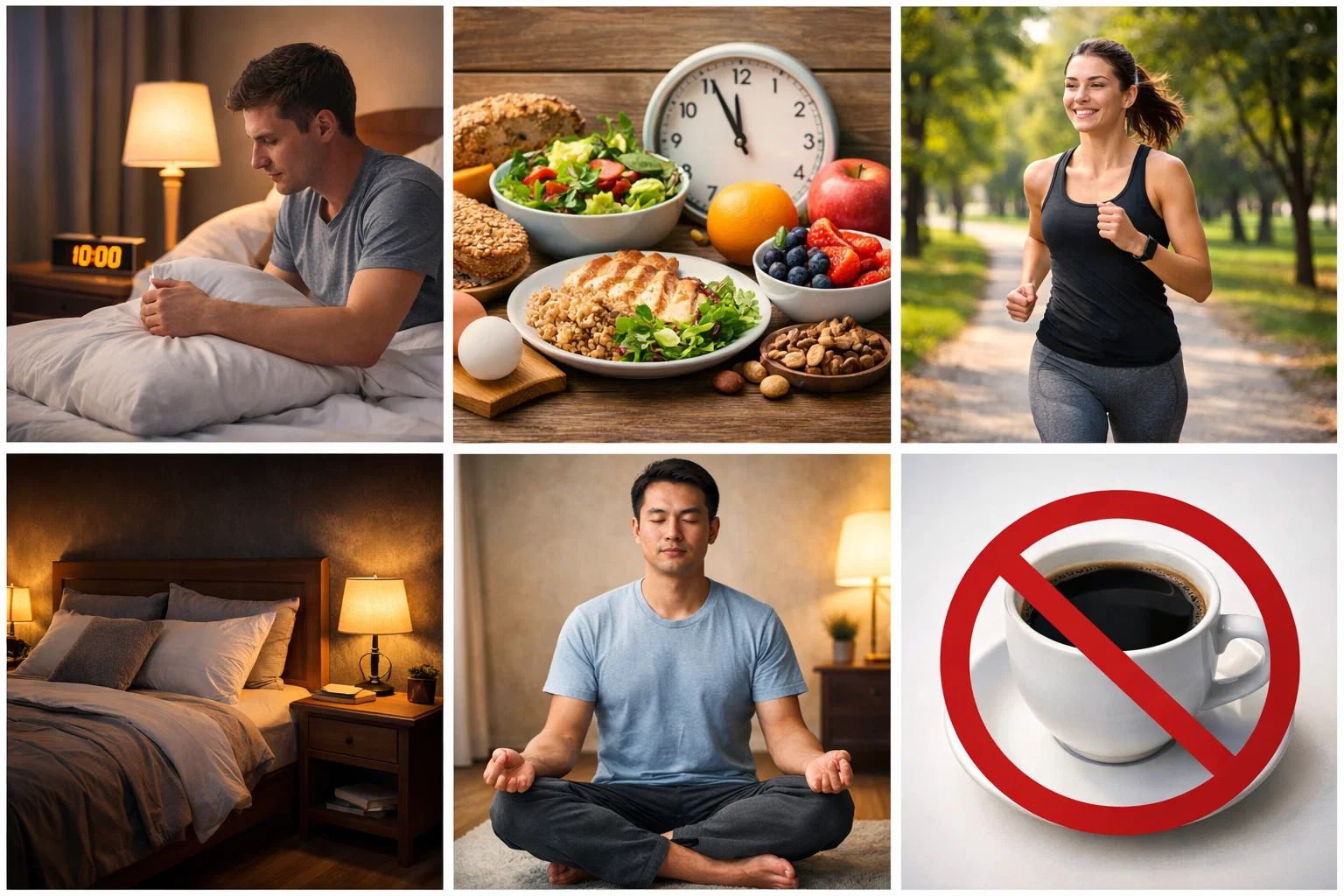
Practicing mindfulness and nervous system regulation techniques can improve sleep without resorting to sleepmaxxing trends. Gentle breathing exercises, meditation, and progressive muscle relaxation can calm the mind and body, promoting relaxation and easing the transition to sleep. These practices address the root causes of sleep issues and foster a consistent sleep routine and can enhance sleep health.
Sustainable Sleep Habits for Long-Term Health
Sustainable sleep habits are crucial for long-term health, offering a balanced approach to sleep that avoids the pitfalls of sleepmaxxing. Prioritizing a consistent sleep schedule, optimizing the sleep environment, and maintaining healthy lifestyle choices can naturally improve sleep quality. These habits focus on overall well-being and consistent sleep and help you sleep better, rather than fixating on achieving perfect sleep through extreme measures.
The Future of Sleep Trends Beyond 2026
AI-Driven Sleep Coaching and Smart Environments
The future of sleep trends may include AI-driven sleep coaching and smart sleep environments, which promise personalized recommendations and automated adjustments to optimize sleep.
These technologies could analyze sleep patterns and provide real-time feedback to improve sleep quality. However, the potential for over-reliance and the need for human oversight remain important considerations to enhance sleep health.
Will Sleepmaxxing Evolve or Fade Out?
It’s uncertain whether sleepmaxxing will evolve or fade out, but the core desire for improving sleep will likely persist. As people seek ways to enhance their well-being, trends may shift towards more sustainable, evidence-based approaches that prioritize long-term sleep health. The focus may shift from sleep hacks to holistic strategies for achieving the best sleep.
Conclusion: Should You Sleepmaxx or Simply Sleep Smarter?
While the allure of sleepmaxxing and its promise of optimizing sleep is strong, a balanced approach focused on sustainable sleep habits and evidence-based strategies is more beneficial. Prioritize basic sleep hygiene, address any underlying sleep issues with a sleep expert, and cultivate a personalized sleep routine that supports long-term sleep health. Choose to sleep smarter, not just sleepmaxx.