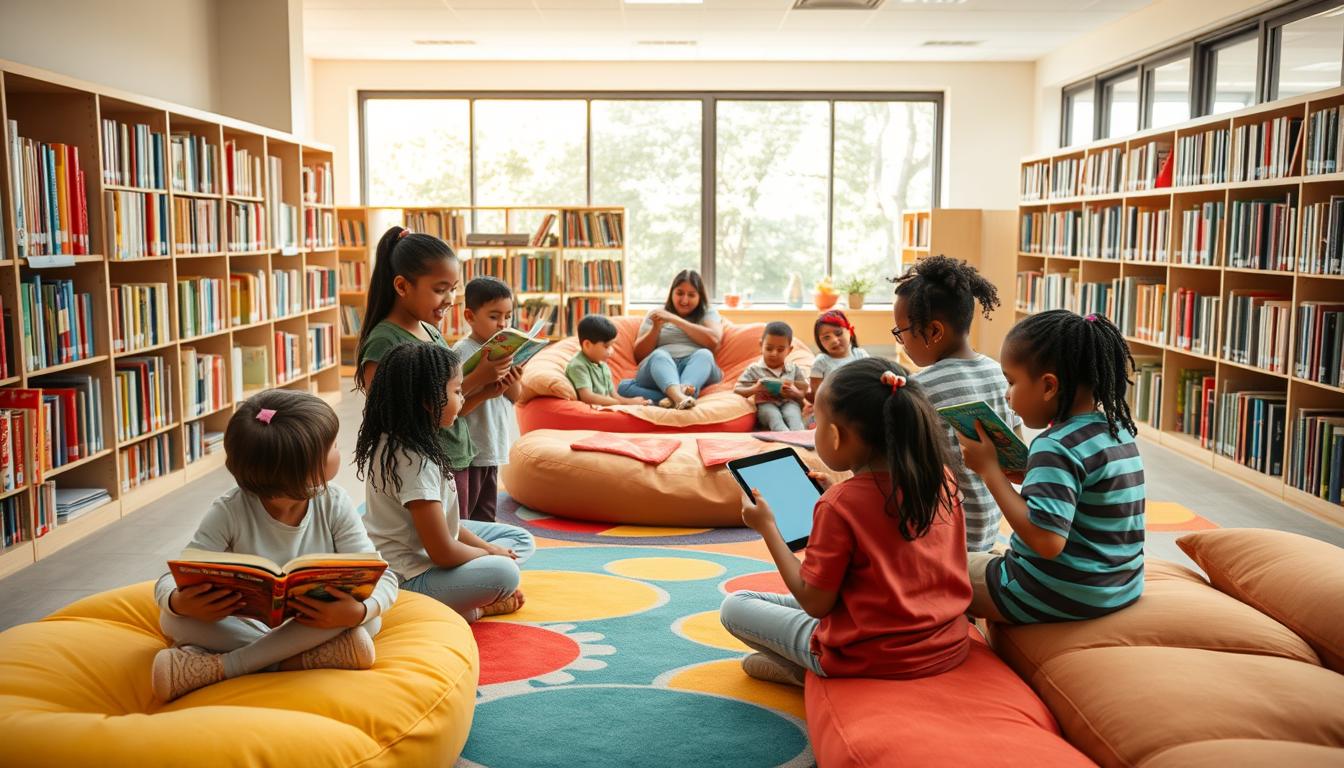
Did you know only 41% of kids ages 12-17 read more than one book a week? This fact from Scholastic shows a big challenge for today’s parents. Making kids love books is key for their brain and heart growth.
The world of reading has changed a lot. Kids used to love books, but now they often prefer screens. But, with the right approach, you can make reading exciting again for your child.
This guide will show you how to make reading fun for your kids. We’ll use tips backed by research to make books appealing to kids of all ages. It’s all about finding the magic in books.
If your child is not into reading or if they already love books, we’ve got you covered. We’ll share tips that are both practical and creative. This article will be your guide to helping your child love reading.
Why Encouraging Reading Is Crucial for Kids
Reading opens a world of possibilities for kids’ minds and hearts. As a parent, I’ve seen how it changes their view of the world. Books are more than fun—they’re key for learning.
Here’s why reading matters for your child:
- Builds critical neural pathways in young brains
- Enhances emotional intelligence
- Expands vocabulary and communication skills
- Develops empathy through diverse storytelling
Benefits of Reading for Cognitive and Emotional Development
Studies show reading’s big impact on kids’ minds. It boosts their thinking and feeling skills. Books help them understand emotions, see things from others’ views, and grow strong.
Reading’s cognitive benefits include:
- Improved memory retention
- Enhanced concentration skills
- Better problem-solving abilities
- Increased creativity and imagination
How Reading Shapes Creativity, Vocabulary, and Academic Success
A worrying fact: many kids struggle with reading. About two-thirds of fourth and eighth graders read poorly. This shows how vital reading is for school success.
Reading does more than teach words. It unlocks kids’ potential. Through books, they learn new words, improve understanding, and love learning more than school.
Start Early: Cultivating a Love for Books from Toddlers to Pre-Teens

Teaching kids to read starts long before they can read words. As a parent, I’ve learned that building a love for books begins early. It takes patience, creativity, and effort to help young readers grow.
Reading with your child is magical. It sparks curiosity and imagination. Kids who read with their families often have better language skills and a love for learning.
Reading Aloud: Building Curiosity and Attention Span
Reading aloud makes stories come alive. Here are some tips to make reading fun:
- Use different voices for characters
- Pause and ask predictive questions
- Repeat favorite books multiple times
- Encourage children to describe pictures
Reading aloud helps kids in many ways:
- It improves their listening skills
- It boosts their vocabulary
- It helps them understand stories better
- It increases their focus
Role Modeling: Letting Kids See Adults Enjoy Reading
Children learn by watching. Seeing adults enjoy books makes reading appealing. Let your kids catch you reading – whether it’s a novel, magazine, or newspaper.
Make your home a place where reading is celebrated. Talk about the books you’re reading, share stories, and show that reading is fun for life.
Choose the Right Books for Your Child
Finding the perfect book can turn reading into an exciting adventure. It’s not just about the reading level. It’s about bringing joy and curiosity to your child’s reading journey.

When looking at children’s book recommendations for 2026, I found some key tips. These help parents make great reading choices:
Understanding Developmental Reading Stages
Each age group needs a special approach to reading. Here’s a quick guide to age-appropriate book recommendations:
- Toddlers (1-3 years): Board books with simple images
- Preschoolers (3-5 years): Picture books with engaging stories
- Early Elementary (6-8 years): Chapter books with short chapters
- Upper Elementary (9-11 years): Middle-grade novels with complex narratives
- Teens (12-15 years): Young adult literature exploring deeper themes
Matching Books with Personal Interests
Reading activities are best when they match a child’s interests. Don’t force classic literature if your child is more excited about graphic novels or comics about their favorite hobby.
Exploring Diverse Reading Formats
Graphic novels and illustrated books can be great for kids who struggle with reading. They offer visual context and make reading less scary. This can lead to a love for traditional books later on.
The main goal is to make reading fun. A child who enjoys reading will naturally improve their literacy skills. They will also develop a lifelong love for learning.
Make Reading Fun and Interactive
Turning reading into an adventure is crucial for reluctant readers. Engaging kids in interactive reading can make books magical. It sparks their imagination and excitement.

Start by creating a welcoming reading space. A cozy corner for family reading can spark interest. It doesn’t need to be fancy—a blanket fort or a special chair works great.
Design a Magical Reading Nook
- Choose a quiet, distraction-free area
- Use soft lighting like string lights or a fun flashlight
- Add comfortable seating like bean bags or floor pillows
- Include personal touches that make the space special
Interactive Book Experiences
Engage kids with educational games and dynamic books. Pop-up books and interactive stories make reading exciting.
Storytelling Beyond the Pages
Extend reading time with fun activities:
- Draw scenes from the story
- Act out favorite characters
- Discuss story elements and character motivations
- Create alternative story endings
Interactive reading experiences can foster a love for books. Keep it playful and fun!
Establish a Consistent Reading Routine
Building reading habits in children means making reading a fun, regular part of their day. It’s all about being consistent and making reading something they enjoy, not a task.
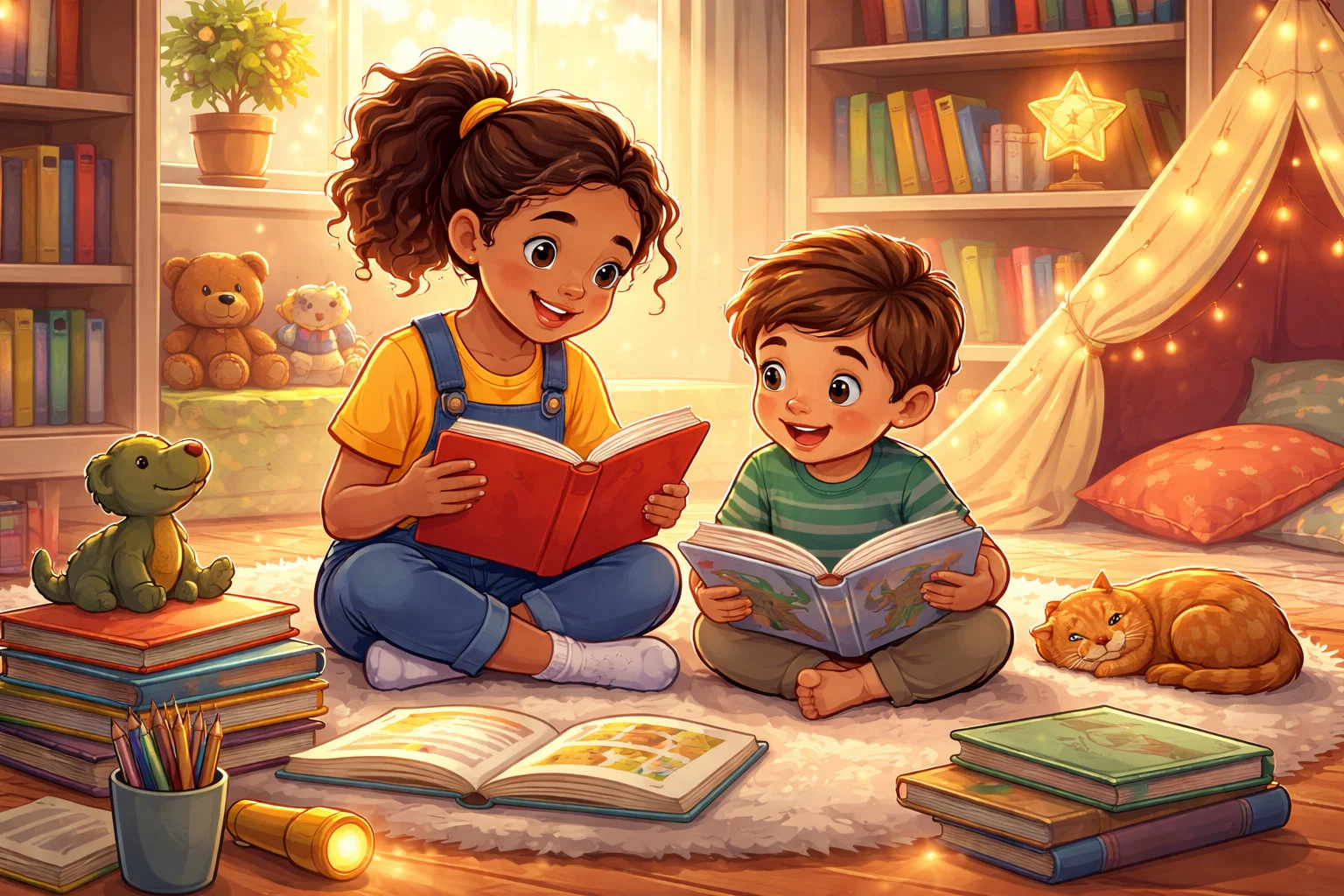
Starting with the right time for reading is key. Every family is different, and finding the perfect time can make reading special.
Discovering the Ideal Reading Time
Bedtime reading is a favorite for many families. These quiet moments before sleep create a peaceful connection between parent and child. But there are other great times too:
- Morning cuddle sessions
- After-school wind-down
- Weekend breakfast moments
- Pre-dinner relaxation time
Starting Small and Building Momentum
Family reading routines don’t need to be long. Start with short, fun 5-10 minute sessions. The goal is to keep them excited and wanting more, not to overwhelm them.
Here are some tips for great reading routines:
- Choose a consistent time
- Create a comfortable reading space
- Let children select books
- Show genuine enthusiasm
The most important thing is to make reading a happy, stress-free experience. This way, children will naturally want to read more.
Integrate Technology to Enhance Reading Experience
Digital reading strategies for kids are changing how they read in 2026. Technology makes reading more fun and interactive for today’s youth. By teaching digital literacy, parents can create exciting reading experiences that spark kids’ imagination and learning.
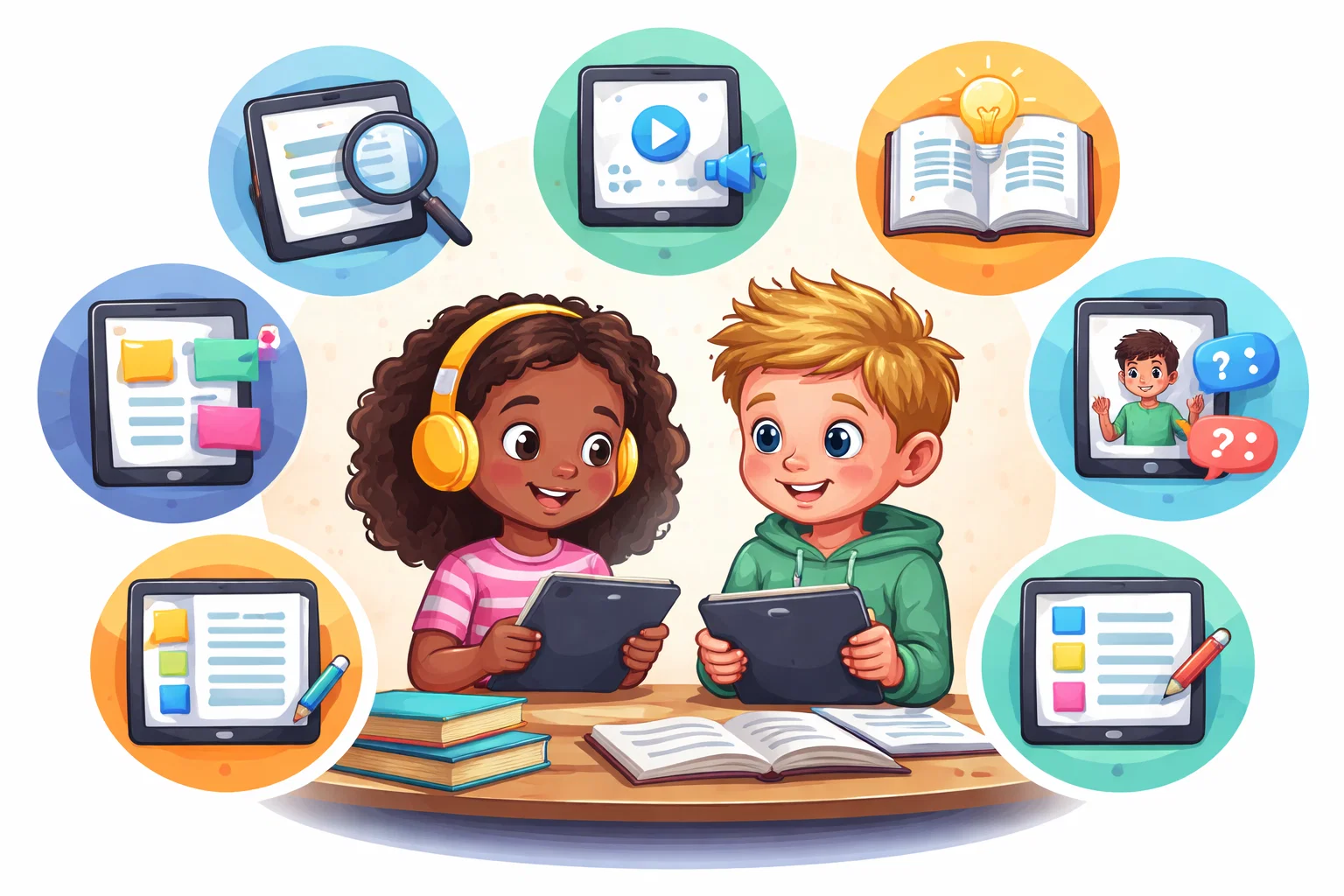
Modern tech offers great tools to help kids read better. The trick is to mix traditional books with digital platforms in the right way.
Audiobooks and E-Readers: A Digital Reading Revolution
Technology can greatly improve kids’ reading skills. E-readers and audiobooks bring unique benefits:
- Adjustable font sizes for easy reading
- Built-in dictionaries to learn new words
- Portable digital libraries
- Engaging interfaces for kids who struggle to read
Enhancing Comprehension through Multimodal Reading
Today’s reading tech supports a powerful method called “Reading While Listening” (RWL). It helps kids link printed words with audio, boosting understanding and confidence.
| Reading Method | Benefits for Kids |
|---|---|
| Audiobook + Print Book | Improved word recognition |
| E-Reader with Dictionary | Instant vocabulary learning |
| Personalized AI Stories | Customized reading experience |
Digital literacy in 2026 means using tech as a reading partner. AI tools can create stories tailored to each child, making reading more fun. By combining technology and reading strategies, parents can open up new ways for kids to learn and enjoy.
Encourage Social Reading and Peer Interaction
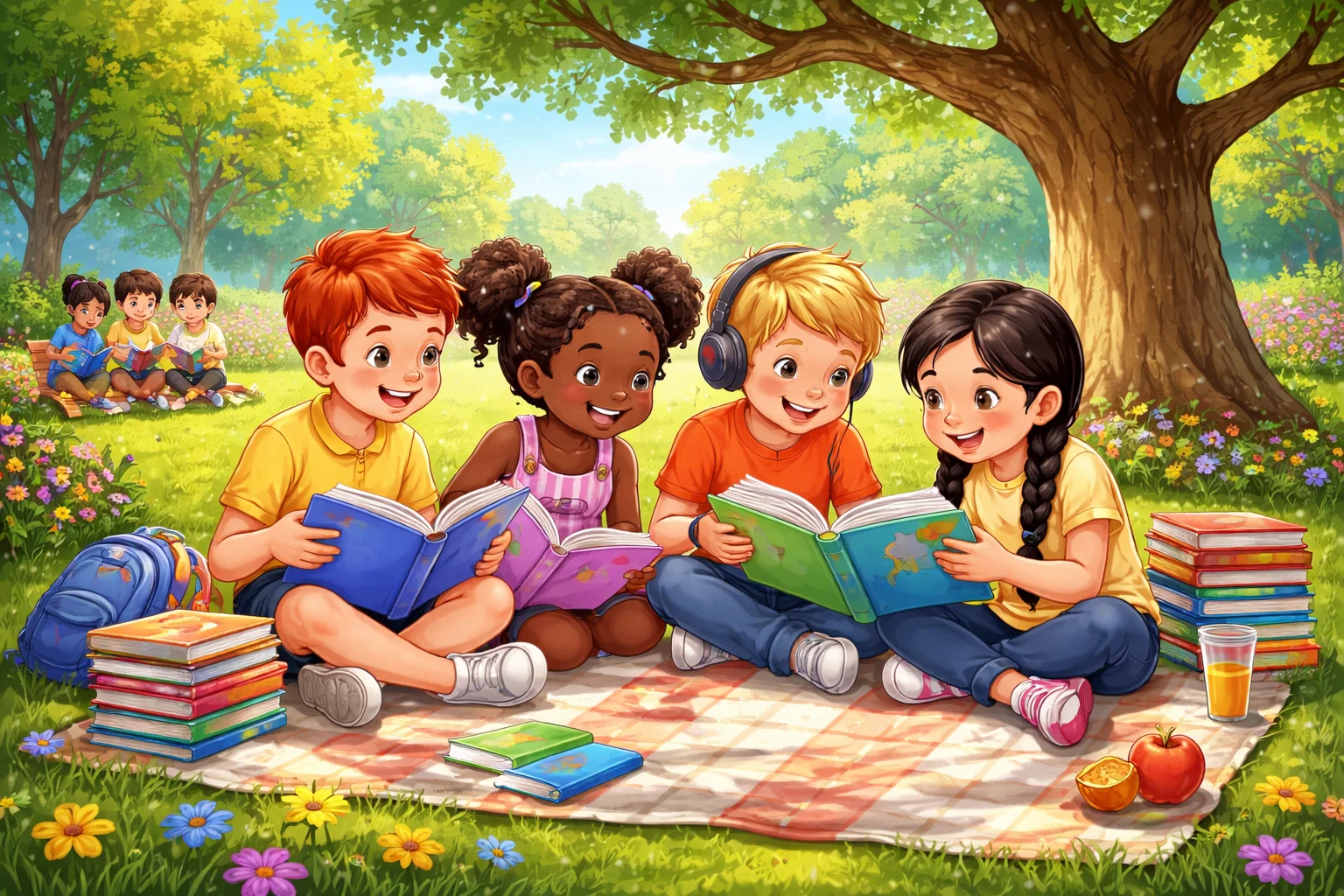
Reading doesn’t have to be alone. By making reading a group activity, we can make it more fun for kids. Today, we focus on how connection and shared stories are key.
Book Clubs and Reading Groups for Kids
Getting kids to read is easier when they can talk about it with friends. Here are some ways to make reading groups fun:
- Start informal book clubs with friends or classmates
- Choose books that spark excitement and discussion
- Make meetings interactive and relaxed
- Allow kids to select books and lead conversations
Library Story Times and Author Events
Local libraries are great for kids to develop their reading skills. They offer:
- Professional storytelling
- New book discoveries
- Meetings with authors and illustrators
- Chances to meet other book lovers
Discussion and Sharing: Making Reading a Social Activity
Turn reading into a fun group activity. Try these ideas:
- Create family reading time where everyone reads together
- Encourage book recommendations among friends
- Share interesting book discoveries during meals
- Host casual book discussion nights
Remember, the goal is to make reading fun, interactive, and social!
Reward and Praise Progress Effectively
Motivating reluctant readers is all about finding the right balance. It’s about using the right techniques to make reading exciting and personal for them.
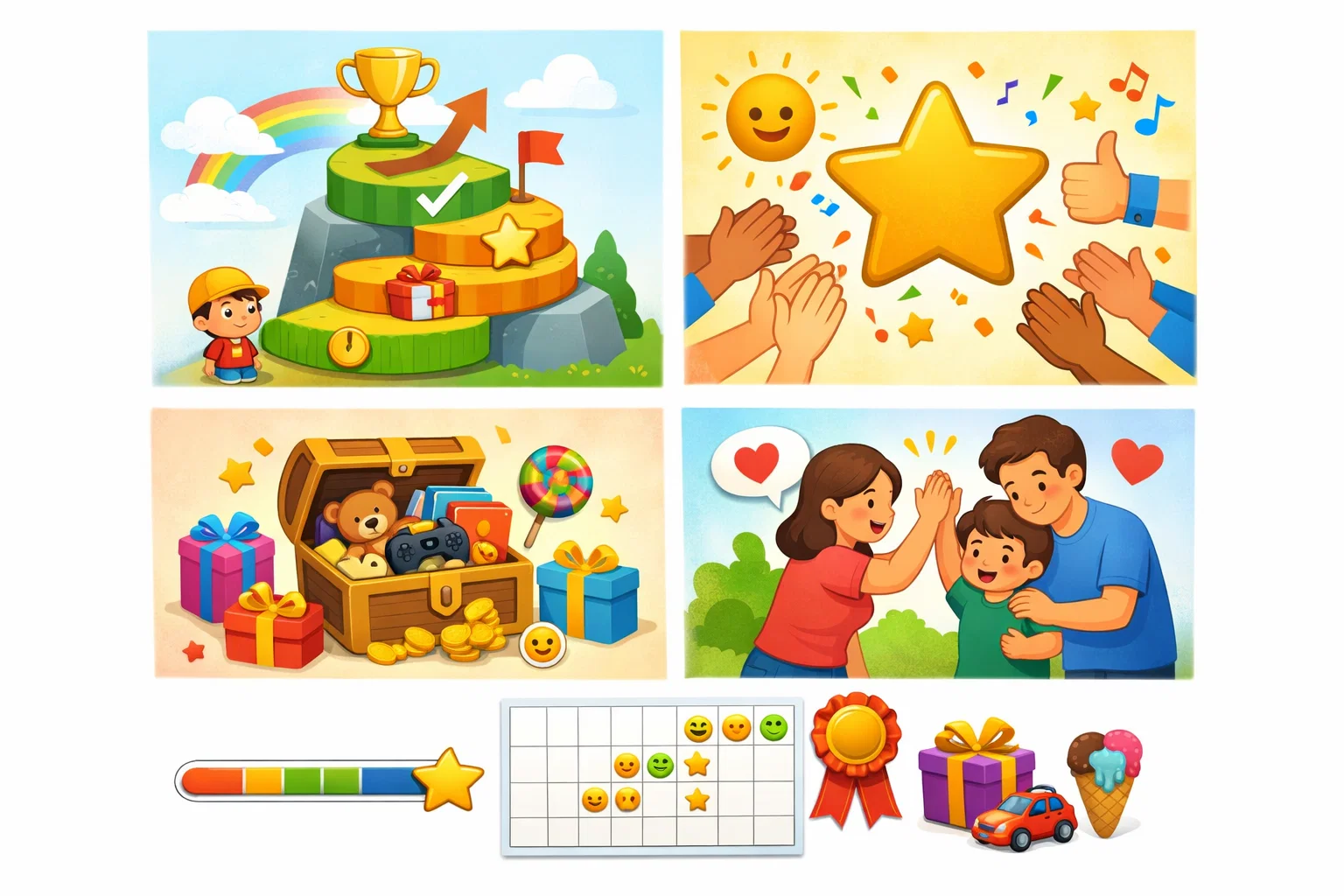
Today’s reading motivation techniques aim to make reading a positive experience. They help kids develop a real love for books, not just for rewards.
Celebrating Reading Milestones
Let’s celebrate your child’s reading wins in fun ways:
- Finishing first chapter book
- Reading consecutive days streak
- Exploring a new genre
- Completing challenging books
Smart Reward Strategies
It’s important to mix up rewards to keep things interesting. Here are some smart ways to reward your child:
| Reward Type | Strategy | Impact |
|---|---|---|
| Non-Material | Extra reading time | Builds intrinsic motivation |
| Experience | Bookstore visit | Reinforces reading excitement |
| Screen Time | Reading before digital time | Creates positive habit |
Pro tip: Nothing motivates kids more than seeing your genuine excitement. When they see how much you love their reading, they’ll want to keep reading too.
Connect Reading to Everyday Life
Reading is more than just books. It’s a skill that makes our daily lives richer. As a parent, I’ve learned that making our homes reading-friendly means showing kids that text is all around us.

Screen time alternatives for kids can be simple. We can turn daily activities into reading moments. Here are some fun ways to bring reading to life:
Practical Reading Everywhere
- Read recipes together while cooking
- Explore instruction manuals when assembling toys
- Navigate maps during family trips
- Decode street signs and store names
- Check grocery store labels
These real-world reading experiences show the value of literacy. They turn reading into an exciting journey. Creating a home reading environment means weaving text into our daily lives.
Connecting Books to Real-Life Adventures
I love helping kids see reading as a way to explore their interests. If your child loves soccer, find soccer books. Planning a trip? Read about your destination. Interested in space? Dive into space books.
By linking reading to their passions, we offer engaging alternatives to screen time. The aim is to show kids that reading is more than schoolwork. It’s a tool for understanding and exploring the world.
A truly reading-friendly home goes beyond just reading books. It’s about embracing text in all its forms.
Common Challenges and How to Overcome Them
Dealing with reading challenges in kids can be tough. Parents face the hard task of getting kids to read more, all while fighting off distractions. It’s important to find ways to make reading exciting again.
Handling Reluctant Readers Without Pressure
Every child learns to read in their own way. When they resist, don’t push them too hard. Instead, make reading a fun and inviting activity. Here are some tips:
- Let children choose their own books
- Read together without criticism
- Explore different book formats like graphic novels
- Create low-pressure reading moments
Maintaining Reading Interest Over Time
To keep reading exciting, be creative. Change up the books, try different genres, and link reading to what your child loves. Make reading feel like an adventure, not a chore.
Balancing Screen Time and Reading Time
Reading and screen time don’t have to be enemies. Set clear rules by:
- Creating device-free reading zones
- Setting specific screen time limits
- Using educational reading apps
- Modeling balanced media consumption
Being patient and consistent is crucial. Every little bit helps in building a love for reading in your child.
Conclusion: Fostering a Lifelong Love for Reading
Helping young readers grow takes dedication and creativity. As a parent, I’ve found that it’s not about being perfect. It’s about making books meaningful to them. Every little thing we do helps build their reading skills.
Every family’s journey to love books is different. We’ve talked about making reading fun, using technology, and reading together. The key is to keep the excitement alive and show kids how reading can take them anywhere.
Reading is more than just reading words. It’s about sparking curiosity and empathy. It helps kids understand themselves and the world. By supporting their reading, we give them a valuable skill for life.
It’s not always easy to raise readers, but your hard work matters a lot. Be patient, trust the process, and celebrate every small victory. Your efforts today are shaping your child’s future, one page at a time.