Did you know that global cocoa production makes over $130 billion every year? We’re diving into the world of chocolate to find out where the best cocoa comes from. It’s a journey through the chocolate industry’s trends and the countries that shape them.
The chocolate world is made up of many countries, each adding its own special touch. By exploring these places, we learn about the hard work and skill that goes into every chocolate bar.
We’ll explore the top 10 countries leading in chocolate production. From West Africa’s green fields to South America’s varied lands, we’ll see how these places are changing how we enjoy chocolate. We’ll look at the countries that produce the most cocoa and set high standards for quality and sustainability.
Our detailed look will highlight countries that are innovating, keeping traditions alive, and meeting the world’s demand for top-notch chocolate. Get ready to explore the exciting world of cocoa production and the countries that make it happen.
The Global Love for Chocolate and Its Origins
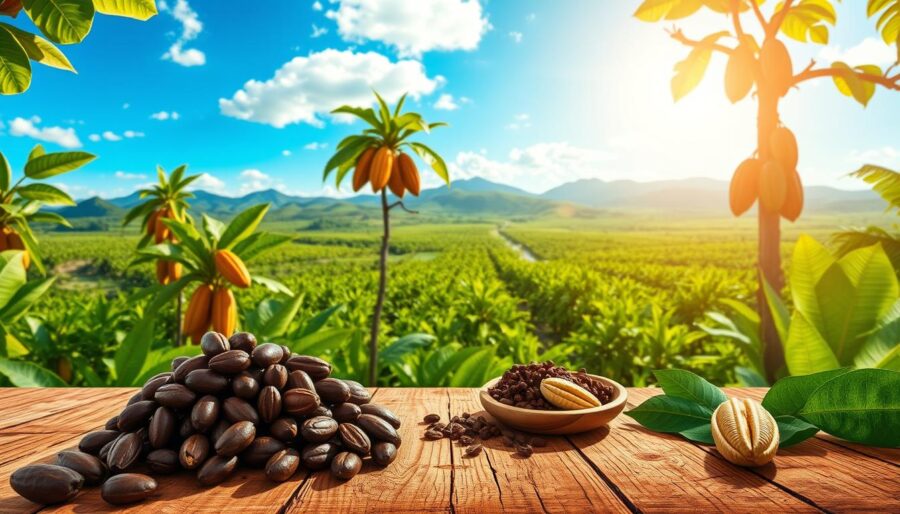
Chocolate is more than a sweet treat. It’s a global phenomenon that supports millions of jobs in tropical regions. It also drives billions in international trade. From small family farms to large agricultural operations, cocoa production is complex and fascinating. It connects cultures and economies worldwide.
Why Cocoa Production Matters for the Chocolate Industry
The chocolate industry depends on a delicate ecosystem. Farmers, traders, and manufacturers all play key roles. Cocoa supports entire communities in tropical countries, creating jobs and sustaining local traditions. Here’s why cocoa production is crucial:
- Provides income for millions of farmers
- Drives economic growth in developing countries
- Supports global food manufacturing
- Creates complex international trade networks
The Connection Between Cocoa Beans and Premium Chocolate
Not all cocoa is the same. The journey from bean to chocolate bar is intricate. Bean variety, growing conditions, fermentation practices, and drying methods all affect the final product’s quality.
Different cocoa bean varieties, like Criollo, Forastero, and Trinitario, offer unique flavors. Artisan chocolatiers choose beans for their rich, complex tastes. The origin of these beans influences the chocolate’s texture, aroma, and overall taste.
Understanding this connection helps chocolate lovers appreciate the hard work behind their favorite treats. This work happens thousands of miles away from where they buy chocolate.
How Chocolate Production is Measured
Chocolate production is a complex process. It starts with growing cocoa beans and ends with making delicious chocolate. This journey turns simple beans into treats loved by millions.
Measuring chocolate production is more than just numbers. Our team looks at many important factors. These factors help us understand the quality and amount of chocolate made.
Cocoa Bean Production Metrics
There are several key metrics in chocolate production:
- Annual harvest volume
- Quality grading of cocoa beans
- Processing efficiency
- Export and domestic consumption rates
Factors Influencing Chocolate Quality
High-quality chocolate comes from a mix of environmental and farming factors. We focus on three main elements:
- Climate Conditions: The right temperature and rain
- Soil Composition: Rich soil for strong cocoa trees
- Farming Practices: Green farming methods
Our studies show that top chocolate producers carefully balance these factors. They make sure every chocolate bar shows their dedication to quality and skill.
#1 Côte d’Ivoire: The Cocoa Powerhouse of the World
Côte d’Ivoire is a small nation in West Africa. It’s a giant in cocoa production, changing the chocolate world. This country is the heart of the global chocolate supply, leading with unmatched skill.
Overview of Cocoa Production Volume
Côte d’Ivoire makes an amazing 2.3 million tonnes of cocoa every year. This is more than a third of the world’s cocoa. Almost every chocolate bar you eat has Ivorian cocoa in it.
The country’s farming skills are so strong. They affect chocolate prices and how much we can get worldwide.
- Total annual cocoa production: 2.3 million tonnes
- Global market share: 40%
- Primary cocoa variety: Forastero
Unique Characteristics of Ivorian Cocoa
The cocoa from Côte d’Ivoire is mostly Forastero beans. They are known for their strong taste. These beans are great for making lots of chocolate, because they taste the same every time.
| Cocoa Characteristic | Ivorian Specification |
|---|---|
| Bean Variety | Forastero |
| Flavor Profile | Strong, Bitter, Consistent |
| Primary Use | Mass-Market Chocolate |
Impact on Global Chocolate Industry
Côte d’Ivoire is key to the chocolate world, despite big problems like deforestation and climate change. A lot of cocoa farms are on protected lands. This shows we need better farming ways.
Farmers make very little money, just $1.20 a day. This is only 5% of what we pay for a chocolate bar.
- Farmer daily wage: $1.20
- Percentage of chocolate bar price: 5%
- Farms on protected lands: 33%
Looking at Côte d’Ivoire’s cocoa shows a mix of big production, economic issues, and chances for better farming.
#2 Ghana: The Source of Rich, Flavorful Cocoa
Ghana is known for its excellent cocoa, showing a deep bond between the country and its main crop. The saying “Ghana is cocoa, cocoa is Ghana” shows how important cocoa is to Ghana.
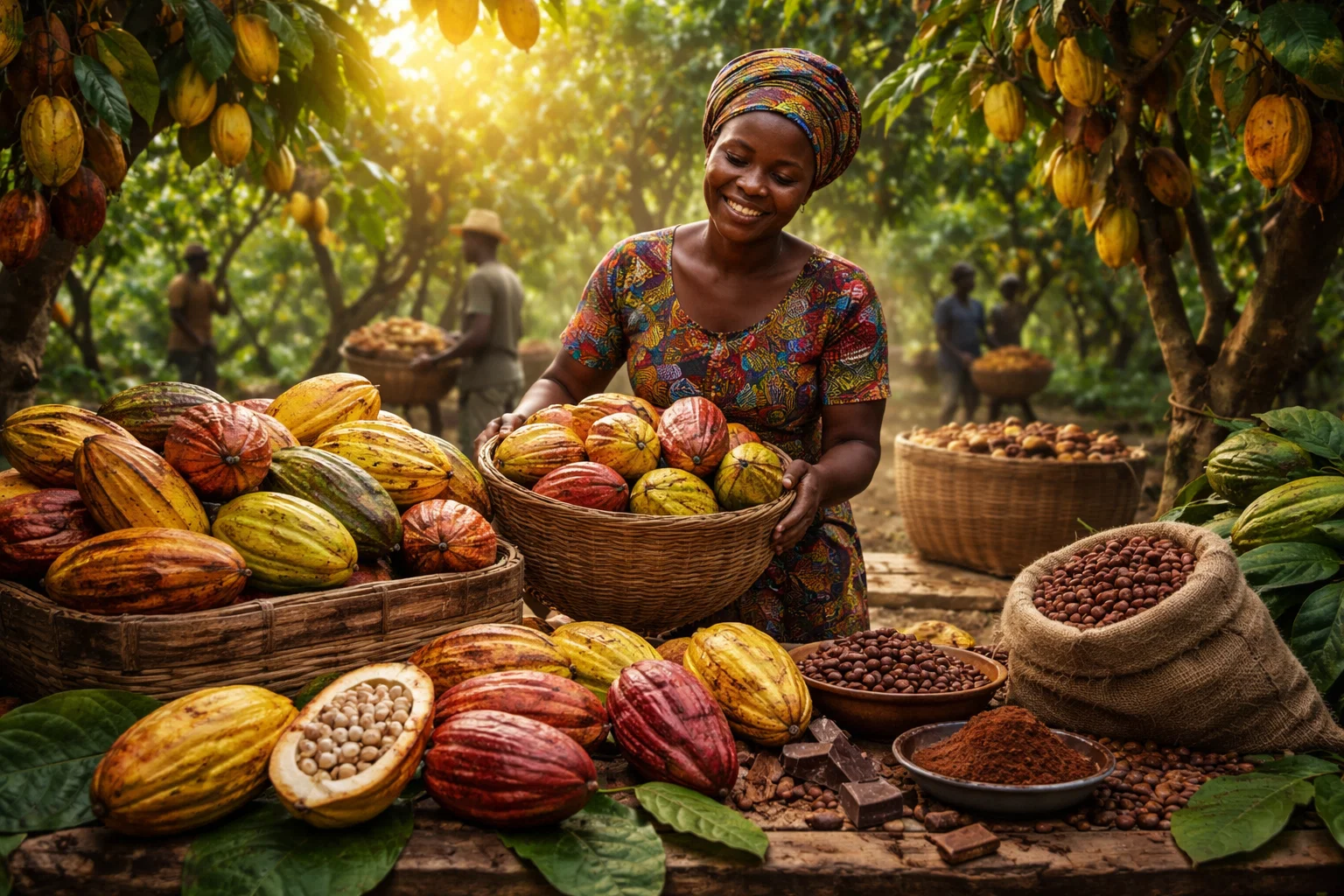
The main cocoa areas in Ghana are Western, Central, and Ashanti. These places are key to Ghana’s success in making top-quality chocolate ingredients.
Cocoa Varieties and Quality Standards
Ghana’s cocoa is special because of its careful farming. Most of Ghana’s cocoa is Forastero, a traditional Amelonado variety. Ghanaian beans are known for:
- Being well-fermented and sun-dried
- Having mild, sweet-fruit smells
- Being perfect for making high-end chocolates
- Having a balanced taste with nutty notes
Contribution to Premium and Industrial Chocolate
Even with drops in production due to disease and weather, Ghana keeps going strong. Production fell from 1.04 Mt in 2020/21 to about 531,000 tons in 2023/24. But, there’s hope for 2024/25 with a forecast of around 700,000 tons.
| Nutritional Profile | Value per 100g |
|---|---|
| Polyphenol Content | High |
| Potassium | 2,509 mg |
| Fiber | 30 g |
Role in Fair Trade and Sustainability Initiatives
Ghana’s Cocoa Board (COCOBOD) is key in keeping quality high. Ghana was the first African country to get ISO certification for traceable cocoa. This shows Ghana’s dedication to fair and sustainable cocoa. The Premium label on Ghanaian cocoa means it meets strict quality standards, making it perfect for chocolate all over the world.
#3 Indonesia: Large-Scale Cocoa Production with Global Reach
Indonesia has become a big name in the world of cocoa. It uses its special lands and growing farms to make a lot of cocoa. The country mixes old farming ways with new tech.
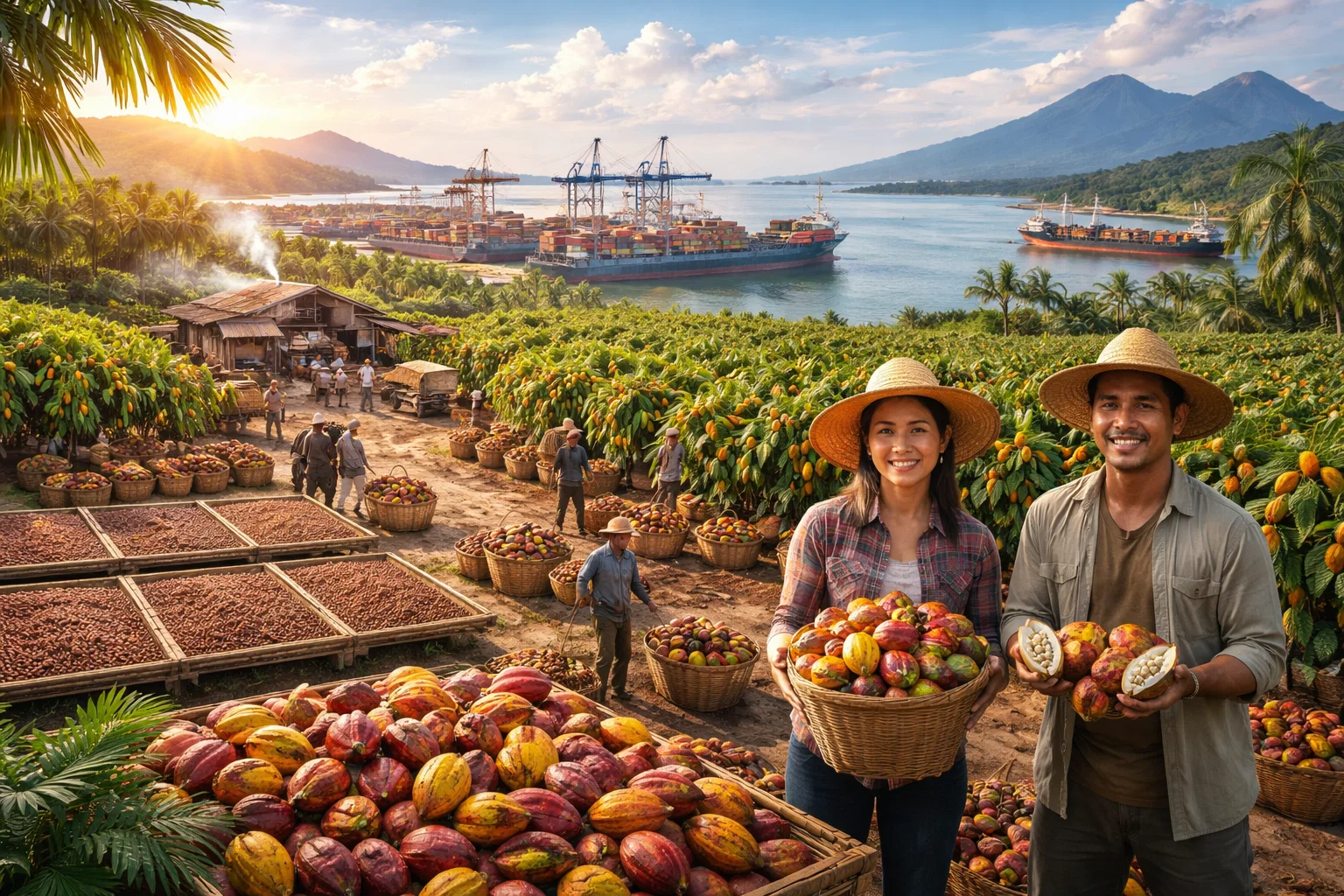
Looking into Indonesia’s cocoa world, we find the Forastero variety is key. It has earthy, woody tastes and smoky hints from drying over fire. Even though these beans aren’t called “fine flavor,” they’re vital for making chocolate worldwide.
Key Cocoa-Producing Regions
Indonesia’s main cocoa spots are:
- Sulawesi: The top cocoa island
- Sumatra: A big cocoa area
- North Sumatra: Home to lots of cocoa farms
Export Patterns and Market Dynamics
In 2023, Indonesia sent out cocoa beans worth $47 million. This shows it’s a big player in the global market. The country is not just a bean exporter but also a processor, with lots of grinding facilities at home.
But, Indonesia faces issues like uneven fermentation. Cocoa Life, a big program with over 31,000 farmers, tries to fix these problems. It also supports farming that’s good for the planet.
Even with its current hurdles, Indonesia is seen as a rising star in cocoa. It’s working hard to grow and get better at farming and competing globally.
#4 Ecuador: Home of Fine-Flavor Arriba Nacional Cocoa
Ecuador is a gem in the world of premium chocolate. It’s known for producing some of the finest cocoa beans. This South American nation is a treasure trove for chocolatiers looking for unique flavors.
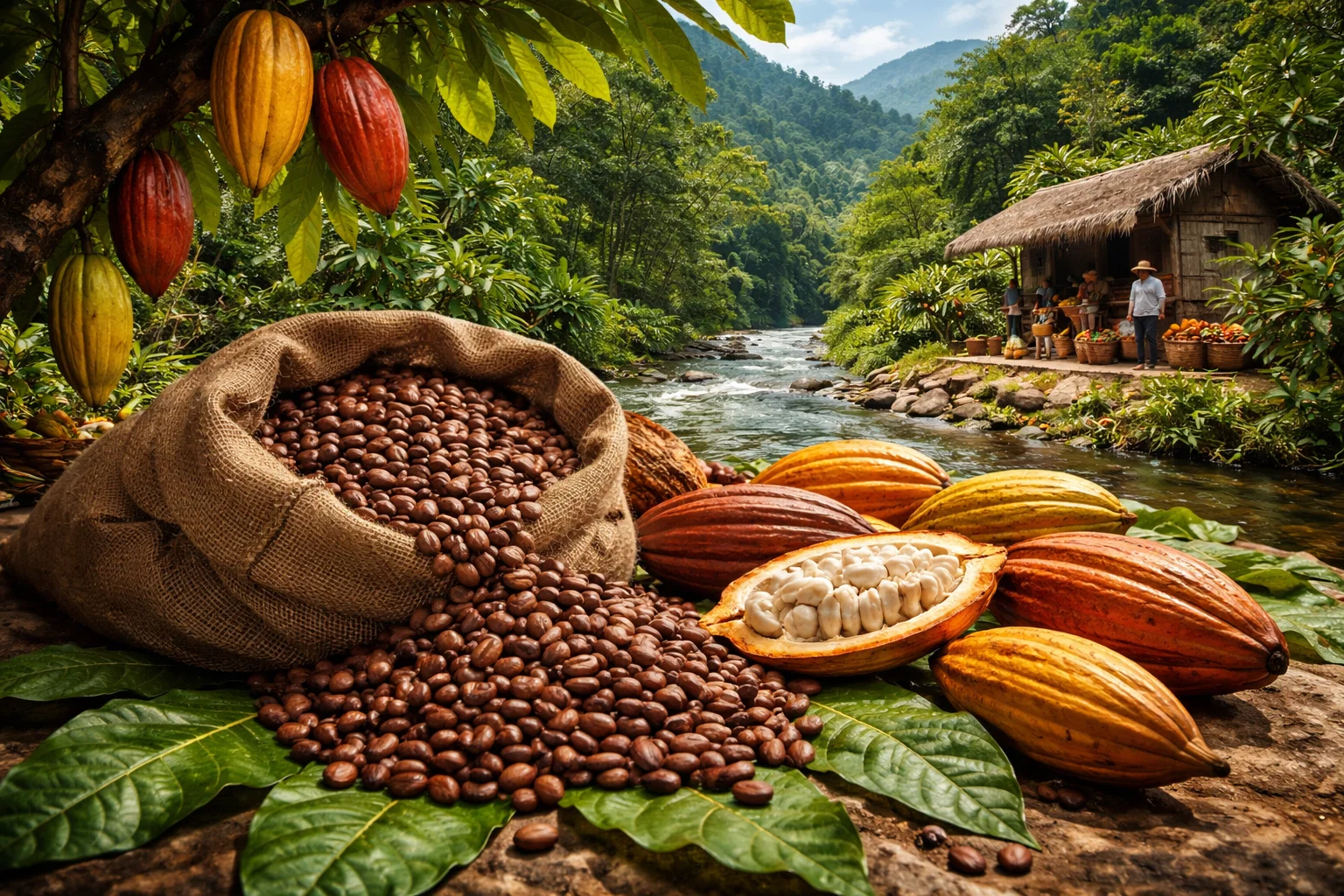
The magic of Ecuadorian cocoa starts with its geography. Volcanic soils in the Andes and the Amazon basin’s rich biodiversity create a special terroir. This terroir gives the beans unique characteristics that chocolatiers love.
Unique Flavor Profiles for Artisan Chocolate
Ecuadorian cocoa offers a unique taste experience. You’ll find:
- Delicate floral notes of jasmine
- Subtle orange blossom undertones
- Intriguing spicy hints
- Rich, fruity undertones
Global Recognition Among Chocolatiers
Craft chocolate makers around the world seek Ecuadorian beans. They love the beans’ exceptional quality. The beans are processed carefully, including 5-7 days of fermentation in wooden boxes. This creates a complex flavor.
| Cocoa Production Metric | Ecuador’s Statistics |
|---|---|
| Families Dependent on Cocoa | 150,000 |
| Export Percentage | 85% |
| Cocoa Butter Content | Higher than Average |
| Global Chocolate Market Impact | Premium Quality Leader |
Ecuador’s cocoa is all about quality, not just quantity. It has more cocoa butter for smoother textures and more antioxidants. These beans are the best in chocolate making.
#5 Brazil: Balancing Volume and Specialty Cocoa
Brazil is a key player in the chocolate world. It mixes big production numbers with top-notch cocoa quality. The country’s cocoa farms cover many areas, each adding its own special flavors.
These flavors are known for their wine-like acidity and fruity tastes, like tropical fruits.
The Brazilian cocoa scene is very diverse. Important cocoa areas include:
- Bahia: The historical heartland of cocoa production
- Pará: Emerging region with Amazonian hybrid varieties
- Espírito Santo: Growing specialty cocoa cultivation
Cocoa Varieties and Flavor Complexity
Brazilian cocoa is known for its wide variety. Farmers grow many types, including:
- Forastero: Dominant commercial variety
- Trinitario: Blended hybrid with enhanced flavor characteristics
- Amazonian hybrids: Unique local cultivars with nutty undertones that vary by terroir
Market Dynamics and Global Positioning
Brazil sends out about 50,000 tonnes of cocoa each year. At the same time, it’s building a strong chocolate industry at home. Its cocoa beans are packed with nutrients like selenium, magnesium, and flavonoids.
This makes them popular worldwide and among health-focused buyers.
Looking to the future, Brazil might hit 400,000 tonnes by 2030. This would make it a major player in the global chocolate market.
#6 Cameroon: African Cocoa with Growing Global Influence
Cameroon is becoming a big name in the chocolate world. It shows great promise in cocoa production. The country is known for its innovative farming and quality improvements.
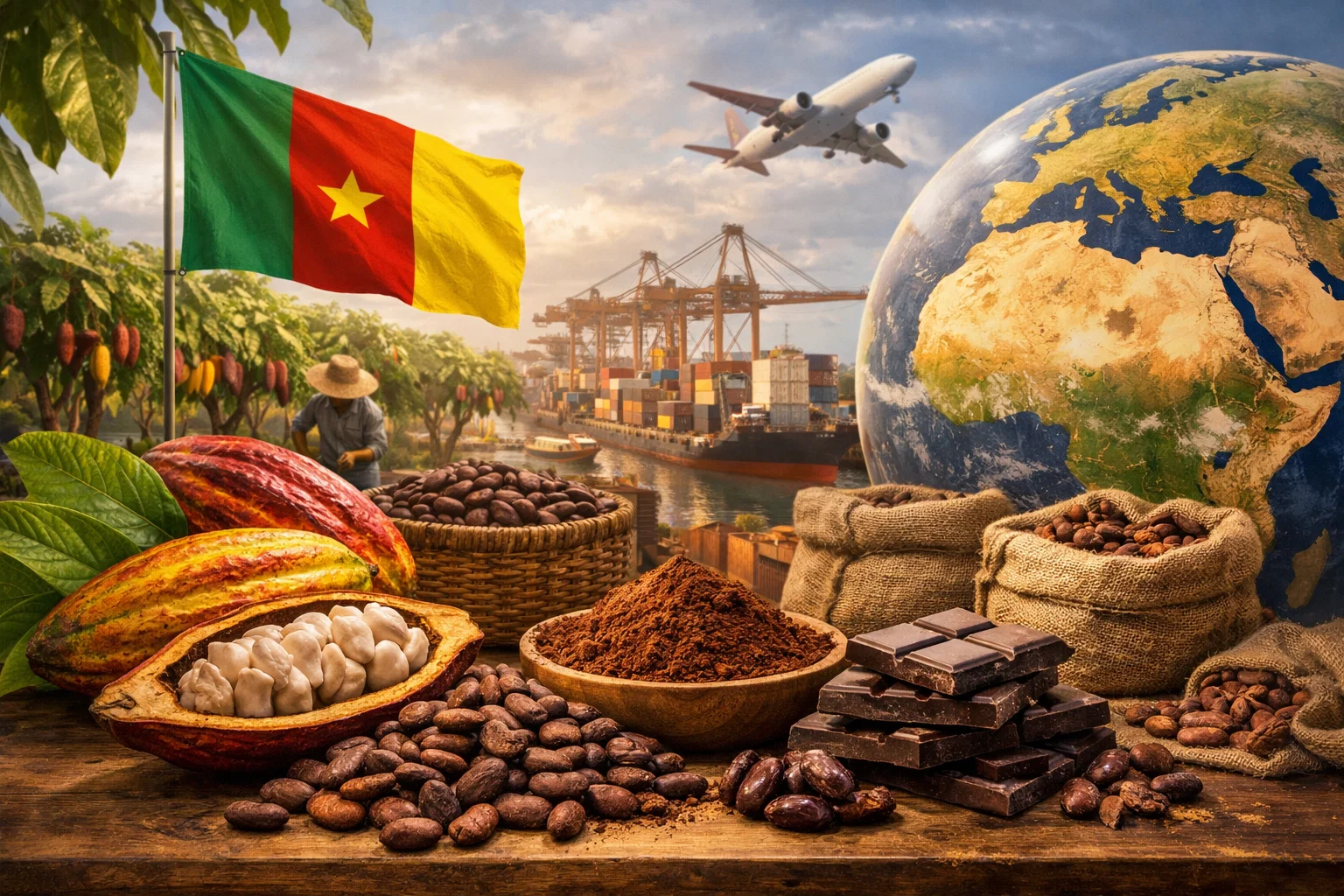
Cameroon’s cocoa is special because of its Forastero variety. These beans have a unique taste with mild acidity and a deep cocoa flavor. They are perfect for making blends and baked goods.
Cocoa Production Trends and Key Regions
Since 2017, Cameroon has changed its cocoa production strategy. The new plan focuses on three main areas:
- Operational efficiency
- Sustainable farming practices
- Stakeholder collaboration
The main cocoa-producing areas in Cameroon are:
- Center Province
- South Province
- Southwest Province
Increasing Role in Quality Chocolate Markets
Cameroon is different from its neighbors because it processes a lot of its cocoa at home. This lets the country make valuable products like cocoa butter and powder for export.
The cocoa from Cameroon is also very nutritious. It has lots of phosphorus for strong bones and balanced flavonoids. More and more chocolate buyers around the world are noticing these high-quality beans.
Despite some challenges like infrastructure and market access, Cameroon is making good progress. It’s on its way to becoming a major player in the global chocolate market.
#7 Peru: Rising Star for Fine Chocolate
Peru is now a big name in premium chocolate. It’s changing the game with its top-notch cocoa and green practices. Let’s explore how Peru is leading the way in quality, creativity, and caring for the planet.
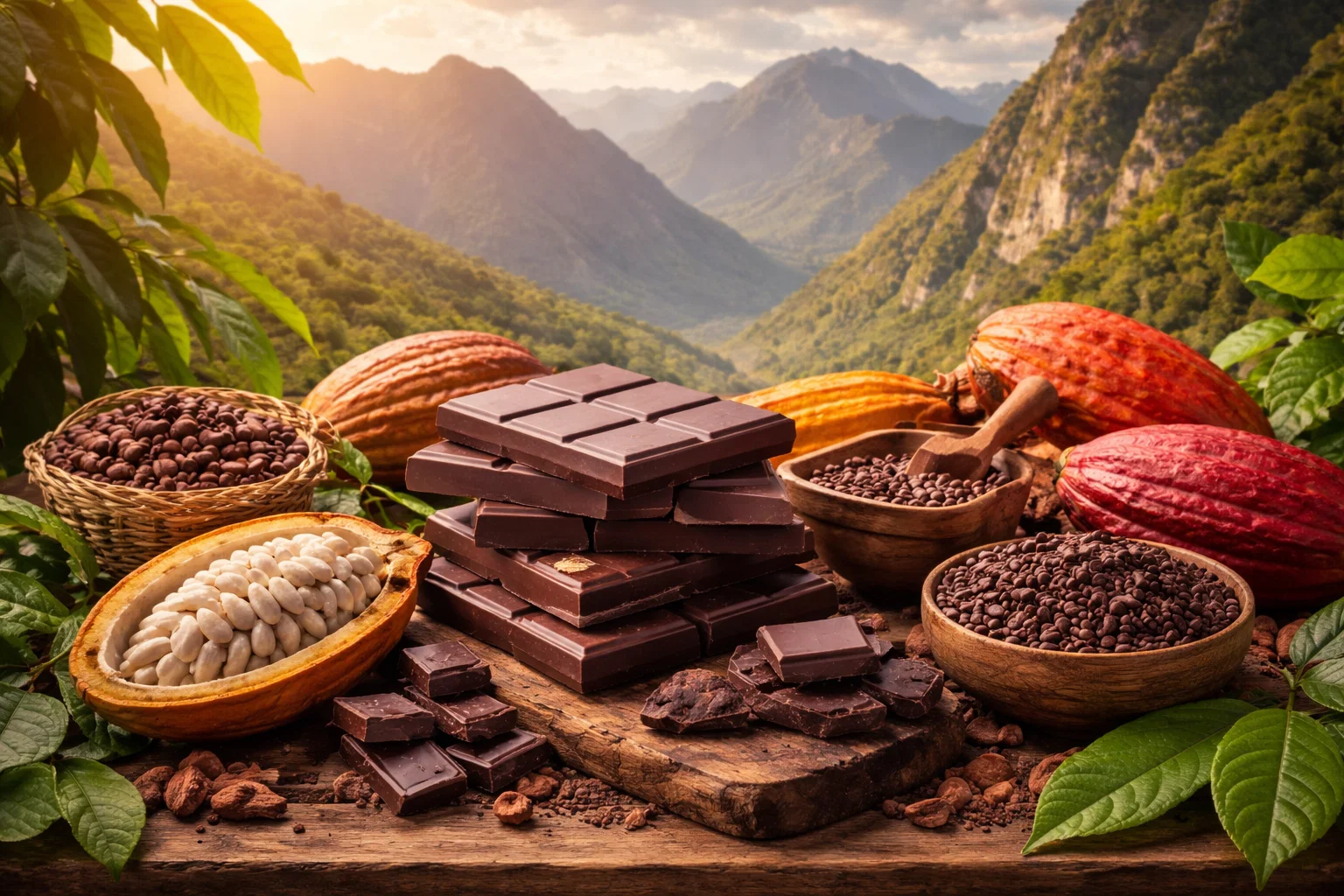
The Amazon and Andes in Peru create amazing cocoa. These Theobroma cocoa beans have flavors that chocolatiers love. They come from the unique Criollo and Trinitario varieties.
Organic and Specialty Cocoa Varieties
Peruvian cocoa is known for its special tastes:
- Fruity notes of mango and citrus
- Earthy undertones from rich volcanic soils
- Delicate floral aromatics
- High manganese content for metabolic health
Impact on Global Artisan Chocolate Trends
Peru is a hit with craft chocolatiers. It’s all thanks to its organic and fair-trade focus. Even with pests and climate change, cocoa growth is expected to rise 2-5% each year until 2030.
Our study shows Peru’s success. It’s all about quality and caring for the planet, not just making lots of chocolate. Peru leads in unique flavors and ethical farming, inspiring the chocolate world.
#8 Dominican Republic: Leader in Organic and Fair-Trade Cocoa
The Dominican Republic is a top spot for specialty cocoa. It’s known for its sustainable farming and high-quality beans. This small Caribbean nation has made a big name for itself in the chocolate world.
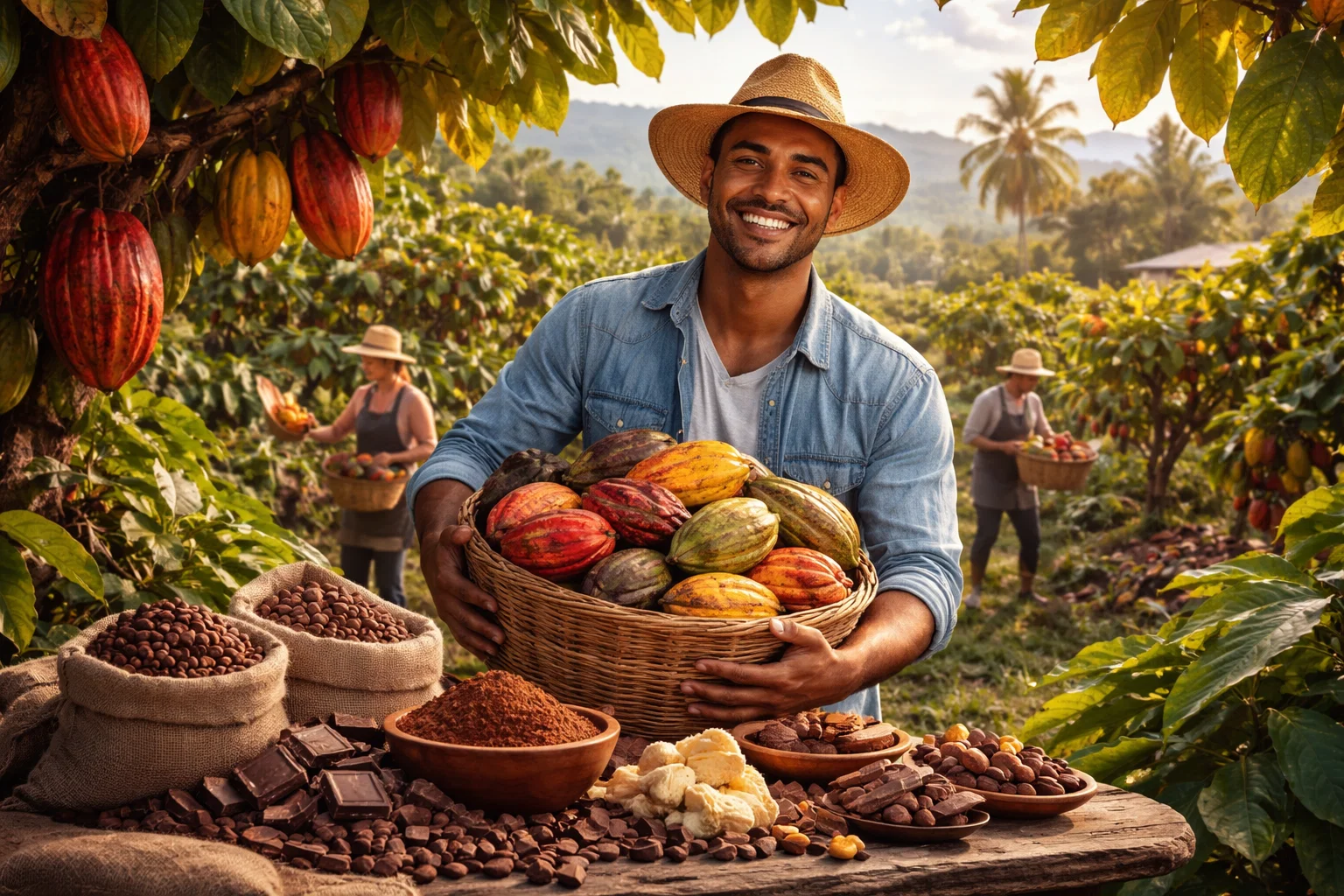
Let’s dive into the Dominican Republic’s amazing cocoa scene. It’s all about the Trinitario variety, loved by chocolate makers everywhere. The island’s perfect weather and soil make it ideal for growing great cocoa.
- Tropical climate with consistent temperatures
- Rich volcanic soils providing essential nutrients
- Adequate rainfall supporting optimal crop growth
- Sustainable farming practices
Commitment to Sustainable Cocoa Farming
Dominican cocoa farmers care deeply about the environment and their communities. They focus on ethical sourcing, aiming for organic and fair trade. This approach sets them apart.
Contribution to Specialty Chocolate Industry
Craft chocolatiers love Dominican beans for their quality and where they come from. The cocoa sector is growing fast, with a 4.4% increase expected by 2029. This shows that being sustainable and high-quality can help small producers succeed.
The Dominican Republic shows how focusing on cocoa can turn a small sector into a global leader in chocolate.
#9 Switzerland: Chocolate Manufacturing Excellence
Switzerland leads the world in chocolate making. It turns top-quality cocoa beans from places like Ghana, Ecuador, and the Dominican Republic into famous treats. Even though it doesn’t grow much cocoa itself, Switzerland is a master at making chocolate.
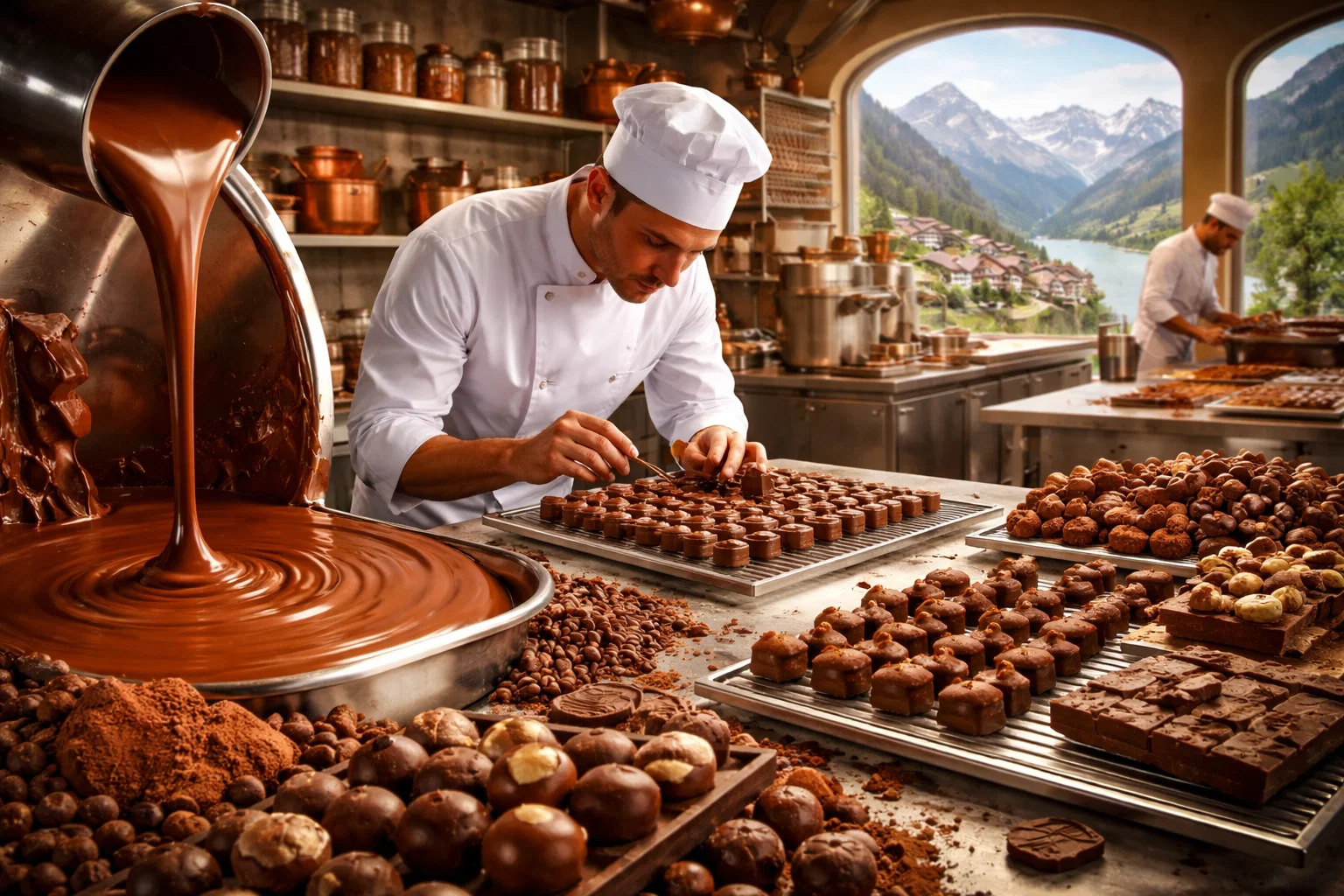
Swiss chocolate is known for its high quality and is priced as such. The chocolate industry is a big part of Switzerland’s economy. It helps through exports, tourism, and strong brands.
Famous Brands and Product Innovation
- Lindt & Sprüngli: Known for smooth, rich chocolate textures
- Toblerone: Iconic triangular chocolate with unique mountain-inspired design
- Nestlé: Global chocolate and confectionery powerhouse
Manufacturing Techniques that Set Switzerland Apart
Swiss chocolate makers show that making chocolate is more than just growing beans. They use advanced methods like conching. This process mixes and heats chocolate for a long time to improve its taste and feel.
| Manufacturing Technique | Purpose | Unique Swiss Contribution |
|---|---|---|
| Conching | Texture refinement | Developed world’s smoothest chocolate |
| Precision Tempering | Crystal structure optimization | Creates glossy, crisp chocolate finish |
| Bean Selection | Flavor profile development | Imports highest quality beans globally |
Our look into Switzerland’s chocolate world shows its industry is all about making. It proves that making chocolate is just as important as growing cocoa beans.
#10 Belgium: Premium Chocolate Craftsmanship
Belgium is known worldwide for its top-notch chocolate. It’s a place where chocolate making is an art form. Here, chocolatiers are famous for their skill and focus on quality.
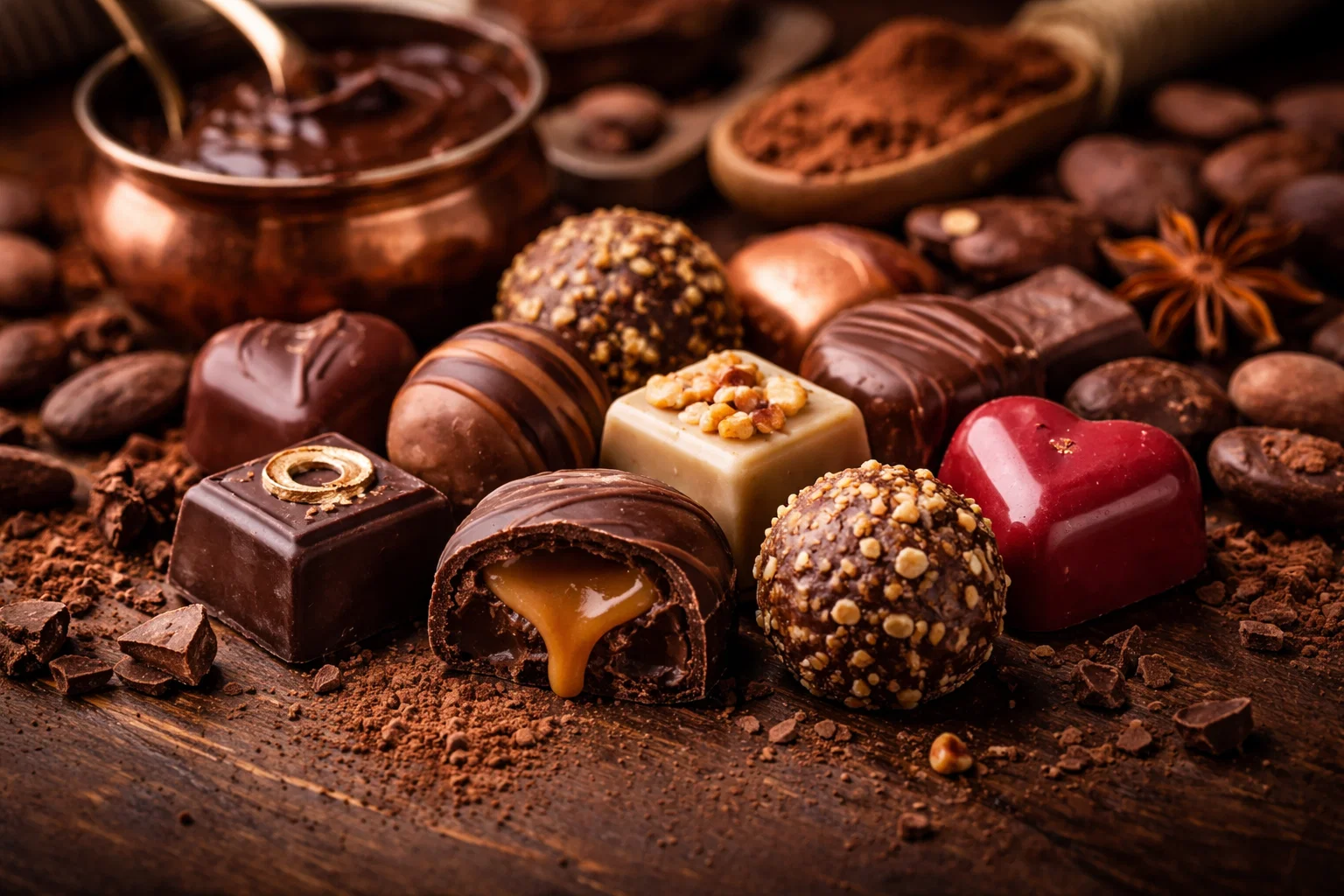
Chocolate in Belgium is more than just a sweet treat. It’s a tradition passed down through generations. The country’s chocolate makers turn cocoa beans into amazing foods.
Global Reputation for High-Quality Chocolate
Belgian chocolate is famous for its high standards and careful making. It has:
- Minimum 35% cocoa content in pure chocolate
- Strict rules on ingredient purity
- Traditional handcrafting techniques
- Smooth, rich flavors
Blend of Imported Cocoa and Artisan Techniques
Belgian chocolatiers use special ways to make chocolate:
- Precise temperature control during tempering
- Small-batch production
- Innovative flavor mixes
- Keeping traditional recipes alive
We see Belgium’s big role in chocolate culture. Every praline and truffle shows their passion, skill, and quality.
Factors That Make These Countries Excel in Chocolate Production
The world of chocolate is a mix of art, science, and nature. We find out what makes some countries stand out in chocolate making. It’s about geography, tradition, and new ideas coming together.
Optimal Growing Conditions for Premium Cocoa
Great chocolate starts with the right environment. Top cocoa countries have special features:
- Tropical climates near the equator
- Enough rain and humidity
- Soil rich from volcanoes
- Temperatures between 60-70°F
Manufacturing Techniques That Define Quality
Turning raw cocoa into fine chocolate needs special skills. Old ways meet new tech, making unique tastes. This is what makes some countries’ chocolate special.
- Traditional fermentation
- Modern sorting and picking
- Exact roasting
- Advanced grinding and mixing
Commitment to Sustainable Chocolate Production
Top chocolate makers focus on doing the right thing. They support fair trade, care for the environment, and help farmers. This keeps chocolate quality high and farming sustainable.
Our look into chocolate shows that the best comes from nature, skill, and a strong focus on quality.
How to Choose Chocolate Based on Origin
Finding the perfect chocolate is like an art. It mixes your taste with knowledge of where the beans come from. Our guide will show you how to pick chocolate, exploring flavors and making choices that matter.
Understanding Cocoa Labels and Origins
Cocoa beans are from three main types: Criollo, Forastero, and Trinitario. Each type has its own taste that changes how you enjoy chocolate:
- Criollo: Rare, delicate flavor with subtle complexity
- Forastero: Robust and intense, most common worldwide
- Trinitario: Hybrid variety combining best traits of both
Matching Chocolate Taste to Personal Preferences
Your chocolate journey starts with the origin and how it’s made. Here’s a guide to help you choose:
- Fruity, Bright Chocolate: Choose Madagascar or Ecuadorian beans
- Deep, Robust Chocolate: Select West African (Ghanaian or Ivorian) beans
- Complex, Wine-Like Flavors: Seek Brazilian or Peruvian origins
- Mild, Nutty Chocolate: Try Indonesian or Central American beans
Supporting Ethical and Sustainable Brands
When picking chocolate, look for important certifications. They show quality and fair practices:
- Fair Trade Certification
- Rainforest Alliance
- UTZ Certified
- Organic Verification
Here are some tips for finding great chocolate. Read ingredient lists, check how brands source, visit specialty shops, and try single-origin bars. This will help you grow your taste.
Conclusion: Exploring the World Through Chocolate
Chocolate is more than a sweet treat. It’s a journey around the world. It connects tropical farms in places like Côte d’Ivoire, Ghana, Indonesia, and Ecuador with chocolate lovers everywhere.
The story of chocolate is deeply human. Millions of farming families rely on cocoa. They turn raw beans into a culinary art that crosses cultural lines. Each chocolate bar is a story of international collaboration.
The chocolate industry faces big challenges, like climate change and sustainability. But, there are positive signs. Countries like Indonesia and Brazil are growing, and there’s more focus on fair trade and organic production.
We encourage you to join this tasty global story. Try single-origin chocolate bars and learn about how they’re made. Support brands that care about quality, sustainability, and fair pay for farmers. By choosing wisely, we can help make the chocolate world better, one delicious bite at a time.