
Welcome to the world of modern homeschooling, where learning happens beyond the traditional classroom. This guide is designed for homeschooling parents seeking practical tips and strategies to create a fulfilling and effective learning environment for their children at home. We’ll explore everything from establishing a routine to leveraging technology, ensuring your homeschooling journey is both rewarding and manageable. Let’s dive in!
The Rise of Modern Homeschooling

Why More Families Are Choosing Homeschooling Today
More and more families have chosen to homeschool, seeking customized education that caters to each child’s learning style. Many parents find that homeschooling allows them to address specific needs or interests, fostering a deeper engagement with school subjects.
The flexibility of a homeschool schedule is also a significant draw, accommodating various work from home situations and allowing for personalized learning experiences.
Common Challenges and How Smart Strategies Can Help
Homeschooling moms often face challenges like managing time, balancing multiple grade level needs, and preventing burnout. Homeschooling tip number one: establishing a solid homeschool routine is crucial.
It’s vital to find a system that includes time limits for various tasks, incorporates breaks, and provides opportunities for children to be independent. Effective planning and resourcefulness are key to overcoming these hurdles.
Establishing an Effective Homeschool Routine

Creating a Flexible but Consistent Daily Schedule
A successful homeschool day hinges on a flexible but consistent homeschool schedule. While adaptability is essential, maintaining a regular structure provides children with security and predictability. Start with core subjects, integrate electives based on the child’s interests, and remember to schedule regular breaks. This approach helps manage screen time and ensures that the school day is both productive and enjoyable.
Balancing Core Subjects, Electives, and Breaks
Balancing core subjects with electives allows for a well-rounded education. Core subjects provide a solid foundation in essential knowledge, while electives allow kids to explore passions and develop unique skills.
Thoughtfully integrating breaks throughout the day—whether it’s a quick board game, a read aloud session, or some time outdoors—can significantly improve focus and reduce stress and boost the effectiveness of school work.
Tips for Maintaining Motivation and Focus
Maintaining motivation requires creativity. Vary teaching methods, incorporate audiobooks or picture books, and celebrate small achievements. For an older child, assigning independent projects or leadership roles can foster responsibility. Consider that extra time for activities they enjoy can reignite their passion for learning. Remember, fostering a positive learning environment helps to keep everyone engaged and focused.
Designing a Functional and Inspiring Learning Space
Dedicated Spaces vs. Multi-Purpose Areas
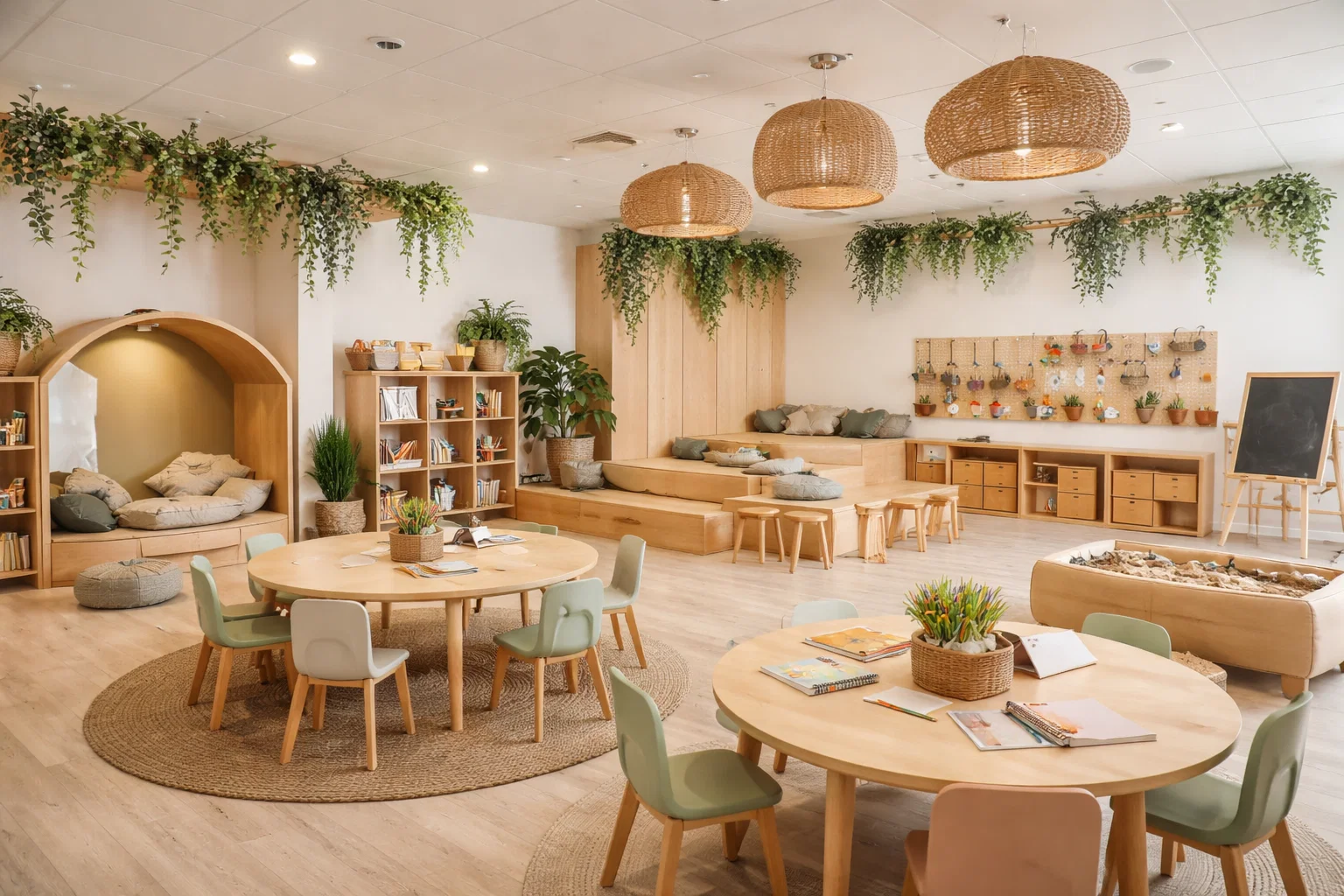
When setting up your homeschool environment, consider whether a dedicated space or a multi-purpose area works best for your family. A dedicated space minimizes distractions and signals to the child that it’s time for schoolwork.
However, if space is limited, a multi-purpose area can be just as effective with the right organization. If your child’s learning style benefits from flexibility, embrace different locations for different subjects. Think read aloud in a cozy corner, and science experiments in the kitchen.
Ergonomics, Lighting, and Organization for Productivity
Ergonomics, lighting, and organization play vital roles in productivity for homeschoolers. Ensure your homeschool setup includes comfortable seating, proper desk height, and adequate lighting to prevent strain.
Organized storage solutions will minimize clutter and help your children focus. Consider using clear bins, labeled shelves, and color-coded folders to keep everything accessible. Bright, natural light is ideal, but if that’s not possible, invest in full-spectrum light bulbs to reduce eye strain during the school day.
Incorporating Creativity and Comfort in the Learning Environment
Incorporating creativity and comfort can transform a homeschool space into an inviting environment. Allow kids to personalize their learning area with artwork, posters, and plants. A comfortable reading nook with cushions and a soft blanket encourages engagement and enjoyment. Designating an area for hands-on projects, like building with LEGOs or painting, stimulates imagination. This encourages children to be eager to participate in their school subjects.
Leveraging Technology for Smarter Learning

Online Learning Platforms and Virtual Classrooms
Online learning platforms offer a wealth of resources to enrich your homeschool experience. Virtual classrooms, especially for an older child, provide structured lessons, interaction with peers, and expert instruction in specialized subjects.
These platforms often include assessment tools to track progress and identify areas needing additional support. Utilizing virtual resources can expand homeschool curriculum options and connect homeschoolers with a global community and also give the parent a break.
Educational Apps and Interactive Tools
Educational apps and interactive tools can transform learning into an engaging activity. From math games to language-learning apps, there are countless ways to reinforce concepts and keep children entertained.
These tools often provide immediate feedback, personalized lessons, and progress tracking. Encourage your child to use these apps independently to foster self-directed learning and develop crucial technology skills. Just be mindful of screen time and balance it with hands-on activities.
Virtual Field Trips and Global Learning Experiences
Virtual field trips provide incredible opportunities to explore the world from the comfort of your home. Museums, historical sites, and national parks offer virtual tours that can enhance school subjects lessons.
These experiences broaden horizons and spark curiosity, especially when real-life visits aren’t feasible. Integrating virtual field trips into your homeschool schedule allows for immersive, interactive learning that ignites a passion for exploration and discovery, making the school day an exciting adventure.
Personalizing the Curriculum for Every Child

Understanding Learning Styles and Strengths
Understanding your child’s individual learning style and strengths is the foundation of personalized homeschooling. Some children are visual learners, thriving with picture books and diagrams, while others are auditory, preferring read aloud or discussions.
Kinesthetic learners benefit from hands-on activities and movement. Identifying these preferences allows you to tailor homeschool curriculum and teaching methods to maximize engagement and retention. By playing to your child’s strengths, you foster a love for learning and build confidence in their abilities.
Tailoring Pace and Content to Individual Needs
Tailoring the pace and content of the curriculum is a significant advantage of homeschooling. Unlike traditional classrooms, you can adjust the speed at which your child progresses through each subject.
If they grasp concepts quickly, you can move ahead. If they need more time, you can slow down and provide additional support. This personalized approach ensures that your child is neither bored nor overwhelmed, fostering a positive attitude toward learning and preventing frustration during the school day.
Integrating Children’s Interests for Deeper Engagement
Integrating your child’s interests into the curriculum is a powerful way to boost engagement. If your child loves dinosaurs, incorporate them into science, history, and even math lessons.
If they’re passionate about art, dedicate extra time to creative projects and art history. This approach makes learning more relevant and enjoyable, encouraging children to take ownership of their education. By tapping into their passions, you foster a lifelong love of learning.
Teaching Life Skills Alongside Academics

Practical Skills: Cooking, Budgeting, and Household Management
Teaching practical skills alongside academics prepares children for real-world success. Incorporating cooking, budgeting, and household management into your homeschool curriculum equips them with valuable life skills.
Cooking lessons teach math, science, and nutrition. Budgeting exercises develop financial literacy. Household tasks foster responsibility and teamwork. By integrating these skills, you provide a well-rounded education that extends beyond textbooks and prepares them for independent living after they are homeschooled.
Critical Thinking, Problem-Solving, and Creativity Exercises
Critical thinking, problem-solving, and creativity are essential skills for success in any field. Encourage these skills by incorporating open-ended projects, puzzles, and creative writing exercises into your homeschool routine.
Present real-world problems and challenge your children to find solutions. Encourage them to think outside the box and experiment with different approaches. By fostering these skills, you empower them to become innovative thinkers and effective problem-solvers, helping in their future career and family one day.
Community Involvement and Real-World Learning Opportunities
Community involvement provides invaluable real-world learning opportunities. Volunteering, internships, and community projects offer hands-on experiences that complement academic learning.
These activities expose children to diverse perspectives, foster empathy, and develop leadership skills. By engaging in community service, they learn the importance of giving back and become active, responsible citizens. This aspect of homeschooling ensures that children are prepared to contribute positively to their communities.
Encouraging Socialization and Extracurricular Engagement

Homeschool Co-ops and Group Learning Opportunities
Homeschool co-ops provide structured group learning opportunities and socialization opportunities. These co-ops often offer classes, field trips, and social events that supplement your homeschool curriculum.
They also provide a support network for homeschooling moms, allowing them to share resources, exchange ideas, and collaborate on projects. Participating in a co-op can enhance your child’s educational experience and provide valuable social interaction with peers and give you some extra time.
Sports, Arts, and Clubs for Personal Development
Encourage your children to participate in sports, arts, and clubs to foster personal development. These activities offer opportunities to develop new skills, build confidence, and form friendships. Sports promote physical fitness and teamwork.
Arts cultivate creativity and self-expression. Clubs provide a platform to explore interests and connect with like-minded peers. These extracurricular activities contribute to a well-rounded education and help children discover their passions and talents, keep it simple and follow their hearts.
Virtual Communities and Online Collaborative Projects
Virtual communities and online collaborative projects offer unique socialization opportunities for homeschoolers. Online forums and social media groups connect children with peers from around the world.
Collaborative projects, such as creating a website or writing a book together, foster teamwork and communication skills. These virtual interactions can broaden horizons, promote cultural exchange, and prepare children for success in an increasingly connected world.
Tracking Progress and Celebrating Achievements

Assessment Methods: Portfolios, Quizzes, and Projects
Employ a variety of assessment methods to track your child’s progress in homeschooling. Portfolios showcase their best work, demonstrating growth over time. Quizzes and tests provide insights into knowledge retention.
Projects encourage critical thinking and application of learned concepts. Regularly review these assessments to identify areas where your child excels and areas needing additional support. Remember, the goal is to foster a love of learning, not just to achieve high scores.
Adjusting Teaching Methods Based on Progress
Based on your child’s progress, be prepared to adjust your teaching methods. If a particular approach isn’t resonating, try a different one. For example, if your child struggles with traditional worksheets, try hands-on activities or interactive games. Regularly assess understanding through informal discussions and observations.
Flexibility is a key advantage of homeschooling, allowing you to tailor your approach to meet individual needs and maximize learning. Embrace experimentation and find what works for your family.
Reward Systems and Positive Reinforcement
Implement a reward system to celebrate achievements and motivate continued effort in your homeschool. Positive reinforcement, such as praise and encouragement, can boost confidence and foster a positive attitude toward learning.
Small rewards for completing tasks or achieving goals can provide an extra incentive. However, focus on intrinsic motivation by emphasizing the joy of learning and the satisfaction of mastering new skills, which is one of the most valuable homeschooling tips.
Supporting Parents: Time Management and Well-Being
Strategies for Avoiding Burnout and Managing Stress
Parental well-being is crucial for successful homeschooling. Implement strategies to avoid burnout and manage stress. Schedule regular breaks for yourself, just as you do for your children. Delegate tasks when possible and don’t be afraid to ask for help from family or friends.
Prioritize self-care activities, such as exercise, meditation, or spending time on hobbies. Remember, you can’t pour from an empty cup. When things get tough, remember that you chose to homeschool for a reason.
Building a Support Network of Other Homeschooling Families
Building a support network of other homeschooling families can be invaluable. Connect with other homeschoolers in your community through co-ops, online forums, or social media groups. Share resources, exchange ideas, and offer encouragement.
Having a network of like-minded individuals can provide emotional support, practical advice, and a sense of belonging. Remember, you’re not alone on this journey. Taking a break and having other parents to relate to helps tremendously.
Continuing Education and Professional Development for Parents
Consider continuing education and professional development opportunities to enhance your homeschooling skills. Attend workshops, webinars, or conferences on relevant topics. Read books and articles on homeschooling strategies and educational best practices. By investing in your own learning, you can stay informed, inspired, and better equipped to provide a quality education for your children. Plus, there are many homeschool tips to learn every year.
Conclusion: Building a Smarter, Happier Homeschool Environment
By implementing these strategies, you can create a smarter, happier homeschool environment for your family. Remember that homeschooling is a journey, not a destination. Be patient, flexible, and open to learning. Celebrate your successes, learn from your challenges, and most importantly, enjoy the precious time you have with your children. With dedication and resourcefulness, you can provide a fulfilling and enriching educational experience at home, and you will become a veteran homeschooling parent one day.