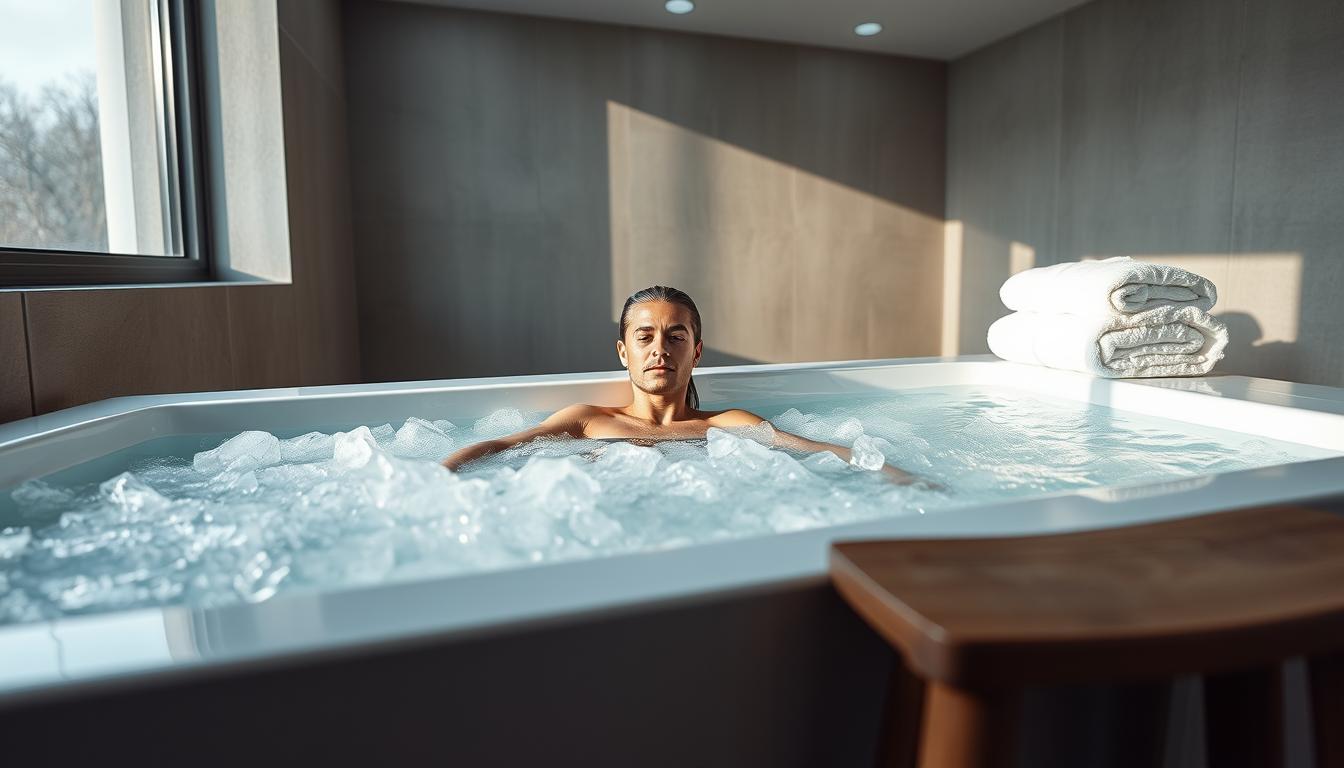
Did you know professional athletes spend up to $20,000 on ice bath setups at home? Cold plunge therapy has become very popular. It’s now a big trend in wellness.
This trend is not just a short-lived fad. People from all walks of life, including athletes and celebrities, are trying it. They find it helps with muscle recovery and mental strength.
I’ll share the science, myths, and real stories about ice baths. If you’re an athlete or someone into wellness, cold water therapy could change your health routine. It’s about more than just facing the cold.
I aim to give you a full view of this interesting trend. You’ll see if ice baths are really worth trying. Prepare to learn how facing discomfort can lead to better performance and mental toughness.
Why Everyone is Talking About Ice Baths
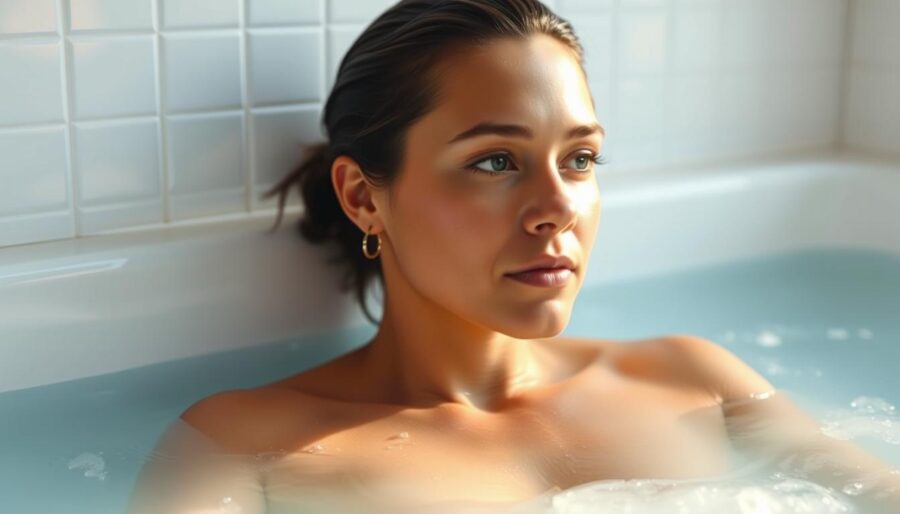
Ice baths have become a big deal in health and wellness. Now, athletes and fitness fans alike are trying them out. Social media influencers are also jumping on the bandwagon, all for the sake of better health.
From Athletes to Influencers: The Rise of Cold Plunges
Ice baths are getting more popular, and it’s not by chance. Athletes have known about their benefits for a long time. Now, more people are interested in how they can help with recovery and health.
- Elite sports teams use ice baths for rapid muscle recovery
- Fitness influencers showcase their cold plunge experiences
- Wellness enthusiasts explore alternative health strategies
Ice Baths as Part of the Biohacking & Wellness Boom
Wellness fans are adding ice baths to their health routines. It’s a mix of old healing ways and new science. This approach helps improve both body and mind.
But it’s not just about feeling better physically. People say it boosts their mental focus and helps with stress. It’s not just a recovery method—it’s a lifestyle choice.
What Exactly is an Ice Bath?
Cold therapy science has changed how we view recovery and wellness. An ice bath, or cold water immersion, is a powerful method that challenges our body’s natural responses. I’ve learned how a simple cold water dip can cause amazing changes in our body.
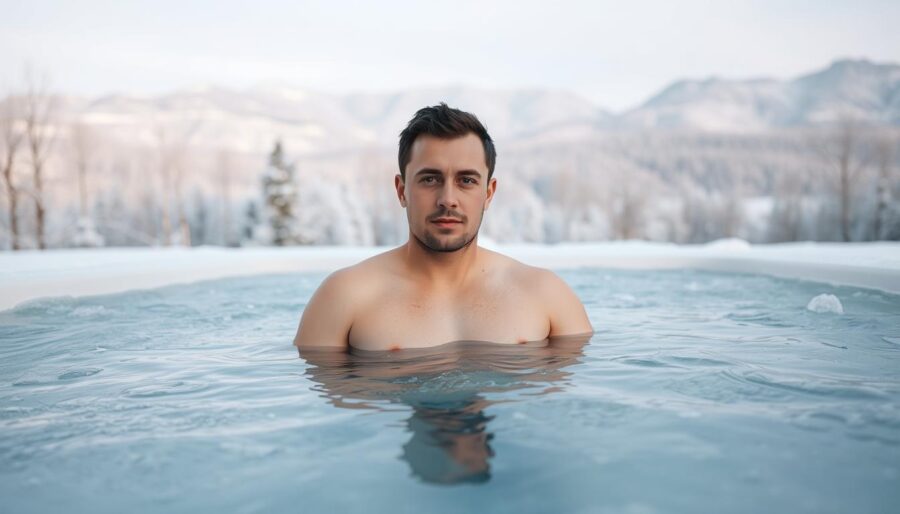
At its core, cryotherapy at home means putting your body in water between 50-59°F (10-15°C) for a short time. It’s not just a new trend. It has roots in traditional healing practices.
Traditional Cold Therapy Practices
Different cultures have used cold exposure for healing:
- Nordic cultures used ice-cold lake plunges after sauna sessions
- Japanese practitioners developed specific cold water rituals
- Indigenous communities used natural cold water for healing
The Science of Cold Water Immersion
The Wim Hof method has made cold therapy popular. When you enter an ice bath, your body reacts quickly:
- Blood vessels constrict rapidly
- Circulation increases dramatically
- Metabolic processes accelerate
- Nervous system gets stimulated
How Cold Exposure Works
Your body’s response to cold is complex. Vasoconstriction happens first, moving blood to your core. This starts a chain of recovery processes. These can reduce inflammation, boost your immune system, and even improve mental strength.
Knowing how our body reacts to cold helps explain why athletes and wellness fans love ice baths. They see it as a powerful tool for recovery.
Key Benefits of Ice Baths Backed by Science
Cold immersion therapy is getting a lot of attention for its amazing benefits. It can change how we recover and think. I’ve looked into the science behind ice baths and how they affect our bodies and minds.

Studies show that cold water has many benefits. It’s not just for cooling muscles. Athletes and fitness lovers are finding out how it can change their training and recovery.
Muscle Recovery and Performance Enhancement
Ice baths can really help with muscle recovery. They:
- Lessen muscle soreness after working out
- Lower inflammation
- Help get rid of waste faster
- Speed up muscle repair
Circulatory and Inflammatory Response
Cold immersion makes the body do some cool things. It causes blood vessels to narrow and then widen. This:
- Improves blood flow
- Reduces inflammation
- Helps with healing
Mental Health and Resilience
Cold therapy also has great benefits for our minds. It can:
- Boost dopamine
- Help control mood
- Make us mentally tougher
- Lower stress
Ice baths do more than just lower the temperature. They offer a complete approach to wellness, challenging both body and mind.
Ice Baths for Athletes vs Everyday People
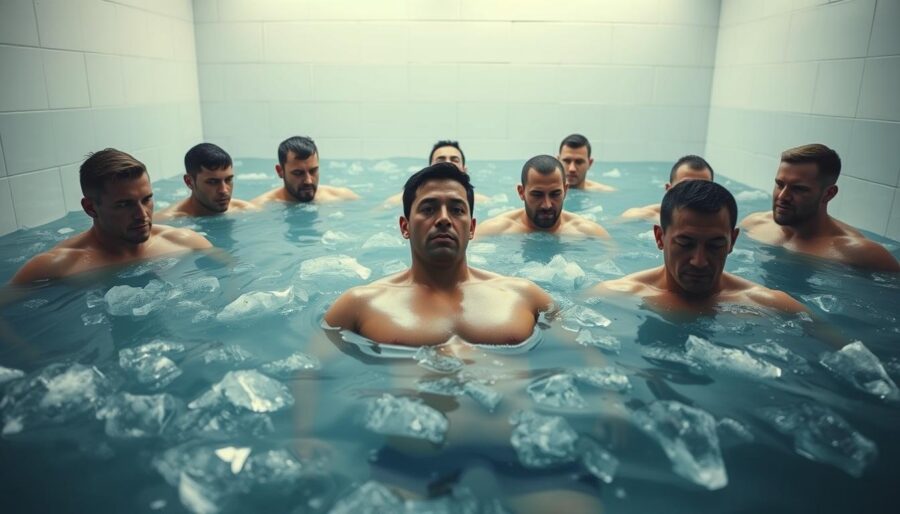
Cold plunge science has changed how athletes and wellness fans recover. Athletes use ice baths to manage stress and improve performance. It’s not just a trend; it’s a smart way to recover.
Why Elite Athletes Choose Cold Water Immersion
Professional athletes use ice baths to reduce inflammation and recover muscles. They know cold water immersion helps:
- Speed up muscle repair after hard training
- Lessen soreness after workouts
- Shorten the time needed to recover between sessions
Benefits for Busy Professionals and Wellness Seekers
Ice baths also benefit those not in sports. Busy professionals can use cold therapy to:
- Lower stress and build mental strength
- Improve physical recovery
- Strengthen the immune system
Real-World Success Stories
People from all walks of life are seeing the benefits of cold plunge science. Whether you’re an athlete or someone looking for wellness, ice baths offer a powerful way to rejuvenate.
Myths and Misconceptions About Ice Baths
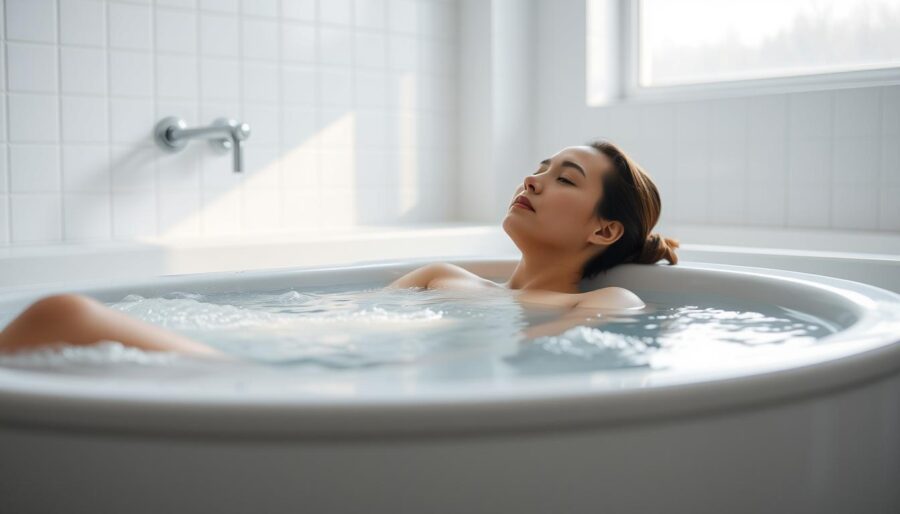
Ice baths are popular among athletes and fitness fans. But, many myths surround them. These myths can confuse people about what ice baths can really do.
Debunking Weight Loss Claims
Some think ice baths are a quick way to lose weight. But, cold water doesn’t burn a lot of fat. Ice baths mainly help with muscle recovery, not weight loss.
Recovery Techniques: Can Ice Baths Replace Traditional Methods?
Ice baths can’t replace all recovery methods. They’re great for reducing inflammation, but they should be part of a bigger recovery plan. This plan includes:
- Proper stretching
- Adequate rest
- Nutrition
- Active recovery
Impact on Muscle Growth
Ice baths don’t stop muscle growth forever. Moderate and strategic cold therapy can actually help muscles recover. It’s all about finding the right balance.
Studies show that ice baths right after working out might slow down muscle growth a bit. But, they can also reduce soreness and help with recovery in the long run.
Risks and Who Should Avoid Ice Baths
Cold plunge mental health practices like ice baths can be transformative, but they’re not without potential risks. It’s important to know who should be cautious with post-workout cold therapy for safe wellness exploration.
Not everyone should jump into cold water immersion. Certain medical conditions require careful consideration before attempting Wim Hof method benefits or ice bath protocols.
Safety Concerns for Heart and Circulation
People with specific health challenges should consult their healthcare provider before trying cold therapy:
- High blood pressure
- Heart disease
- Diabetes
- Peripheral neuropathy
- Poor circulation
Common Beginner Mistakes
Newcomers to ice baths often make critical errors that can compromise their safety:
- Staying in water too long
- Using water that’s excessively cold
- Not monitoring body’s response
- Skipping proper warm-up and cool-down
Warning Signs to Stop
Pay attention to your body during cold exposure. Immediate medical attention is necessary if you experience:
- Intense shivering
- Chest pain
- Difficulty breathing
- Extreme discomfort
- Numbness or tingling
Remember, while ice baths can offer incredible mental and physical benefits, your safety always comes first. Listen to your body and never push beyond your personal limits.
How to Safely Try an Ice Bath
Getting into ice baths needs careful planning and knowledge. As someone who’s tried athlete recovery techniques, I’ll show you how to safely try an ice bath. This way, you can enjoy its benefits fully.
Ideal Water Temperature and Timing
Studies say the best ice bath temperature is 10-15°C (50-59°F). This cold helps your immune system and starts recovery. Make sure to use a thermometer to get the right temperature.
Recommended Duration for Different Skill Levels
- Beginners: Start with 1-3 minutes
- Intermediate: 5-10 minutes
- Advanced practitioners: 10-15 minutes
Frequency Guidelines
For the best recovery, I suggest:
- 2-3 ice baths per week for athletes
- 1-2 sessions per week for fitness enthusiasts
- Maximum of 10-15 minutes per session
Pre- and Post-Ice Bath Tips
Getting ready properly boosts the benefits of cold therapy:
- Hydrate well before and after
- Wear minimal clothing during immersion
- Have warm towels ready
- Practice controlled breathing
- Gradually warm up after exiting
Everyone reacts differently to cold therapy. Listen to your body, start slow, and talk to a doctor if you have health issues.
Alternatives to Ice Baths: Other Cold Therapy Options
Not everyone is ready to dive into a full ice bath. Luckily, there are many cold water immersion techniques. They help you enjoy health benefits without too much discomfort. I’ve looked into several cold therapy alternatives that might fit different comfort levels and wellness goals.
Cold Showers: Your Daily Resilience Builder
Cold showers are a great way to start with cold therapy. Begin with 30-second bursts of cold water at the end of your shower. This can:
- Boost circulation
- Enhance mental toughness
- Improve overall cold plunge health benefits
Cryotherapy Chambers: High-Tech Cold Exposure
Cryotherapy offers a controlled, short cold experience. It lasts 2-3 minutes, with temperatures between -200°F and -300°F. Athletes and wellness fans love the quick, intense cold therapy.
Contrast Therapy: Balancing Hot and Cold
This method alternates between hot and cold treatments. A typical session might include:
- 5 minutes in a sauna
- 30-60 seconds of cold exposure
- Repeat 2-3 times
Contrast therapy can make cold water immersion benefits even better. It offers a more dynamic recovery experience.
Expert Opinions on Ice Baths
Exploring ice baths shows a mix of science and expert views. Doctors and wellness experts are looking into how cold water helps after workouts. They want to know if it can reduce muscle inflammation.
Sports medicine doctors have been studying ice baths. They found some important points:
- Cold water immersion can reduce muscle inflammation after hard workouts
- Contrast therapy does more than just help muscles recover
- How people react to ice baths can be very different
What Medical Professionals Reveal
Dr. Rhonda Patrick, a well-known researcher, talks about the complex effects of cold therapy. Ice baths cause a complex response in the body, not just cooling. This response helps the body recover in many ways.
Wellness Coaches and Biohackers Weigh In
Wellness experts see ice baths as a way to build mental strength. They think cold water immersion helps manage stress and improve performance.
| Expert Type | Key Perspective on Ice Baths | Recommended Approach |
|---|---|---|
| Sports Medicine Doctors | Muscle Recovery | Controlled, Short-Duration Immersion |
| Wellness Coaches | Mental Toughness | Gradual Adaptation |
| Biohackers | Performance Optimization | Systematic Experimentation |
Research Gaps and Future Directions
Even though interest is growing, there’s still a lot to learn. Scientists are studying the long-term effects of ice baths. I suggest being careful and curious about ice baths. Remember, everyone’s experience can be very different.
Conclusion: Is It Worth Adding Ice Baths to Your Routine?
Exploring cold exposure health effects, I found ice baths aren’t for everyone. Cryotherapy and ice baths offer different benefits for recovery and mental sharpness. Whether to use cold plunge techniques depends on your health and fitness goals.
Ice baths can be a great tool for athletes and those into wellness. They help with muscle recovery, improve blood flow, and boost mental strength. But, it’s important to be careful and know your limits.
Thinking about ice baths? Start slow and pay attention to how your body feels. Always talk to a doctor, especially if you have health issues. Ice baths are just one part of a healthy lifestyle that includes good food, regular exercise, and enough sleep.
Choosing cold therapy is a personal decision. You might choose ice baths or other recovery methods. The key is finding what’s best for you. Your wellness journey is about finding what makes you strong, full of energy, and truly alive.