People are spending a huge $1.5 trillion on food this year. Ancient grains are making a big comeback, changing the way we eat. These grains are now found in many stores, not just health food shops.
There’s a big change in whole grain trends. They connect us to old farming ways. Grains like quinoa and farro are making healthy eating easier and more sustainable.
We’ll explore the amazing world of ancient grains. These grains are full of nutrients and have been around for thousands of years. They’re making a comeback, bringing forgotten foods back to our plates.
The rise of ancient grains is more than a trend. It’s a big change in how we see food and our history. Let’s go on a journey to discover the grains that are changing how we eat today.
Why Ancient Grains Are Back in the Spotlight
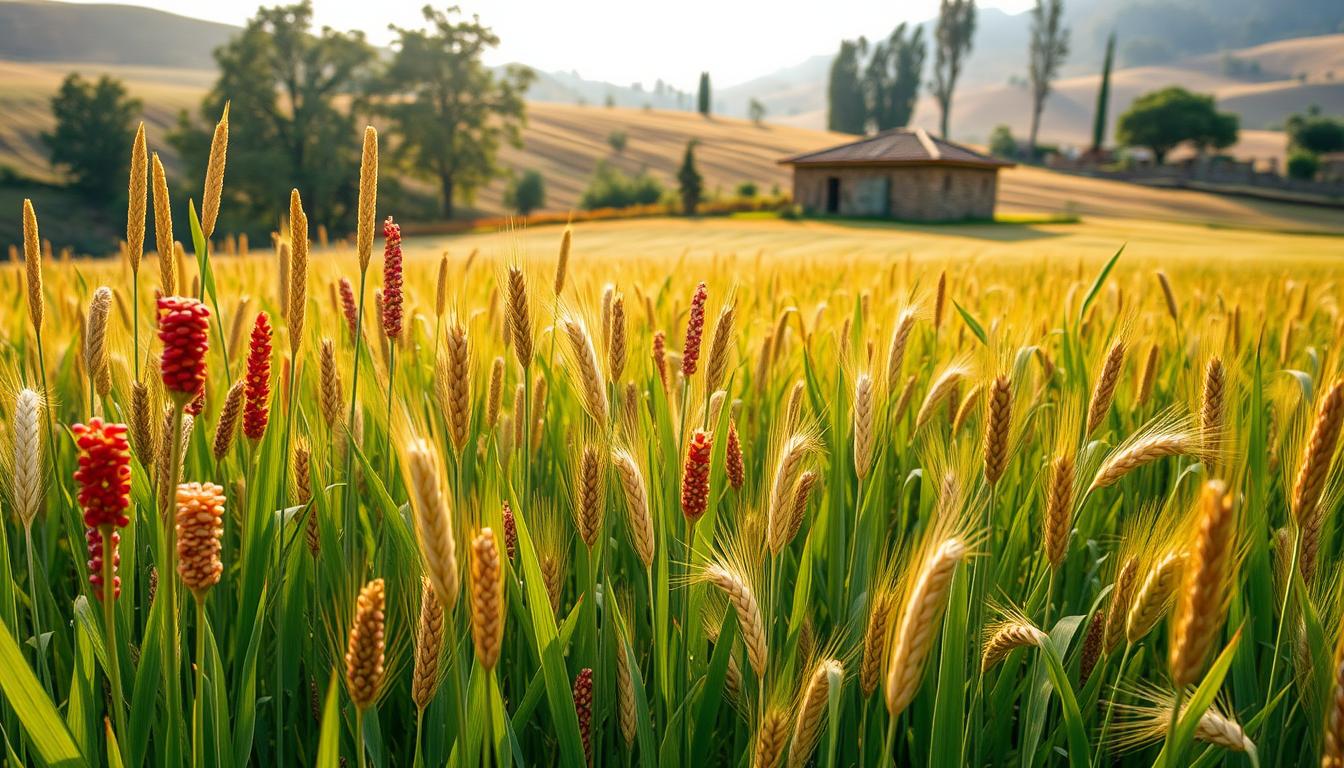
Our food world is changing fast. Ancient grains are becoming popular again. They’re loved by people who care about health and nutrition.
This trend is more than just food. It’s about better nutrition, caring for the planet, and connecting with our food’s past.
From Forgotten Fields to Global Superfoods
Once ignored, ancient grains are now seen as superfoods. Their rise from old crops to modern favorites is inspiring.
- Nutrient-dense profiles surpassing modern hybrid grains
- Genetically unmodified crop varieties
- Rich in essential micronutrients
- Lower environmental impact compared to conventional crops
Health-Conscious Consumers Driving the Trend
People want food that’s good for them and the planet. This demand has made ancient grains popular worldwide.
| Ancient Grain | Nutritional Highlight | Origin |
|---|---|---|
| Quinoa | Complete Protein | Andes Mountains |
| Amaranth | High Calcium Content | Mexico |
| Teff | Iron-Rich Grain | Ethiopia |
Our desire for healthier food is pushing ancient grains into the mainstream. These grains are more than a trend. They’re a key to a sustainable food future.
What Are Ancient Grains? Understanding the Basics
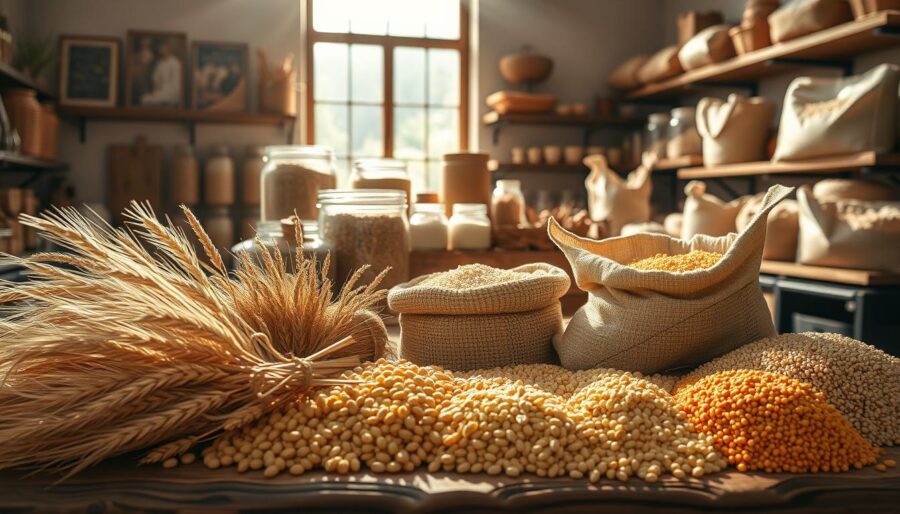
The world of ancient grains is a fascinating journey into nutritional history. These crops connect us to our agricultural roots. They show us traditional food systems that have lasted for thousands of years.
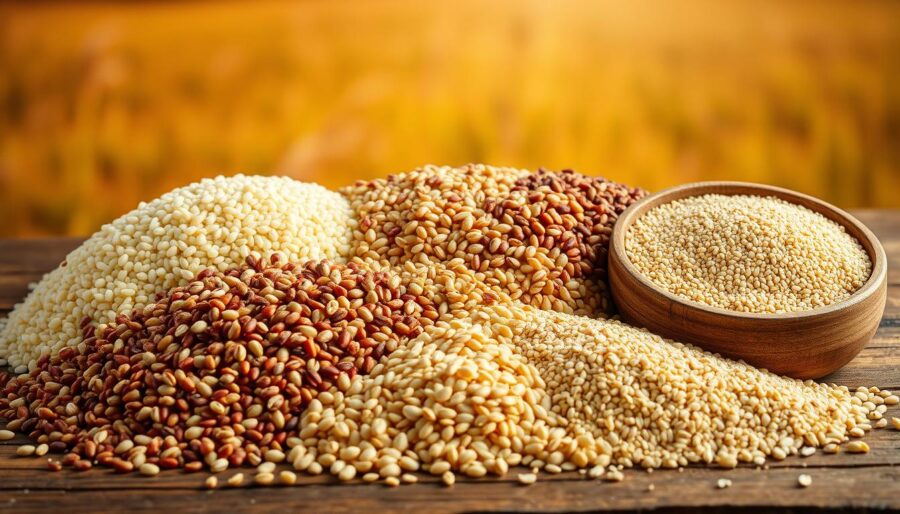
Ancient grains are more than a trend. They are a return to unmodified, nutrient-dense foods. These foods have stayed the same for millennia.
Definition of Ancient Grains
Ancient grains are specific grain varieties that have kept their original genetic structure. Unlike modern hybrid wheat, these grains have stayed mostly unchanged for thousands of years.
- Spelt: An ancient wheat variety with a rich, nutty flavor
- Einkorn: The oldest known wheat species
- Kamut ancient wheat: A robust grain with exceptional nutritional profile
Distinguishing Ancient from Modern Grains
The main difference between ancient and modern grains is their genetic complexity and nutritional density. Modern wheat has been changed a lot to increase crop yields. Ancient grains keep their original chromosomal structure.
| Characteristic | Ancient Grains | Modern Hybrid Grains |
|---|---|---|
| Genetic Modification | Minimal to none | Extensive breeding |
| Nutritional Density | Higher protein, minerals | Lower nutritional complexity |
| Gluten Structure | Simpler protein chains | More complex gluten |
Understanding these unique characteristics helps us see why ancient grains are popular. They are chosen by health-conscious consumers looking for more nutritious and traditional foods.
Nutritional Powerhouses: The Health Benefits of Ancient Grains
Ancient grains are changing how we see nutrition. They offer health benefits that modern grains can’t match. These foods are full of nutrients that boost our well-being and energy.
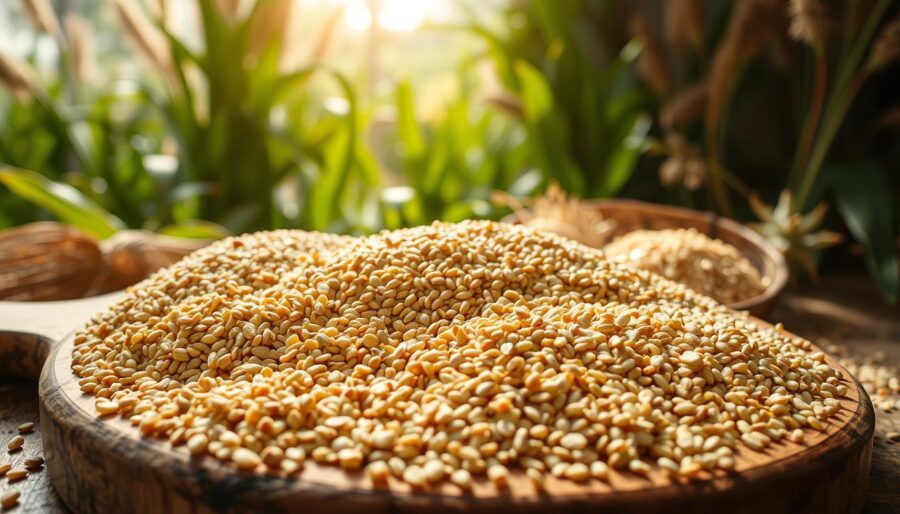
These grains have more than what modern grains do. They are loaded with nutrients that can change your diet for the better. They support your health in big ways.
Rich in Protein, Fiber & Micronutrients
Ancient grains are known for their nutritional value. They have a mix of nutrients that our bodies need:
- High-quality protein for muscle support
- Complex carbohydrates for sustained energy
- Essential minerals like magnesium, zinc, and iron
Naturally Gluten-Free Alternatives
For those looking for gluten-free options, ancient grains are great. Quinoa and amaranth are full of nutrients. They taste good and are good for you, especially if you’re gluten sensitive.
| Ancient Grain | Protein (g) | Fiber (g) | Gluten Status |
|---|---|---|---|
| Quinoa | 8.1 | 5.2 | Gluten-Free |
| Amaranth | 9.3 | 6.7 | Gluten-Free |
| Teff | 6.2 | 3.8 | Gluten-Free |
Antioxidant & Anti-Inflammatory Properties
Ancient grains are not just nutritious. They also have antioxidant and anti-inflammatory properties. These properties help fight oxidative stress and support long-term health. They are a great addition to any healthy diet.
Global Favorites: Top Ancient Grains to Know & Try
Ancient grains have become stars in the kitchen worldwide. They are packed with nutrients and carry rich histories. Each grain has a story of survival and health benefits.
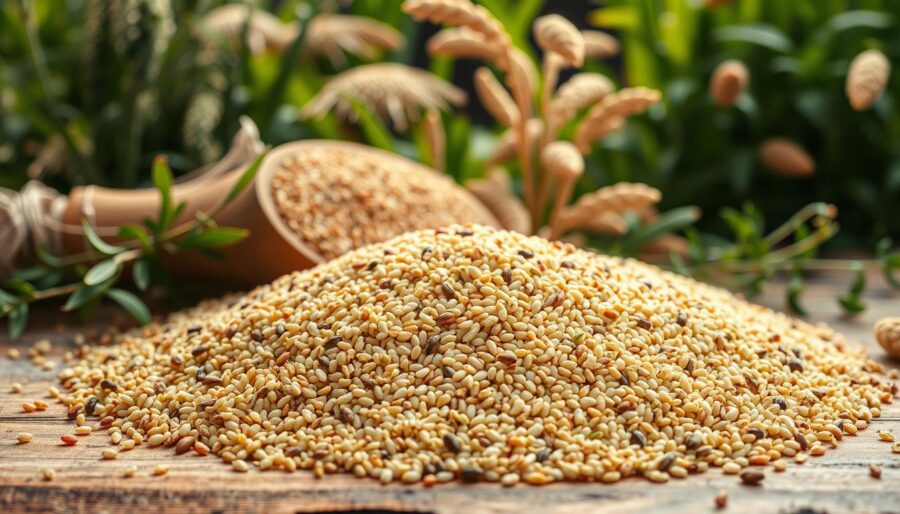
We’ll explore the most exciting ancient grains. They are changing how we eat and think about nutrition:
Quinoa – The Complete Protein from the Andes
Quinoa is a superfood from the Andes. It’s a complete protein with all nine essential amino acids. Rich in minerals and gluten-free, it’s great for salads, bowls, and breakfast.
- Complete protein source
- Naturally gluten-free
- High in magnesium and fiber
Teff – Ethiopia’s Tiny Grain with Big Nutrition
Teff is a tiny grain from Ethiopia. It’s packed with nutrients. It’s a key ingredient in traditional injera bread.
Amaranth – The Aztec Superfood
Amaranth is a nutrient-dense grain. The Aztecs valued it highly. It’s rich in protein and minerals, good for heart health and energy.
Farro & Einkorn – Old-World Wheat Varieties
Our journey ends with farro recipes. These grains offer deeper flavors and better nutrition than modern wheat. They’re perfect for gourmet dishes and healthy diets.
Culinary Inspiration: How to Cook & Enjoy Ancient Grains
Exploring ancient grains opens a world of tasty possibilities. We’re excited to share ways to make these nutritious ingredients into delicious meals. These meals will change how you cook.
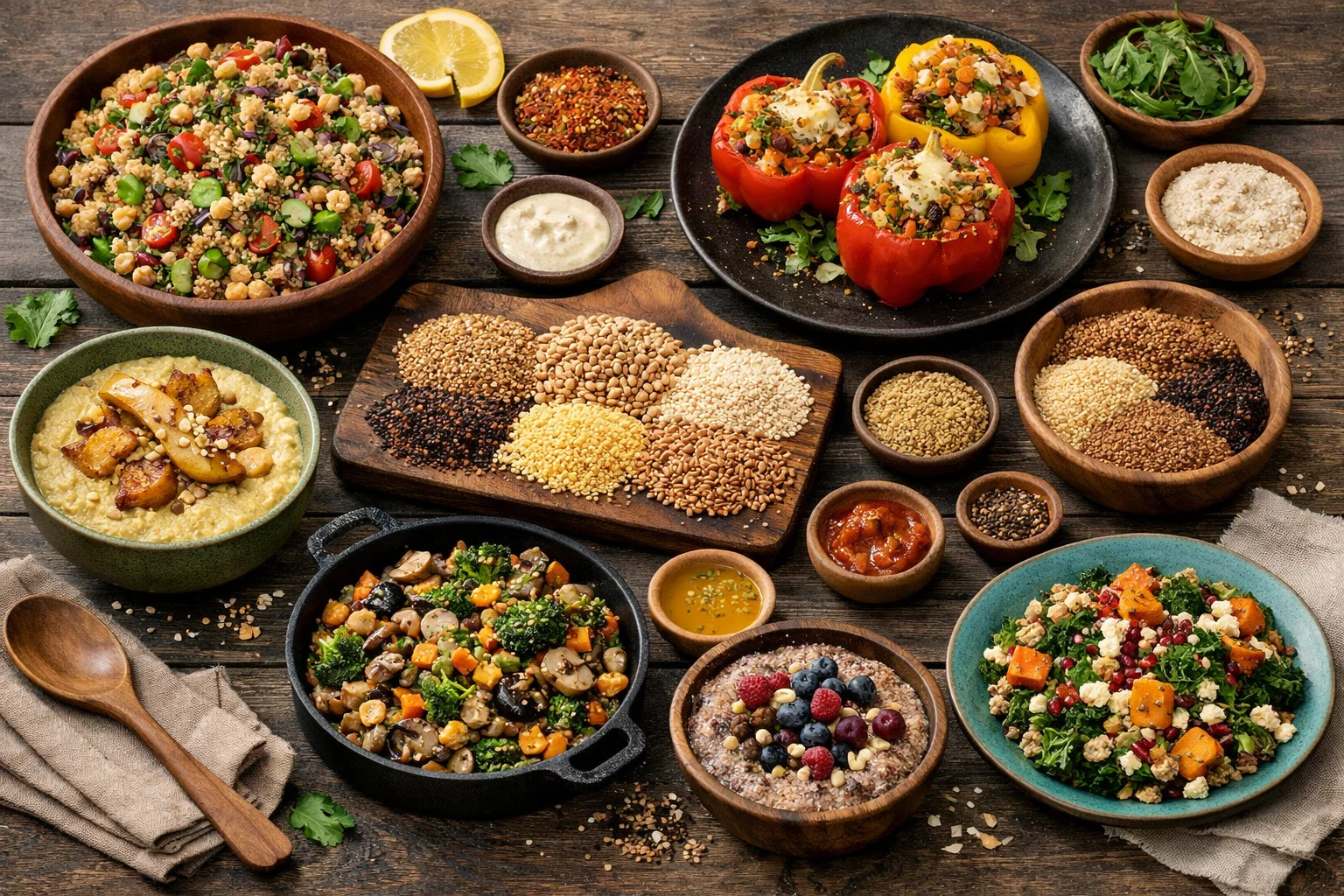
Everyday Recipes: Salads and Bowls
Ancient grain salads are a great way to add nutrition to your meals. Start with quinoa or millet as the base for protein-rich dishes. Our favorite bowls mix:
- Cooked millet or amaranth
- Roasted seasonal vegetables
- Fresh herbs
- Protein sources like chickpeas or grilled chicken
Baking with Ancient Grain Flours
Spelt flour baking is a tasty alternative to wheat flour. Pro tip: Spelt can replace all-purpose flour 1:1, making baked goods lighter and tastier. Try these flours:
- Einkorn flour for delicate pastries
- Teff flour for nutrient-dense breads
- Amaranth flour for gluten-free baking
Creative Drinks and Ferments
Try new things with millet in drinks. Make homemade millet milk or try sorghum beer. These ideas show ancient grains’ versatility.
Our journey with ancient grains shows healthy eating can be tasty. From salads to baked goods, these grains will spice up your kitchen.
Sustainability & Farming: Ancient Grains for a Modern Planet
Our global food system is facing big challenges. Sustainable agriculture is a key solution. Ancient grains are leading this change, helping farmers and the planet.
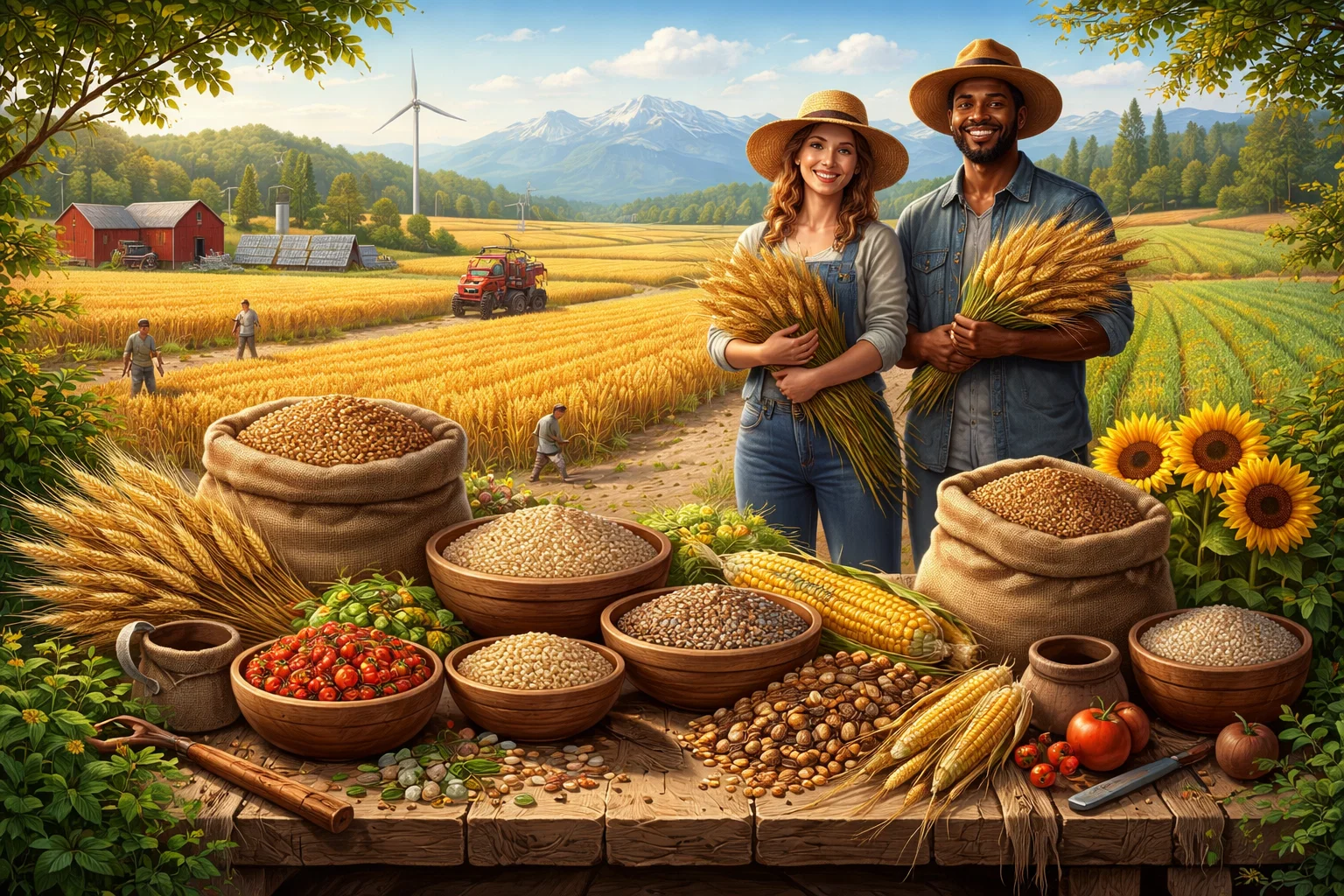
Our farming is changing, thanks to heritage grains. These grains are not just healthy. They also help the environment.
Low-Water, Climate-Resilient Crops
Ancient grains are great at handling tough weather. For example, organic kamut uses much less water than modern wheat. They are strong and can:
- Withstand droughts
- Need less water
- Fight pests naturally
- Require fewer chemicals
Regenerative Agriculture Impact
Using ancient grains in farming helps the environment. They improve soil, support wildlife, and help fight climate change.
| Grain Type | Water Usage | Soil Health Impact |
|---|---|---|
| Organic Kamut | 50% less water | High mineral retention |
| Quinoa | 40% less water | Nitrogen-fixing properties |
| Amaranth | 30% less water | Deep root system |
Supporting Local Farmers
Choosing heritage grains helps local farmers. These crops keep genetic diversity alive. They also give small farmers a chance to make a living while farming sustainably.
Market & Innovation Trends to Watch
The ancient grains revolution is changing the food world. New products are popping up in many markets. Whole grain diet trends are making food companies think differently, offering healthy choices to consumers.
Now, ancient superfoods are being used in new ways in our food. Companies are making easy, healthy foods that people want. They’re making products that are full of nutrients and good for you.
Packaged Foods & Ready-to-Eat Products
Food brands are adding ancient grains to many products. You can find them in crackers, chips, and even frozen meals. Here are some cool things happening:
- Quinoa-based pasta alternatives
- Ancient grain breakfast cereals
- Snack bars featuring buckwheat protein content
- Gluten-free baking mixes with multiple grain blends
Ancient Grains in Plant-Based Proteins
The plant-based protein market is changing fast with ancient grains. Companies are making protein bars and meat substitutes using grains like amaranth and teff. Buckwheat protein content is especially popular among those looking for complete proteins.
Supporting Indigenous Crop Revival
Groups like government agencies and non-profits are helping bring back indigenous grains. They’re not just saving crops; they’re also helping farming be better and food be more secure.
As more people want healthy food, we’ll see even more new things in the ancient grains market. This means more choices for those who care about their health.
Tips for Buying, Storing & Cooking Ancient Grains
Exploring ancient grains can be tricky, but with the right tips, you’ll get the hang of it. Our guide will show you how to pick, store, and cook these healthy foods.
Reading Labels & Choosing Quality Sources
When you’re shopping for ancient grains, look for these signs of quality:
- Certified organic labels
- Transparent sourcing information
- Minimal processing
- Recent harvest dates
For millet, choose whole, unpolished grains for the best nutrition. When baking with teff flour, find authentic Ethiopian teff for real flavor and nutrients.
Storage Strategies for Maximum Freshness
Keeping ancient grains fresh is key. Here’s a storage guide:
| Grain Type | Storage Location | Recommended Storage Time |
|---|---|---|
| Whole Grains | Cool, dark pantry | 6-12 months |
| Flour (Teff, Farro) | Refrigerator | 3-6 months |
| Cooked Grains | Refrigerator | 3-5 days |
For farro, store uncooked grains in airtight containers to keep them fresh. Remember to label containers with the date you bought them.
Cooking Techniques for Perfect Grains
Each ancient grain needs its own cooking method. Here are some key tips:
- Rinse grains well before cooking
- Use the right amount of liquid
- Try toasting grains for extra flavor
- Let grains rest after cooking
When baking with ancient grain flours like teff, start by using 25-50% of traditional flour. This helps you get used to their unique qualities in recipes.
Future Outlook: The Role of Ancient Grains in Global Food Security
Our world is facing big challenges in food production and nutrition. Ancient grains are becoming key for sustainable farming and food security. They are more than a food trend; they are a vital solution for our nutritional needs.
Our food system is at a turning point. With more people and climate change, we need sustainable farming more than ever.
Meeting Nutritional Challenges for a Growing Population
Ancient grains have big benefits for our nutritional needs:
- They are very nutritious
- They can grow well in tough climates
- They need less water
- They add genetic diversity
Predicted Culinary Trends for 2026 and Beyond
Whole grain diet trends are changing fast. We see big changes in how ancient grains will be used in food:
| Trend Category | Predicted Impact |
|---|---|
| Plant-Based Proteins | More quinoa and amaranth in meat substitutes |
| Functional Foods | Ancient grain-based supplements |
| Global Cuisine | More teff and millet in world recipes |
Our farming future relies on ancient grains. Ancient grains are not just a trend – they’re a critical strategy for feeding our planet sustainably.
Conclusion: Embracing Heritage Grains for Health & Sustainability
Our journey into ancient grains shows us their nutritional power and resilience. These grains are back in style, offering more than just food. They connect old farming ways with today’s dietary needs.
Sustainable farming is key to their comeback. By picking quinoa, teff, and amaranth, we help farms and local food systems grow. Our food choices can really make a difference, changing how we see nutrition and caring for the earth.
These grains are more than just wheat substitutes. They’re packed with nutrients and have unique tastes and textures. From Ethiopian teff to Andean quinoa, each grain shares a story of culture and farming wisdom. By trying these foods, we adopt a more varied and sustainable way of eating.
Let’s keep supporting these amazing grains. Every meal is a chance to help global farming diversity, feed our bodies, and honor farming traditions. The future of food is about learning from and valuing our past.