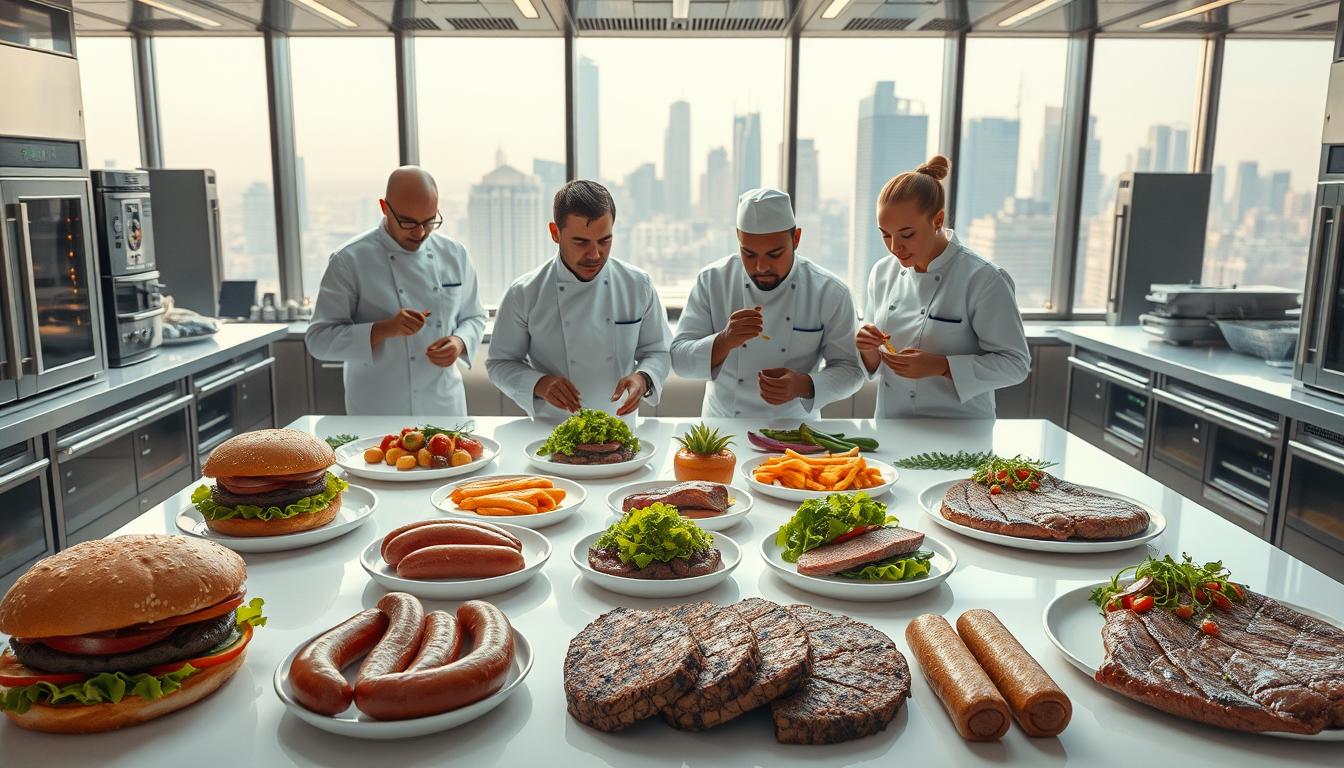
The food industry is on the verge of a big change. By 2026, plant-based meat alternatives will change how we see protein. The global market for these products is expected to hit $21.23 billion.
Chefs, buyers, and investors are seeing a big shift. The new plant-based proteins aren’t just like meat. They’re about creating new tastes and textures.
Technologies like precision fermentation and advanced extrusion are leading this change. Our guide will show you the latest in food innovation. We’ll cover the tech, market trends, and what consumers want.
If you’re a chef, buyer, or investor, this is for you. We’ll give you key insights into the future of protein.
Why 2026 Is a Turning Point for Plant-Based Meat
The world of plant-based meat is changing fast in 2026. We see a big shift where these foods are becoming common in our meals. New plant proteins are now serious players in the global food market.
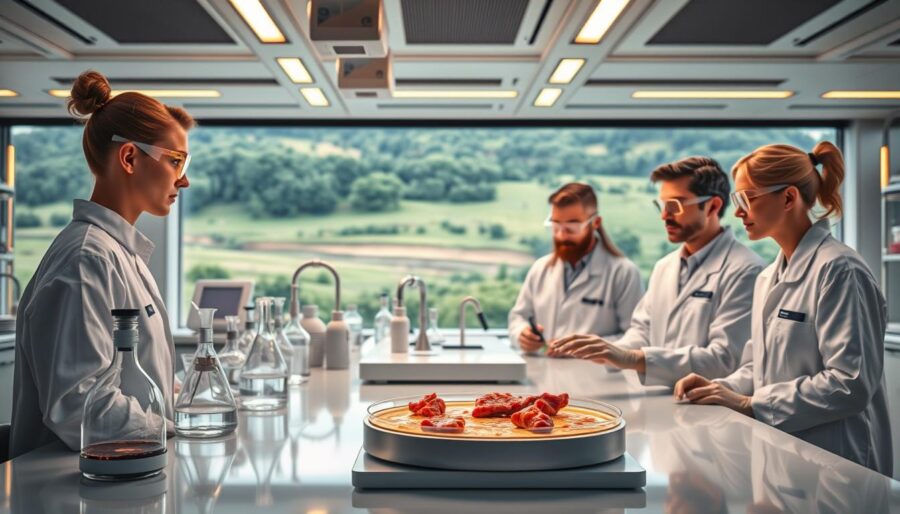
Technology is changing how we see and eat plant-based proteins. Market trends show important changes:
- 85% of plant-based meat consumers are not strict vegetarians
- Increasing mainstream appeal across diverse demographic groups
- Significant improvements in taste and texture
- Growing investment in protein innovation
From Niche Novelty to Mainstream: Market Signals and Why This Year Matters
We’re at a key moment for plant-based foods. New technologies are making these proteins taste better, feel more like meat, and are healthier than before.
| Market Segment | Growth Projection | Key Driver |
|---|---|---|
| Plant-Based Meat | 22% Annual Growth | Technological Innovation |
| Consumer Acceptance | 68% Positive Perception | Improved Taste & Texture |
| Investment | $1.2 Billion | Research & Development |
What Readers Will Learn: Tech, Taste, Retail, Regulation, and Recipes
Our guide will explore the world of plant-based proteins in detail. We’ll look at new technologies, how they taste, how they’re sold, the rules around them, and how to use them in cooking.
The Technology Driving 2026 Innovations
The world of lab-grown protein technology is changing fast. It’s pushing the limits of what we know about growing meat in labs. We’re seeing new ways to make meat alternatives that could change everything.

New methods are coming up that could change the plant-based protein world. We’re seeing big changes in how lab-grown meat alternatives are made and thought of.
High-Moisture Meat Analogs: Redefining Texture
High-moisture meat analogs (HMMAs) are a big step forward in protein tech. They offer new textures thanks to advanced extrusion methods.
- Enhanced moisture retention
- Improved fibrous structure
- More authentic meat-like sensations
3D Printing: Precision Engineering Protein Structures
3D printing is making it possible to create meat-like structures with amazing precision. It lets us build proteins with textures that feel just like real meat.
| Technology | Key Advancement | Potential Impact |
|---|---|---|
| 3D Protein Printing | Customizable Fiber Orientation | Enhanced Meat Texture Replication |
| Precision Fermentation | Animal-Identical Protein Generation | Reduced Agricultural Dependency |
Precision Fermentation: A New Protein Frontier
Precision fermentation is a game-changer. It lets us make animal-identical proteins without animals. This tech is opening up new doors in cellular agriculture.
Cellular Agriculture: Bridging Plant and Cultured Proteins
Hybrid protein products are blending plant and cell tech. They’re bringing us closer to meat that’s better for our taste buds, health, and the planet.
New Protein Sources & Ingredient Innovation
The world of meat substitutes is changing fast. We’re moving beyond soy and pea proteins. New protein sources are being explored, making plant-based food better.
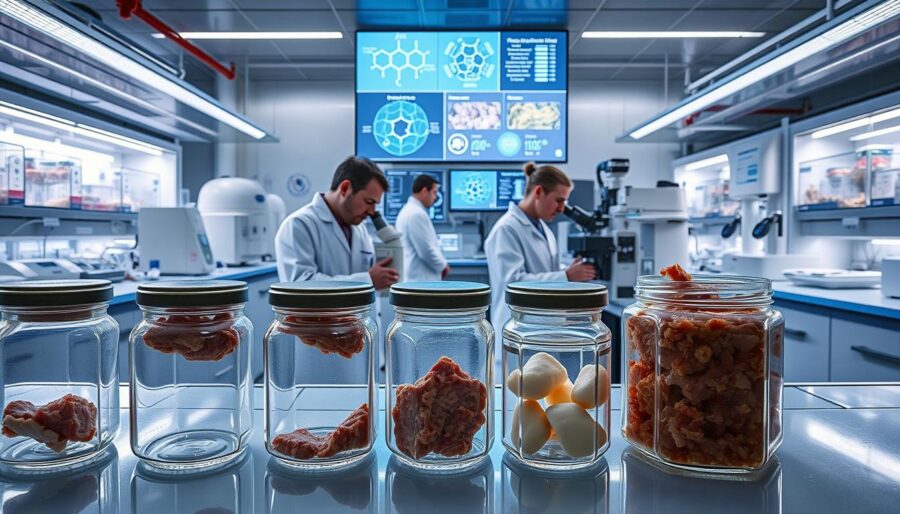
More people want different and green protein options. Studies show 79% of those who eat plant-based like natural bean and legume proteins. Grains like quinoa and millet are also popular.
Emerging Protein Frontiers
- Mycoprotein from fungi: A protein-rich alternative with meat-like texture
- Duckweed: A nutrient-dense aquatic plant protein source
- Algae: Sustainable protein with complete amino acid profiles
- Lentils: High-protein legume with exceptional nutritional value
Upcycled Ingredient Innovations
Upcycled ingredients are making food better and greener. Spent grain, brewers’ byproducts, and food waste are turned into protein. These changes help the planet and bring new food tech.
Advanced Fat and Marbling Solutions
New meat substitutes tackle flavor and texture issues with smart fats:
- Oleogels: Plant-based fat structures mimicking animal fat
- Emulsified plant fats: Enhanced mouthfeel and cooking properties
- Fermented lipids: Creating realistic fat profiles without animal products
Our look into these new proteins shows the big leap in food tech in 2026. We’re getting closer to tastier, greener, and healthier plant-based foods.
Flavor & Sensory Breakthroughs
The vegan protein world is changing fast, thanks to new flavor tech. Plant-based foods now taste just like meat. People want real food experiences, not just substitutes.

New eco-friendly protein tech is changing how we see plant-based foods. Scientists have found ways to make them taste better:
- Fat-forward aromatics that mimic animal protein complexity
- Advanced Maillard reaction engineering for deeper flavor development
- Precision flavor molecule mapping
Advanced Flavor Systems: Creating Authentic Taste Experiences
Today’s flavor systems use smart tech to create amazing tastes. Food scientists know how to mix molecules for deep, complex flavors. This makes plant-based proteins taste like the real thing.
Mouthfeel & Juiciness: The Texture Revolution
New binding systems and moisture tech are changing plant-based proteins. They stay juicy and firm when cooked, making food more enjoyable.
Heat-Stable Behavior: Cooking Like Real Meat
Now, plant-based proteins can be fried, grilled, and seared like meat. This lets people cook them the same way as animal proteins. It opens up new cooking options and makes these products more appealing.
Manufacturing, Scale & Cost Reduction Strategies
The future of alternative proteins looks bright thanks to new manufacturing methods. These methods make artificial meat affordable and easy to get. We’re seeing big changes in how lab-grown proteins are made in 2026.
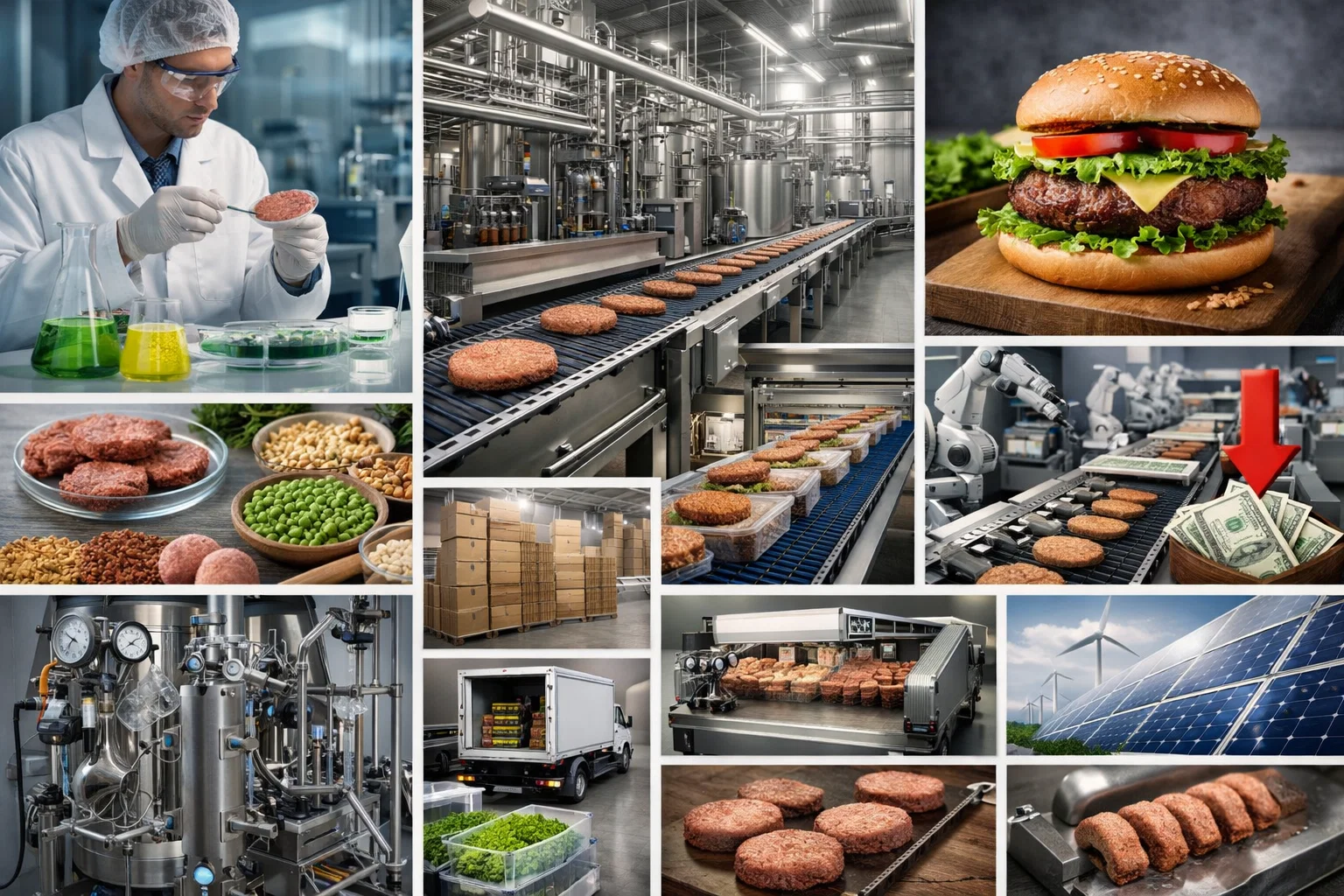
Companies are working hard to make plant-based proteins cheaper and more efficient. They’re focusing on several areas:
- Continuous processing technologies
- Modular plant designs
- Advanced cooling and die technologies
- Streamlined supply chain integration
Continuous Processing Innovations
New continuous processing methods are changing the game. They make production faster, waste less, and improve quality. Now, making lab-grown proteins is more precise and efficient than ever.
Supply Chain Transformation
Vertical integration is a big deal for alternative proteins. It lets companies control more of the production process. This means:
- Improved ingredient tracking
- Lower production costs
- Better quality control
- More sustainable protein options
Driving Price Parity
| Production Aspect | Cost Reduction Strategy | Projected Impact |
|---|---|---|
| Raw Materials | Upcycled ingredient sourcing | 15-20% cost reduction |
| Processing | Modular plant designs | 25-30% efficiency improvement |
| Distribution | Vertical integration | 10-15% logistics cost savings |
By 2026, these strategies will make artificial meat as affordable as traditional meat. This will make alternative proteins more appealing to both consumers and investors.
Clean Label, Nutrition & Functional Positioning
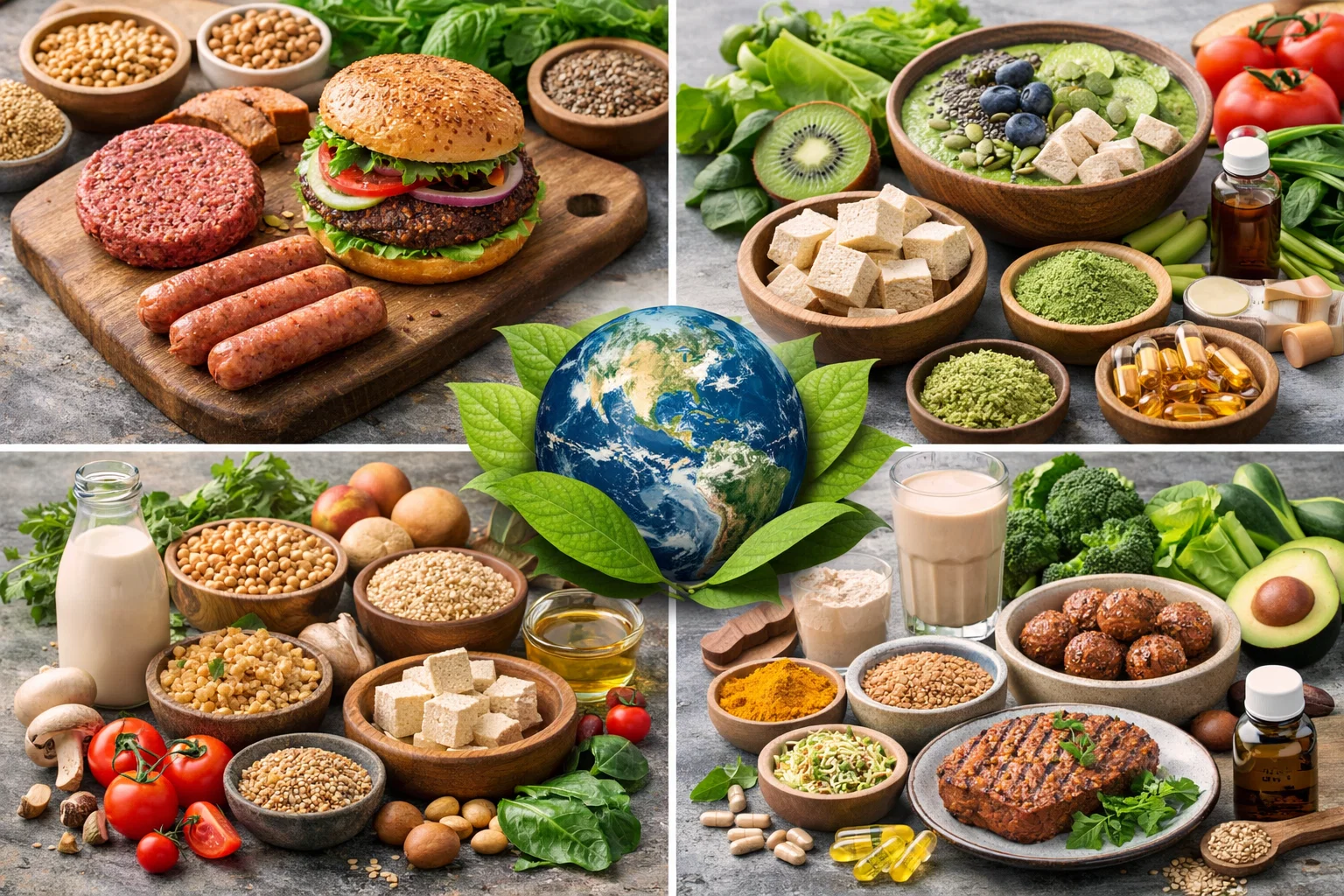
The world of sustainable food tech is changing fast. People want healthier, clearer food choices. Now, 25% of US adults look for less-processed meat substitutes. Vegan alternatives are answering this call by improving nutrition and ingredients.
Reducing Additives: Cleaner Ingredients
Plant-based meat makers are making their ingredients simpler. They’re doing this to attract health-focused buyers. Our studies show a big move towards:
- Shorter ingredient lists
- Natural preservatives
- Less processed proteins
Nutrition Improvements
Companies are making plant-based proteins better for you. They’re working on:
- Complete amino acid profiles
- More dietary fiber
- Adding important micronutrients
Functional Wellness Offerings
New products are adding functional ingredients like nootropics and adaptogens. These ingredients make plant-based proteins more than just food. They offer a full wellness package, appealing to those looking for a complete health experience.
Regulatory Landscape & Labelling in 2026
Understanding the food tech world in 2026 is key. The rules for eco-friendly meat substitutes are changing fast. This brings new challenges and chances for food makers.
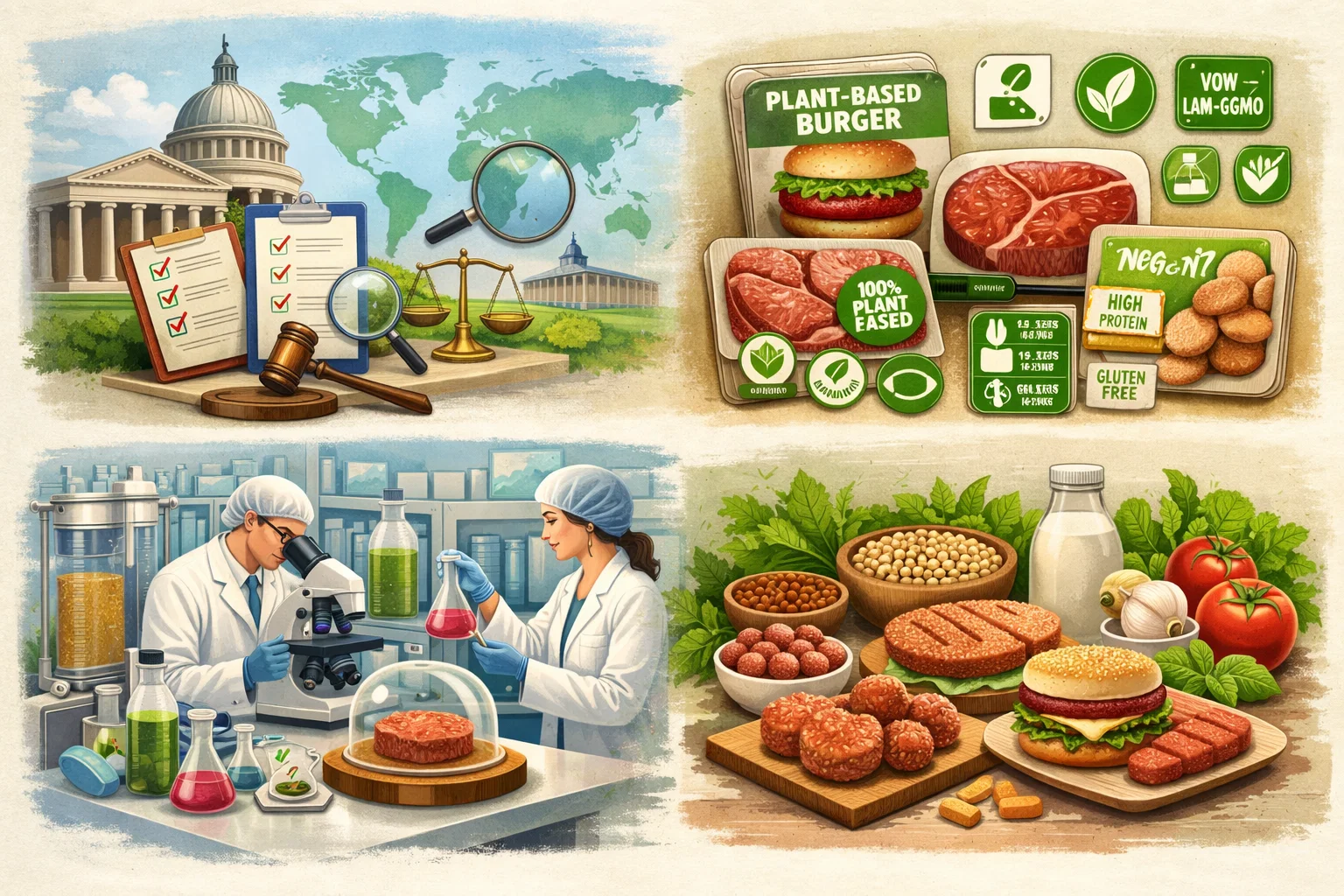
The rules for alternative proteins are getting more detailed. Governments are making new rules for cellular agriculture and plant-based foods.
Evolving Rules for Cultured Meat and Hybrid Products
Regulators are making special rules for new protein tech. Key points include:
- Specific classifications for hybrid meat products
- Safety protocols for cellular agriculture techniques
- Comprehensive testing requirements for new protein sources
Labelling Challenges: Transparency and Consumer Understanding
Brands struggle with labelling, meeting rules and being clear. The question is how to explain these new proteins without confusing people.
| Region | Regulatory Approach | Market Access Potential |
|---|---|---|
| United States | Flexible, Innovation-Friendly | High |
| European Union | Strict Ingredient Scrutiny | Medium |
| Asia-Pacific | Rapidly Evolving Regulations | High Potential |
Regional Differences in Regulatory Guidance
Regions have different views on cellular agriculture. The U.S. is open to new ideas, while the E.U. checks ingredients closely. The Asia-Pacific area quickly adapts to new food tech.
Companies need to understand these differences to sell their products worldwide.
Notable Product Types to Expect in 2026
The world of sustainable meat substitutes is changing fast. Lab-grown protein alternatives are changing how we see food. 2026 will bring new products that will change how we eat plant-based.
Our future meals will be diverse and tasty. We’ll see many products made with cultured meat technology. These products will go beyond what we know of protein sources.
Next-Gen Burgers and Whole-Cut Alternatives
The burger market is set for a big change. We’ll see plant-based options that look and taste like real beef:
- Hyper-realistic texture mimicking premium beef cuts
- Enhanced nutritional profiles with complete protein
- Improved fat simulation for authentic mouthfeel
Ethnic and Regional Protein Innovations
Global foods are getting a plant-based twist. We’ll see new sustainable meat substitutes inspired by different cultures:
- Asian-inspired protein crumbles
- Mediterranean charcuterie alternatives
- Street food-style plant-based proteins
Convenient Foodservice Formats
Plant-based eating will get even easier. We’ll have ready-to-cook options:
- Par-cooked patties for quick meal preparation
- Pre-seasoned protein crumbles
- Seafood analog fillets with gourmet flavoring
These new products show that lab-grown protein alternatives are more than a trend. They’re a big change in how we eat sustainably and deliciously.
Foodservice & Retail Adoption Strategies
The world of plant-based proteins is changing fast. Food tech is leading the way with new ideas for restaurants and stores. By 2026, we’ll see a big change in how these products are used in everyday life.
Menu Integration: Restaurant Transformation
Chefs are getting creative with vegan proteins. They’re finding new ways to make plant-based meats stand out. This includes:
- Texture-focused preparation methods
- Signature flavor profiles
- Culinary-driven presentation techniques
Supermarket Positioning Strategies
Grocery stores are changing how they display products. They’re focusing on plant-based options and making them affordable. This is to attract people who care about their health.
Delivery and Ghost Kitchen Innovations
Fast food and delivery services are adding more plant-based choices. Ghost kitchens are also playing a big role. They help test and grow new meatless products.
Our research shows a lot of potential in the market. Plant-based sales are growing fast in North America.
| Product Category | Sales Value (Canadian Market) |
|---|---|
| Plant-Based Dairy Products | Can$375.5 million |
| Ready Meals | Can$338.9 million |
| Processed Meat Alternatives | Can$233.8 million |
These strategies show how plant-based proteins are changing the food and retail world.
Sustainability Claims & Life-Cycle Considerations
Plant-based meat innovations are changing how we make food. As people care more about the planet, companies are looking closely at their environmental impact. They want to know how their products affect the Earth.
We’re looking into what makes food production sustainable. Mycoprotein and cellular agriculture are changing how we see environmental impact.
Assessing Environmental Impact
We’re checking important sustainability numbers:
- How much water is used compared to traditional meat
- Strategies to save land
- Comparing greenhouse gas emissions
Energy and Input Tradeoffs
3D-printed plant proteins have their own energy challenges. Our study found:
- How much energy is used in making them
- The inputs needed for farming
- The total carbon footprint
Proving Sustainability
Companies are finding new ways to show they care about the planet:
- Life Cycle Assessments (LCA)
- Third-party sustainability certifications
- Clear systems to track where products come from
Our study shows people want to know the truth about sustainability. This is pushing companies to innovate in the alternative protein field.
Consumer Acceptance & Marketing Playbook
The world of next-generation meat alternatives is changing fast. This brings both challenges and chances for brands to win over consumers. It’s key to understand how people think about plant-based proteins.
Our studies give us important insights into how people act and what they want. For 2026, we know that marketing must be smart. It needs to tackle doubts and show the real value of eco-friendly proteins.
Messaging That Works: Taste, Experience, and “Food-First” Positioning
People don’t just want a substitute; they want a great taste experience. Our plan is to:
- Highlight sensory-rich flavor profiles
- Show off restaurant-quality texture
- Make plant-based proteins seem like a high-end food choice
Overcoming Skepticism: Sampling, Transparency, and Clean Labels
To win over consumers, we need a detailed plan. Here’s what we suggest:
- Start big sampling programs
- Give clear, easy-to-read ingredient lists
- Teach people about the health benefits
Demographic Insights: Who’s Most Likely to Adopt in 2026
| Demographic Group | Adoption Likelihood | Key Motivators |
|---|---|---|
| Millennials (25-40) | High | Environmental sustainability |
| Gen Z (18-24) | Very High | Health consciousness |
| Health-Conscious Professionals | Medium-High | Nutritional quality |
Knowing these trends helps brands make marketing plans that speak to people. This way, they can encourage more people to try new plant-based proteins.
Culinary Uses & Recipe Inspiration for Home Cooks and Chefs
The world of plant-based food tech is changing how we cook. By 2026, we’ll learn new ways to make cultured protein into tasty meals at home.
Chef-Tested Techniques for Plant-Based Cuts
Learning to cook plant-based proteins is key. Here are some important techniques:
- Searing at high temperatures to develop a crispy exterior
- Using marinades to enhance moisture and flavor absorption
- Experimenting with different cooking methods like grilling and braising
Flavor Amplification Strategies
Boost your plant-based proteins with smart pairings and sauces:
| Protein Type | Recommended Sauce | Flavor Profile |
|---|---|---|
| Mushroom-Based Cuts | Chimichurri | Herbal and Bright |
| Legume Protein | Smoked Paprika Aioli | Rich and Smoky |
| Fermented Protein | Miso Glaze | Umami and Complex |
DIY Pro Tips for Home Cooks
Turn your kitchen into a plant-based lab with these tips:
- Invest in a cast-iron skillet for optimal searing
- Let proteins rest after cooking to retain moisture
- Use indirect heat when grilling delicate plant proteins
With these tips, both home cooks and chefs can make amazing plant-based dishes. They’ll be as good as any traditional protein dish.
Business & Investment Landscape
The plant-based protein world is getting more exciting in 2026. Investors see big chances in new protein tech. The market is set to grow a lot, from $8.22 billion in 2025 to $23.35 billion by 2034.
Startups making lab-grown meat are getting a lot of money from Silicon Valley and around the world. Precision fermentation and cellular agriculture are very appealing to investors. They want companies that can make protein fast, with less harm to the environment and lower costs.
We think big money will go to companies that work together, use new tech, and have strong ideas. Partnerships between tech companies, research places, and big food makers will lead to the best new ideas in plant-based proteins.
The investment scene looks very promising. Entrepreneurs who show they have new tech, make things in a green way, and offer great taste will get the most money. They will help change how we make protein in the U.S. and worldwide.