There are many kitchen designs around the world that are known for their high quality and for being compatible with many people. Among the best kitchen designs that are highly required are the German kitchen designs. They are known for their awesome styles that satisfy all the needs and requirements of customers. The designs are functional, stylish and in addition to that they are contemporary. The German kitchen offers many designs that take into consideration the different sizes of kitchens. There are designs which can be used in large kitchens because they need a wide place for being applied, while there are other designs that do not consume a large space which makes them appropriate to the small kitchens.
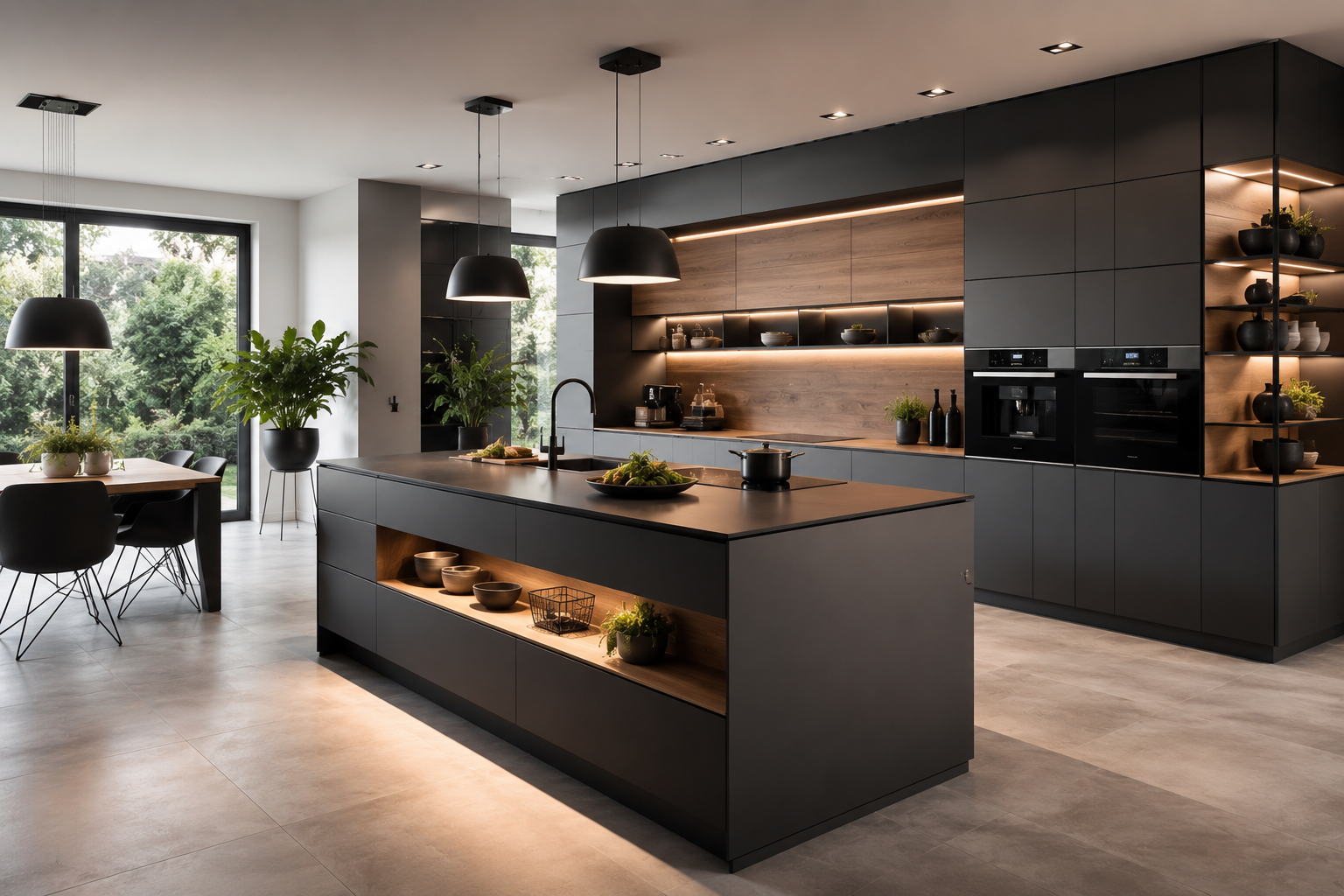
Key Characteristics of German Kitchen Designs
Clean Lines and Minimalist Aesthetics
One of the defining features of German kitchen design is its minimalist appearance. Cabinets typically feature smooth surfaces, simple geometric shapes, and a clutter-free look. This streamlined approach creates a calm and organized environment that feels modern and timeless.
Minimalism in German kitchens is not about removing functionality. Instead, it focuses on eliminating unnecessary visual distractions while maximizing usability.
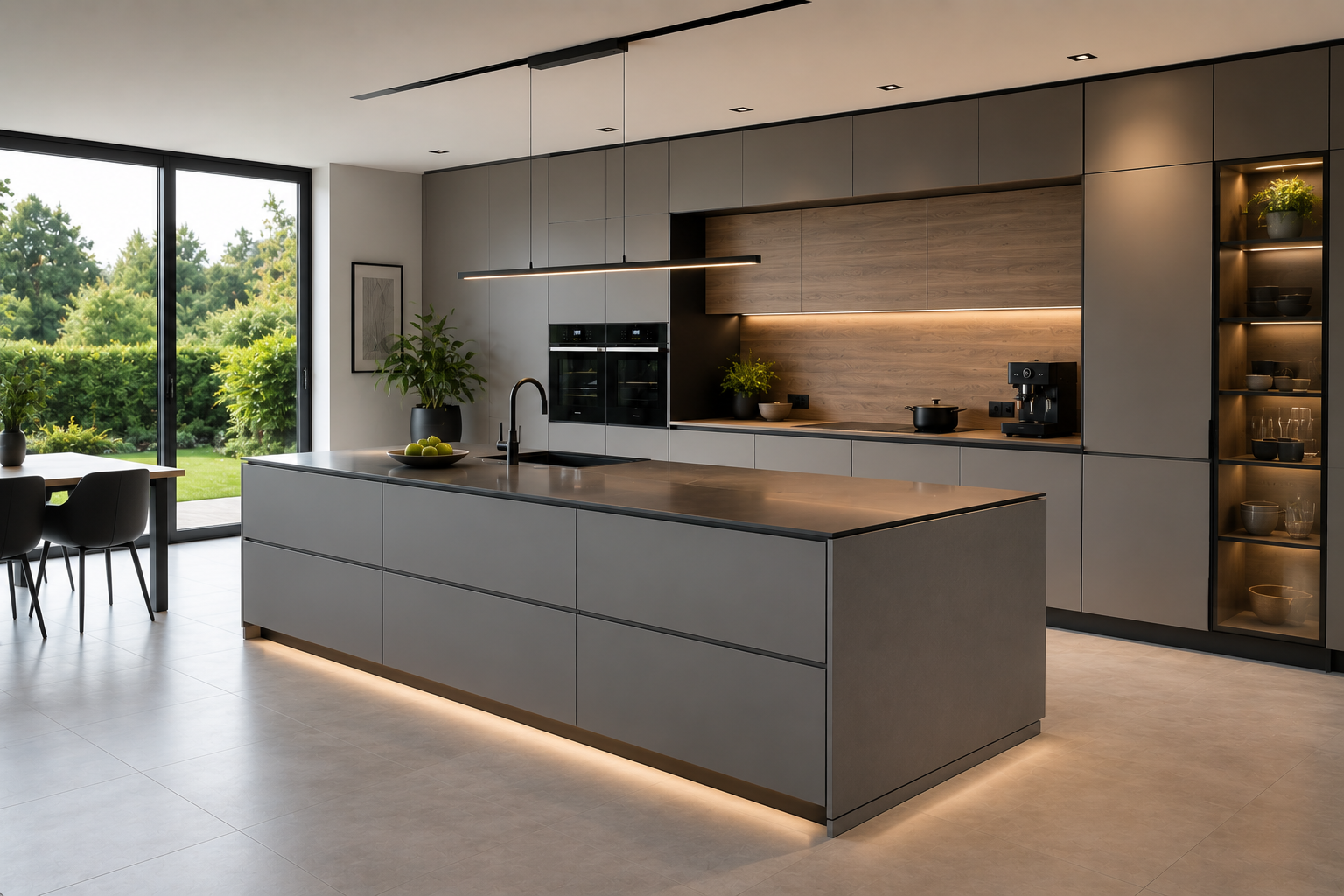
Precision Engineering and Quality Craftsmanship
German manufacturers are renowned for their attention to detail. Every component, from cabinet hinges to drawer systems, is designed with precision. Soft-close mechanisms, durable hardware, and high-quality materials ensure that the kitchen remains functional for many years.
Smart Storage and Space Optimization
Storage is a major focus in German kitchen design. Pull-out pantry systems, corner storage solutions, deep drawers, and hidden compartments help homeowners make the most of every inch of available space.
This intelligent organization keeps countertops clear and makes everyday tasks more efficient.
High-End Materials and Finishes
German kitchens often incorporate premium materials such as quartz, natural stone, glass, stainless steel, and engineered wood. These materials provide durability while maintaining a luxurious appearance.
The combination of quality materials and expert craftsmanship contributes to the long lifespan of German kitchens.
Most Popular German Kitchen Design Styles
Modern Handleless Kitchens
Handleless kitchens are among the most recognizable German kitchen styles. Instead of traditional cabinet handles, these kitchens use integrated grip rails or push-to-open systems.
The result is a seamless and sophisticated appearance that enhances the minimalist aesthetic while improving functionality.
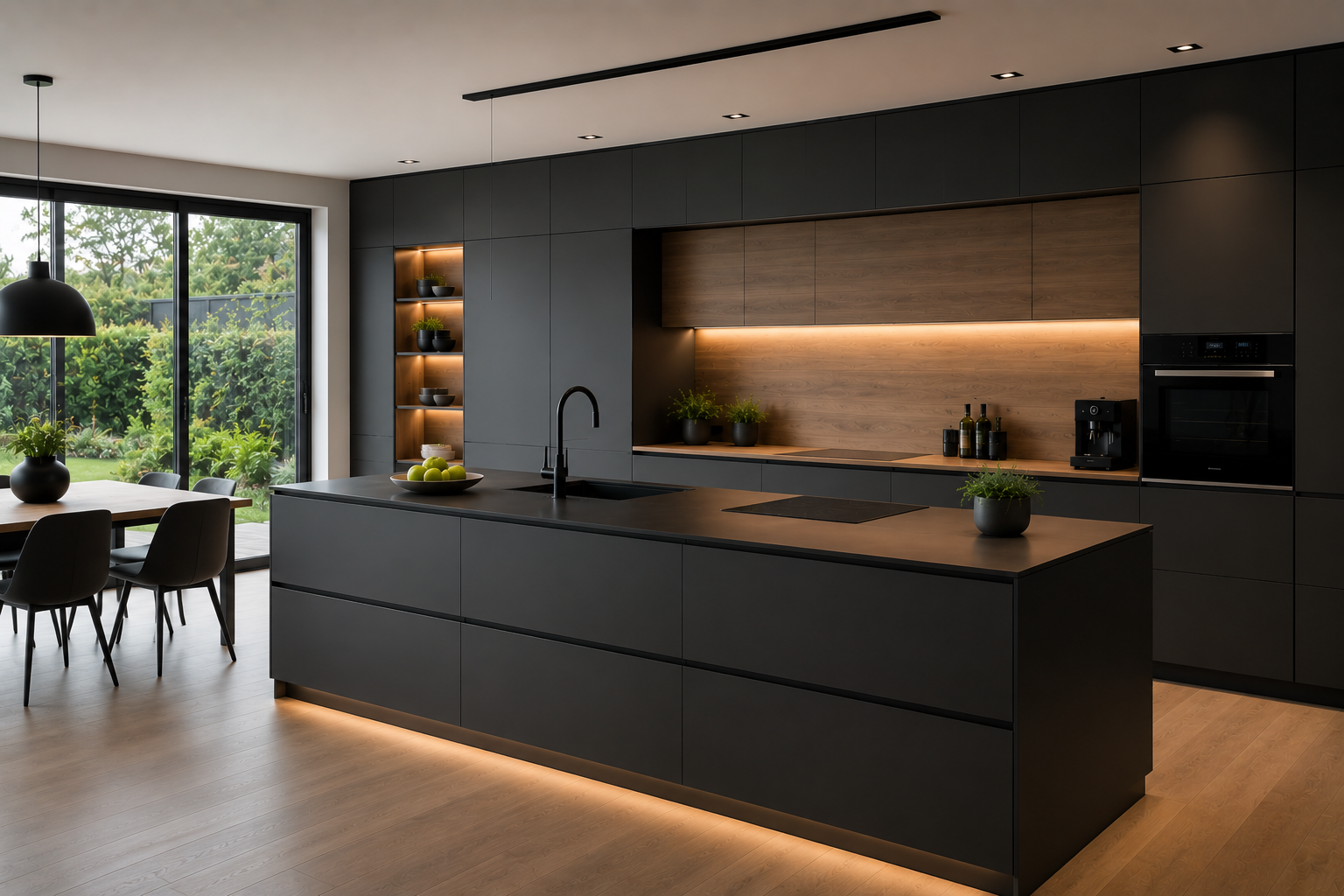
Minimalist German Kitchens
Minimalist kitchens focus on simplicity, neutral colors, and uncluttered surfaces. White, gray, and beige tones are common choices that create a bright and spacious atmosphere.
This style works particularly well in modern homes where clean design and efficiency are priorities.
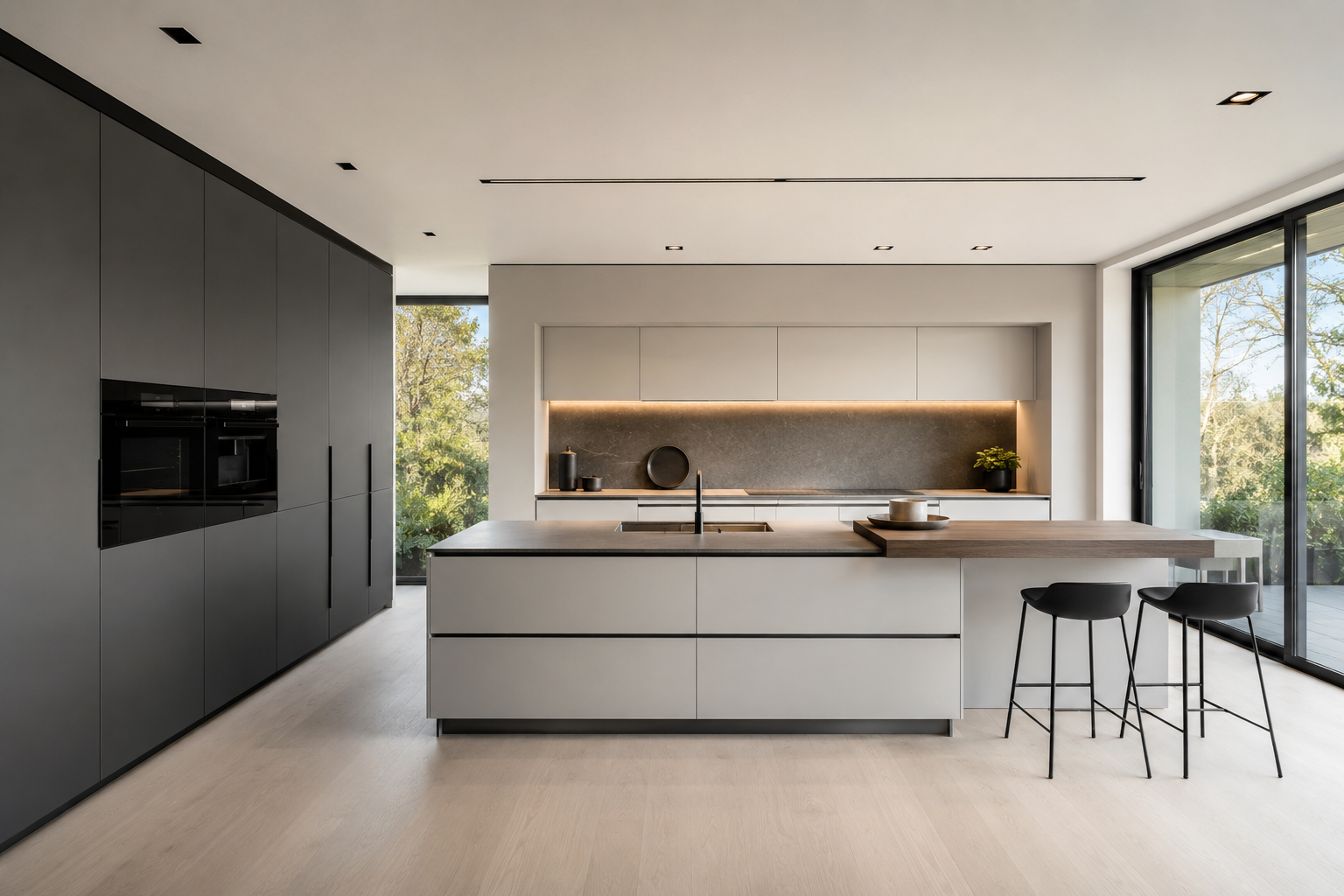
Open-Concept Kitchen Layouts
Open-concept kitchens continue to grow in popularity because they connect cooking, dining, and living areas into one cohesive space.
German designers excel at creating open layouts that encourage social interaction while maintaining excellent workflow and organization.
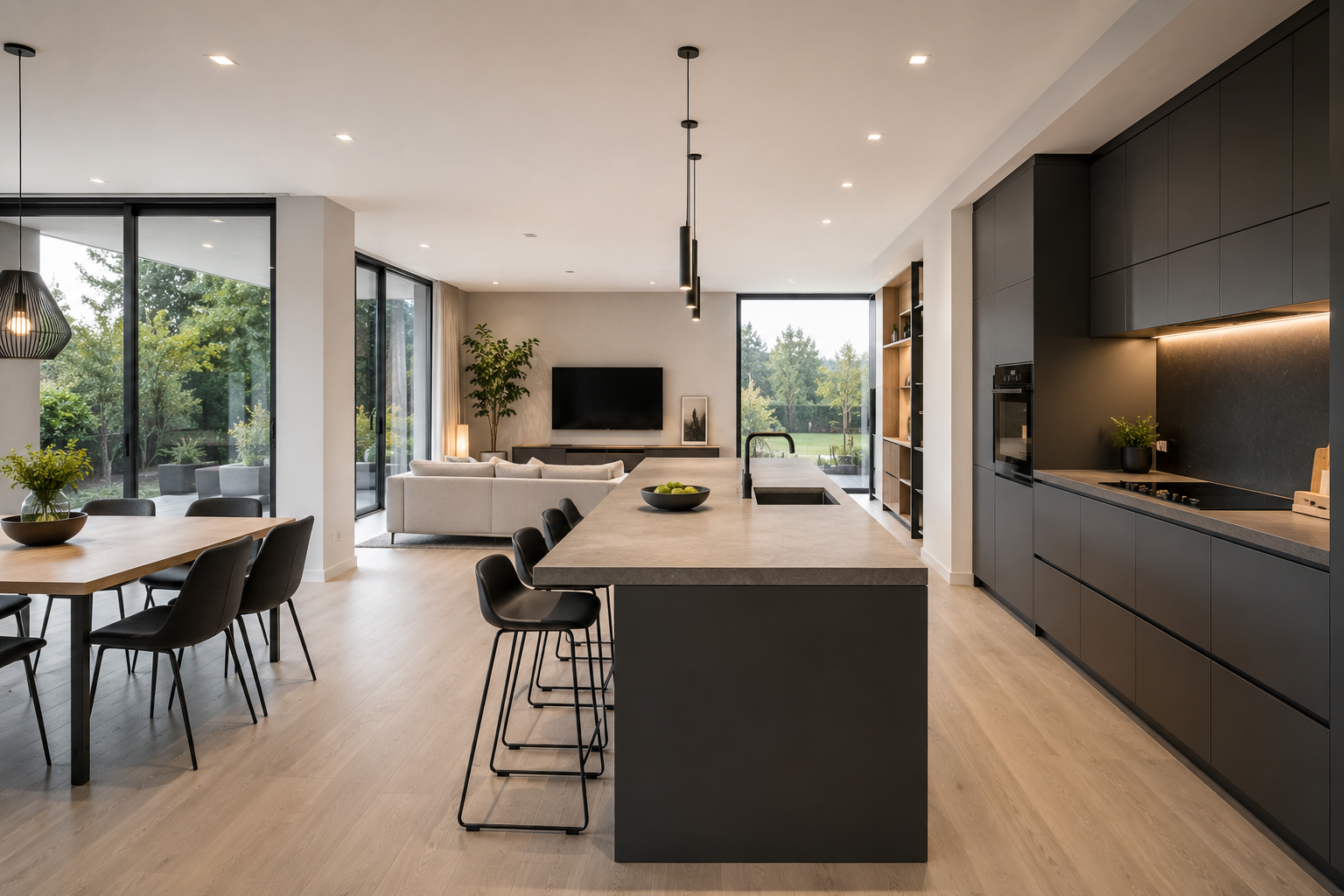
Luxury High-Gloss Kitchen Designs
High-gloss finishes add a touch of sophistication and reflect light throughout the room. These kitchens often feature glossy cabinetry paired with stone countertops and integrated appliances.
The reflective surfaces make kitchens appear larger and more luxurious.
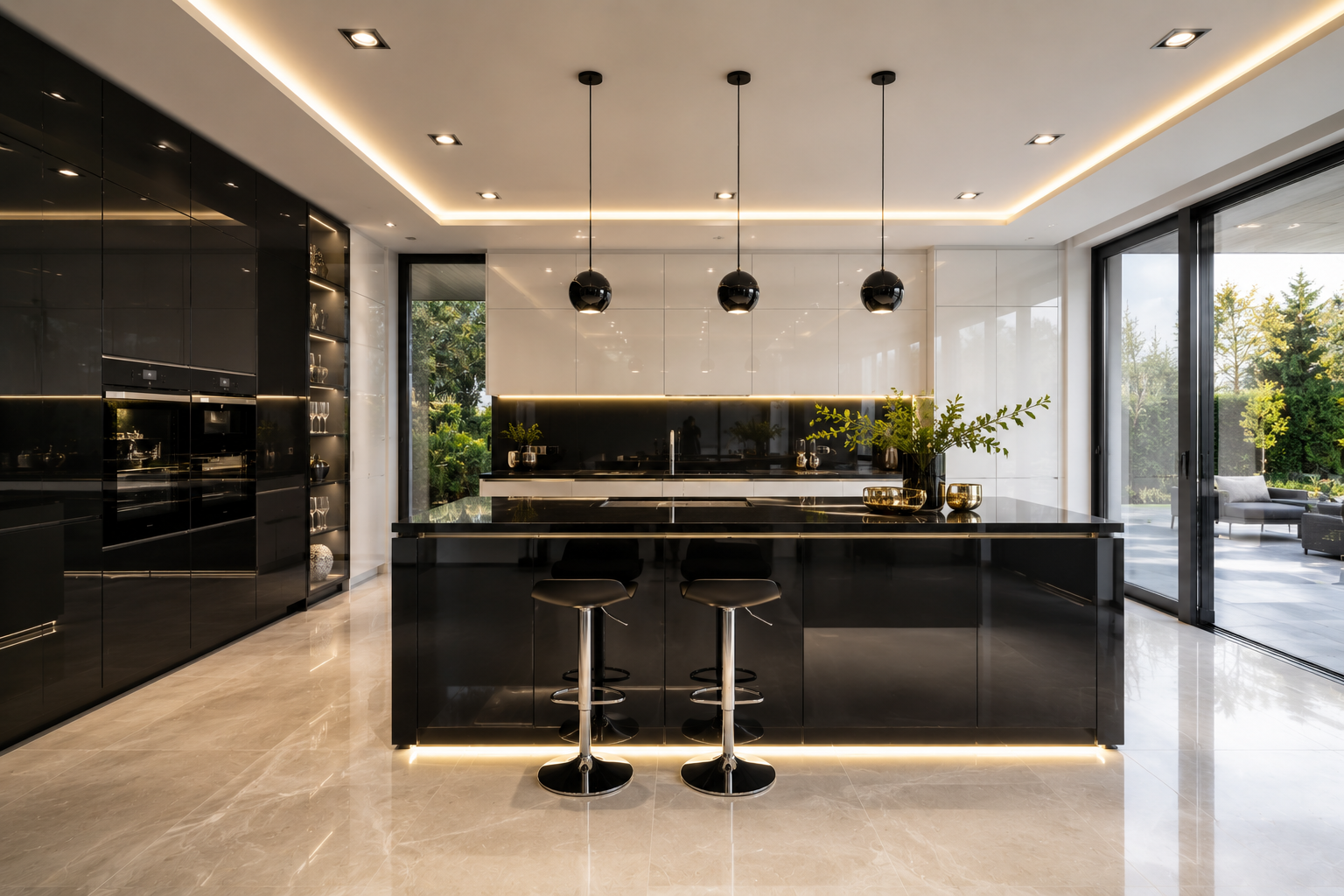
Matte Finish and Contemporary Kitchens
While high-gloss designs remain popular, matte finishes have become a major trend in recent years. Matte cabinets offer a softer, more refined look while resisting fingerprints and smudges better than glossy surfaces.
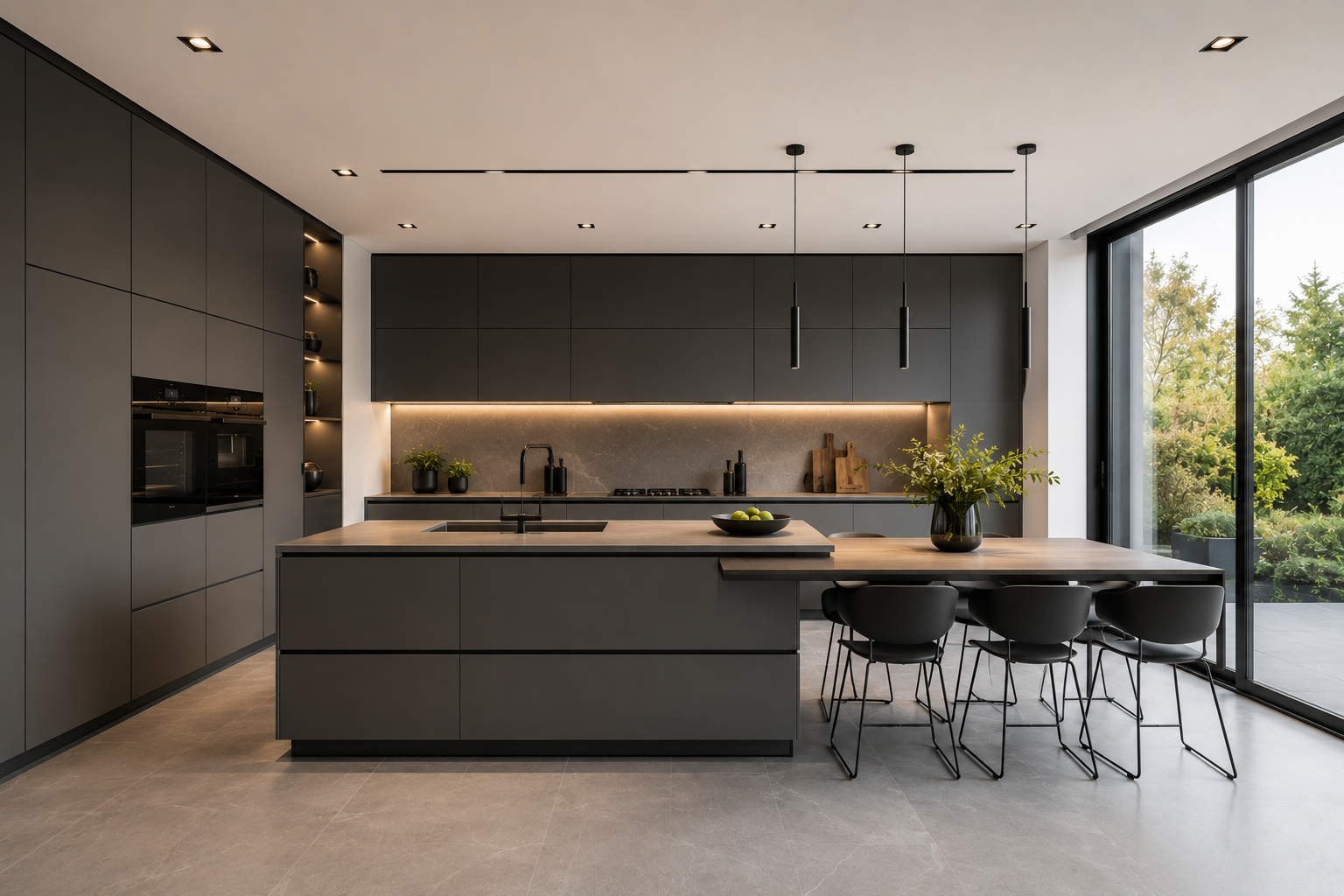
Stunning German Kitchen Color Schemes
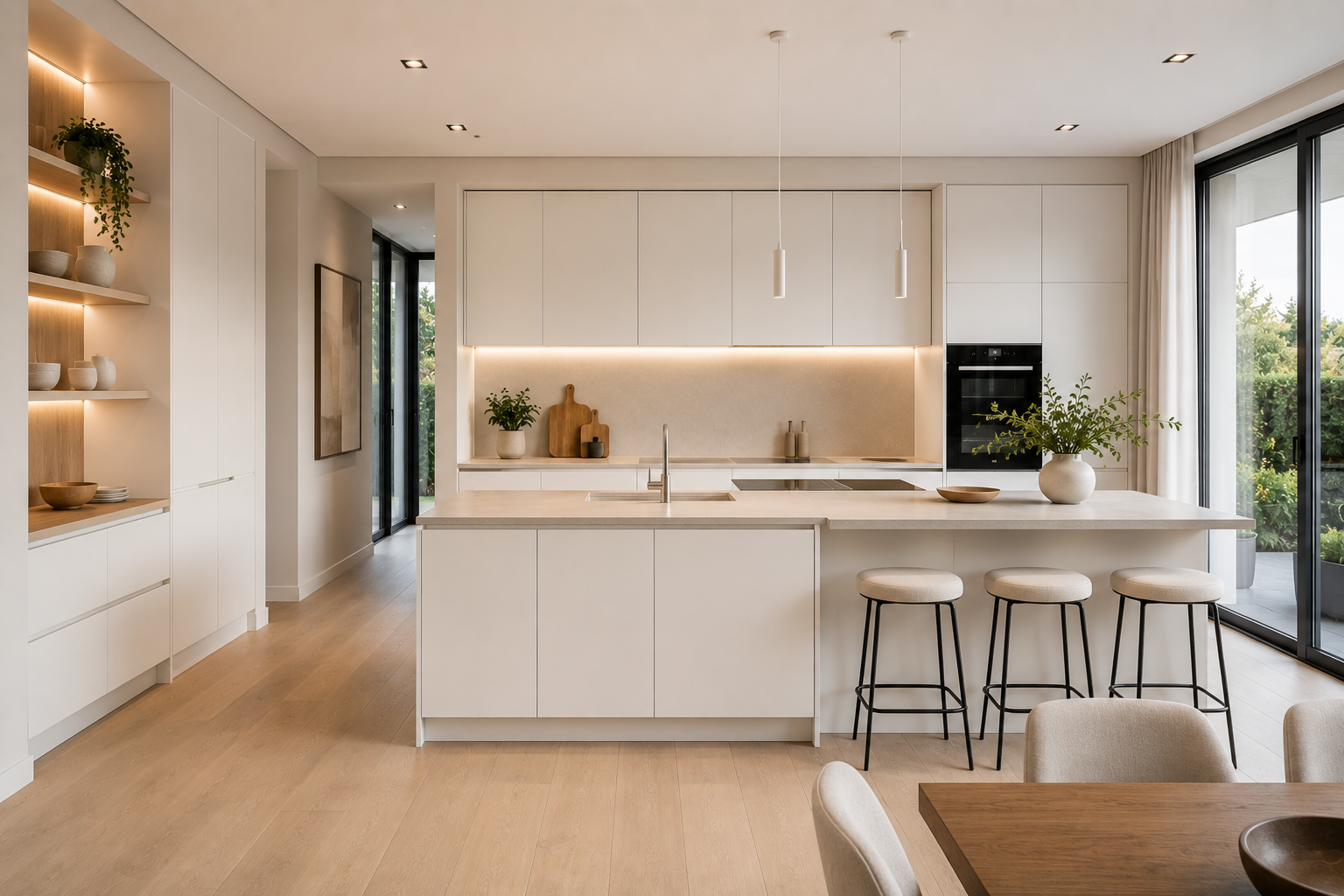
Timeless White and Neutral Kitchens
White kitchens remain a favorite because they create a bright, airy atmosphere. Neutral shades such as gray, cream, and taupe provide a sophisticated backdrop that works with various interior styles.
These colors also make smaller kitchens appear larger and more inviting.
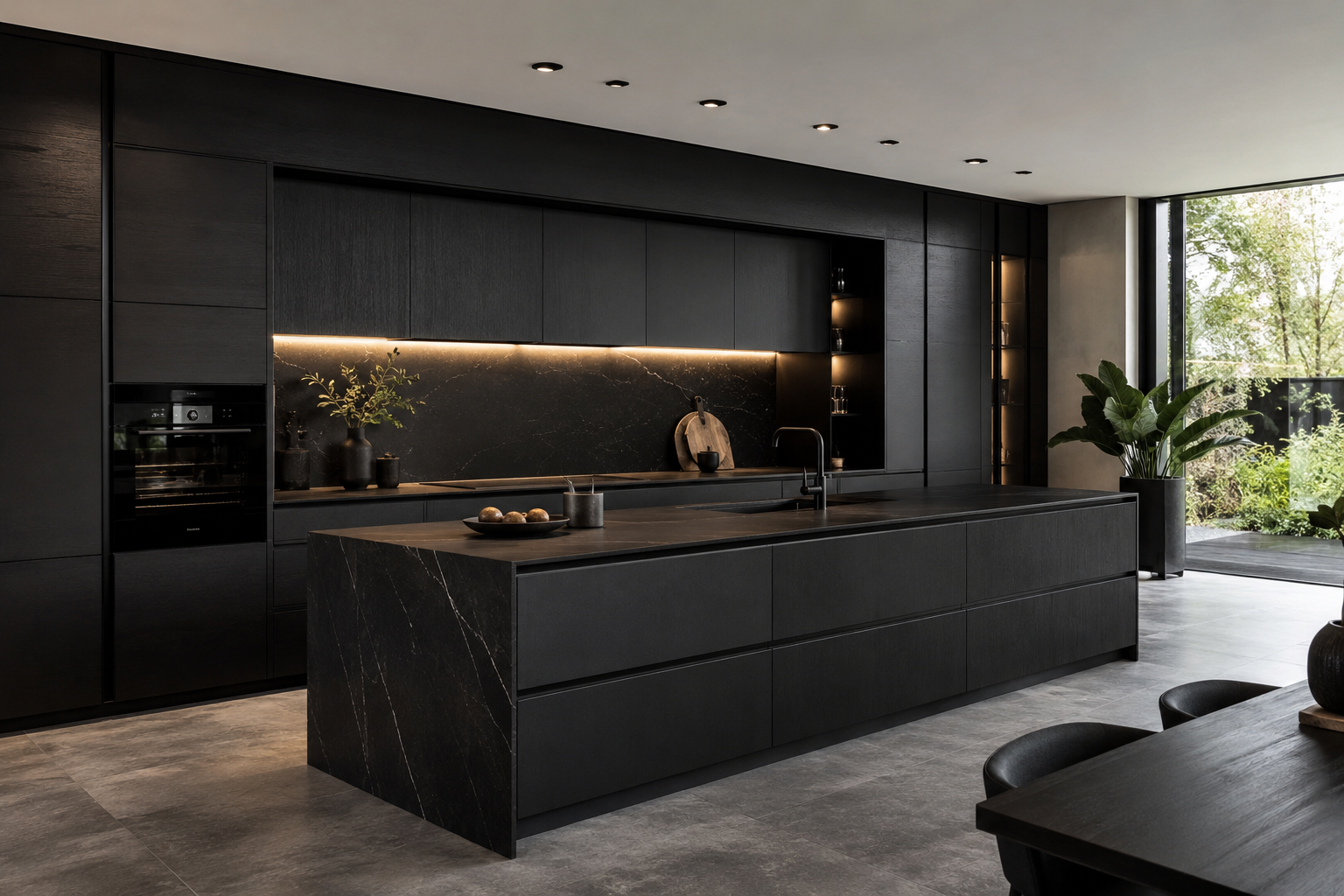
Elegant Black and Charcoal Designs
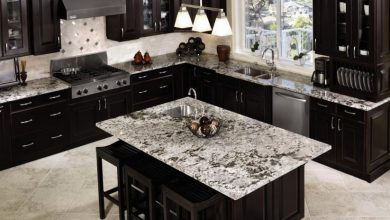
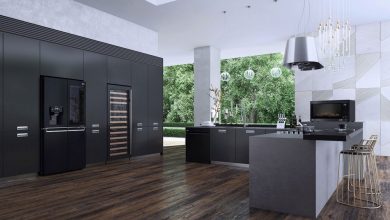
Dark kitchens have become increasingly popular among homeowners seeking a bold and dramatic look. Black cabinetry paired with metallic accents creates a striking visual impact while maintaining the clean lines characteristic of German design.
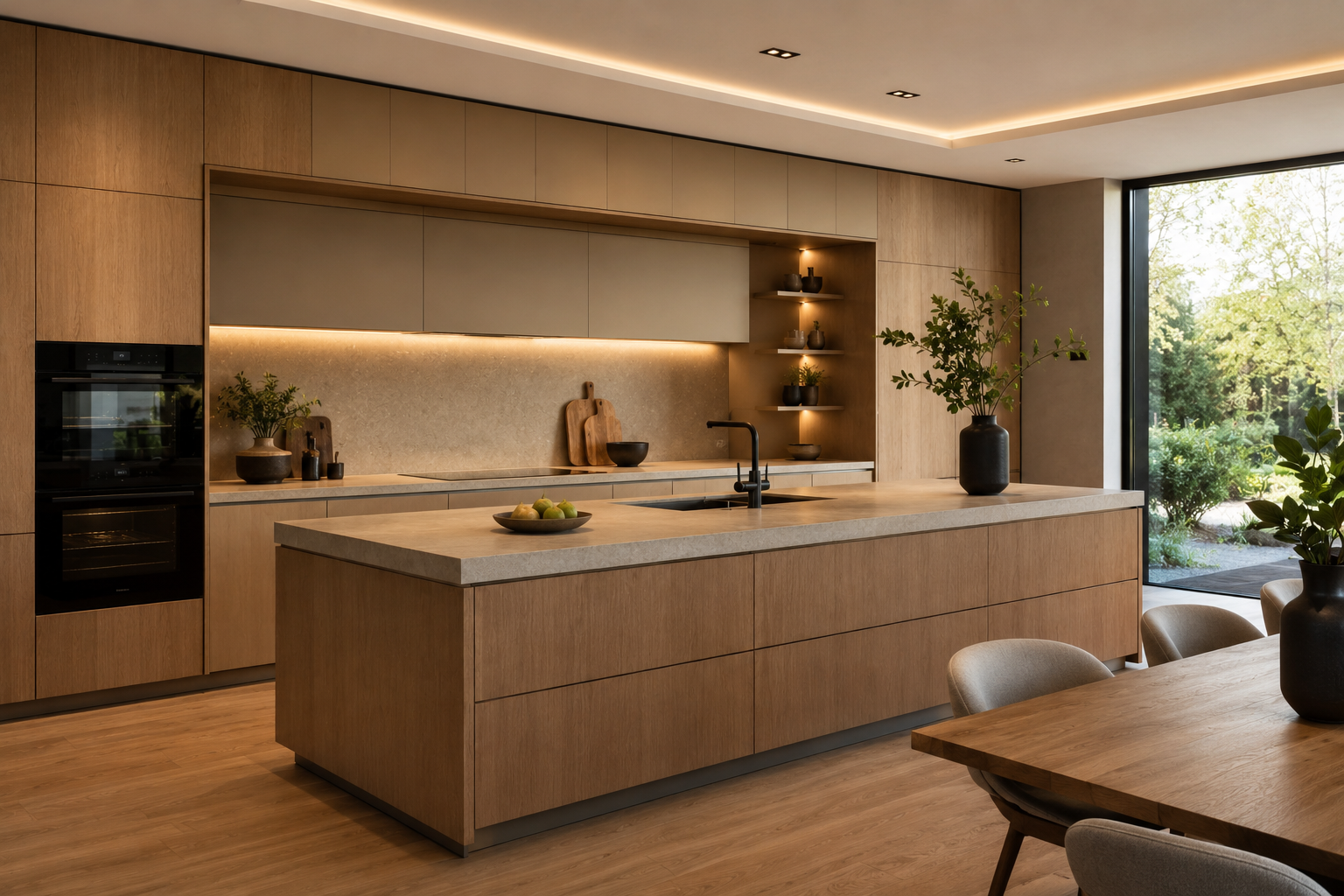
Warm Wood-Tone Combinations
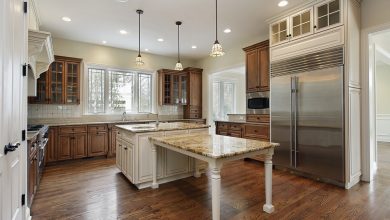
Wood elements bring warmth and natural beauty into the kitchen. Oak, walnut, and other wood veneers soften the minimalist appearance and create a welcoming environment.
Combining wood with modern materials like quartz and glass results in a balanced and timeless design.
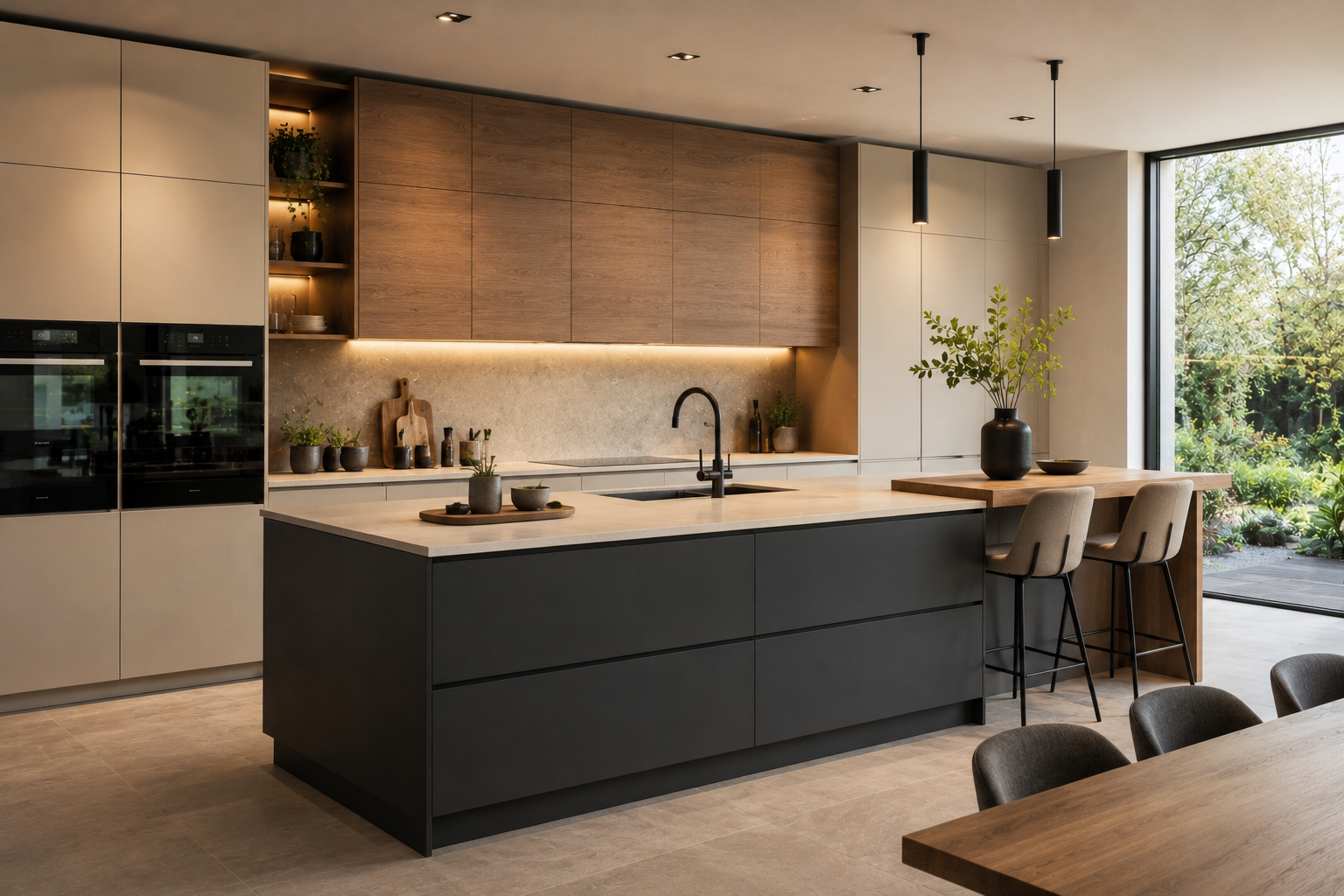
Two-Tone German Kitchen Trends
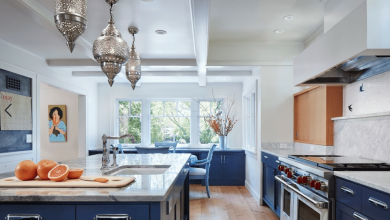
Two-tone kitchens use contrasting colors to add depth and visual interest. Popular combinations include white and wood, gray and black, or beige and charcoal.
This approach allows homeowners to personalize their kitchen while maintaining a modern aesthetic.
Innovative Features That Define German Kitchens
Integrated Appliances for a Seamless Look
German kitchens often feature built-in refrigerators, ovens, dishwashers, and microwaves that blend seamlessly with the cabinetry.
This integration creates a clean appearance and contributes to the overall minimalist design.
Hidden Storage and Pull-Out Solutions
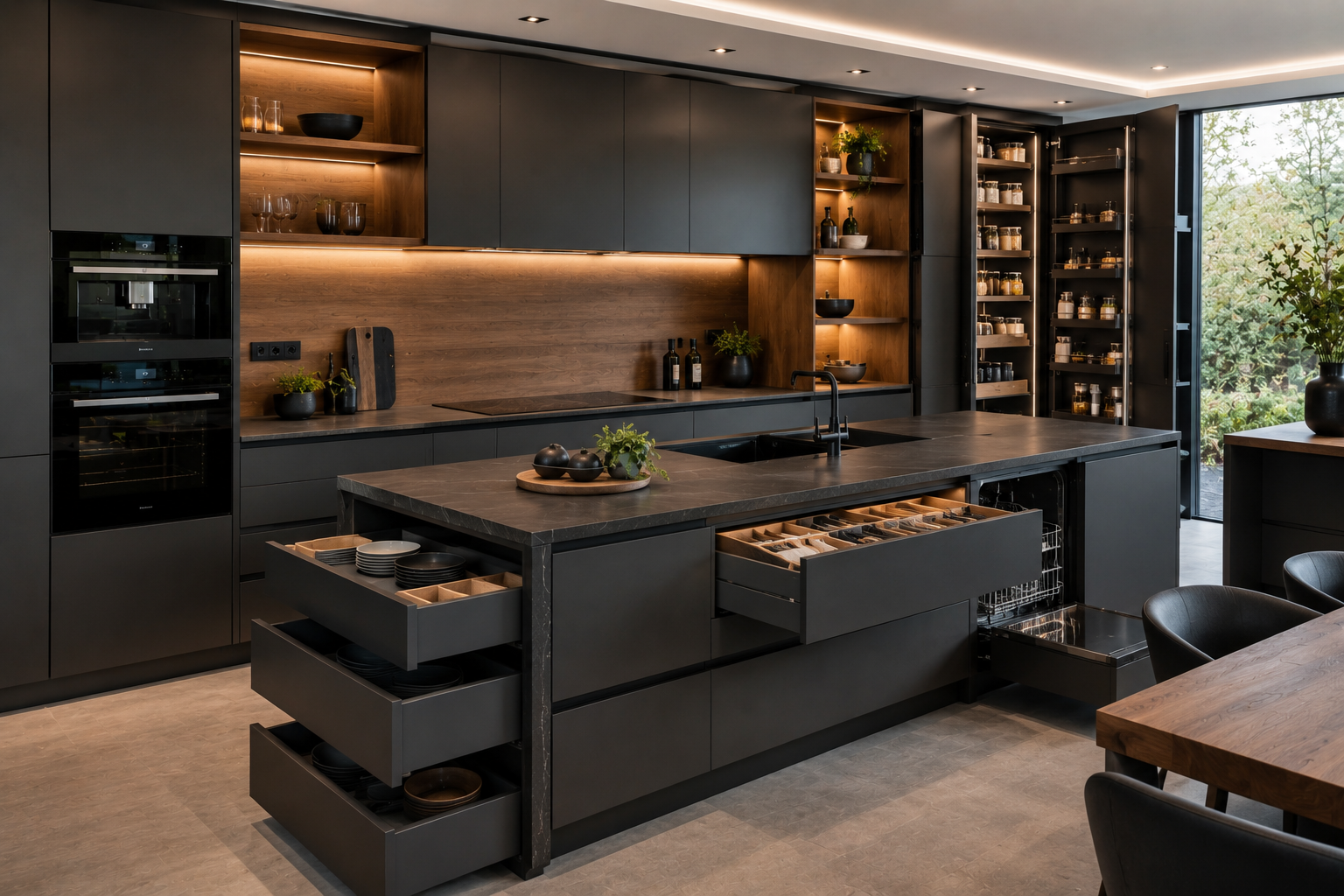
Innovative storage systems are a hallmark of German kitchen design. Pull-out pantries, hidden spice racks, and custom drawer organizers ensure that everything has a designated place.
These solutions improve accessibility while reducing clutter.
Smart Kitchen Technology and Automation
Technology plays an increasingly important role in modern kitchens. Smart lighting, voice-controlled appliances, motion-sensor drawers, and connected cooking systems enhance convenience and efficiency.
Homeowners can monitor appliances remotely, automate tasks, and optimize energy consumption.
Ergonomic Workspaces and Efficient Layouts
German kitchens are designed around ergonomic principles. Counter heights, storage placement, and work zones are carefully planned to reduce physical strain and improve workflow.
The result is a kitchen that feels comfortable and efficient during daily use.
German Kitchen Cabinet Design Ideas
Floor-to-Ceiling Cabinetry
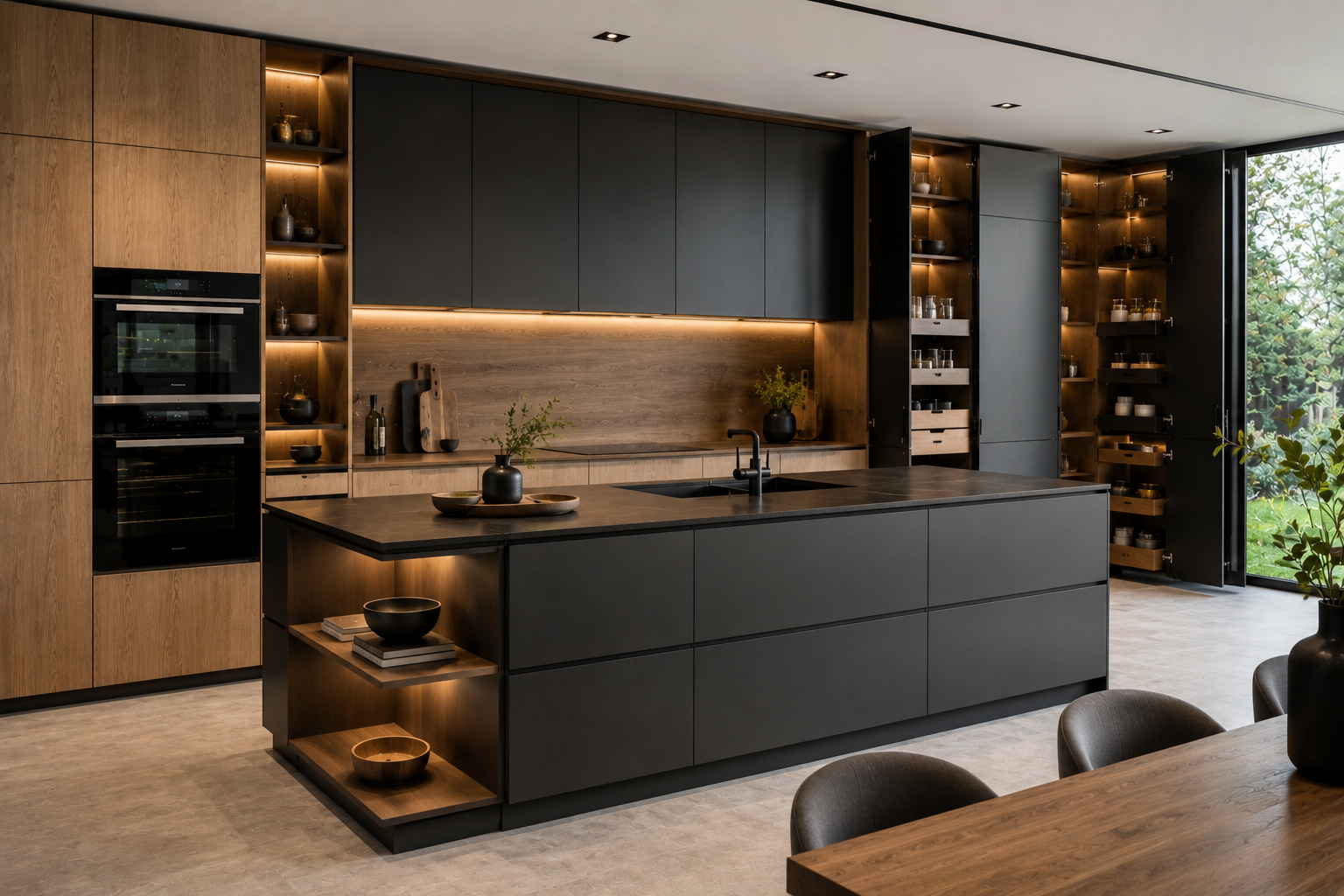
Tall cabinets maximize storage capacity while maintaining a clean appearance. Floor-to-ceiling designs make use of vertical space and provide ample room for kitchen essentials.
Handleless Cabinet Systems
Handleless cabinets contribute to the sleek, modern appearance of German kitchens. Their smooth surfaces create visual continuity and simplify cleaning.
Glass-Front and Display Cabinets
Glass-front cabinets add elegance while providing an opportunity to showcase decorative items, glassware, or fine dishware.
These cabinets can create focal points within an otherwise minimalist design.
Custom Storage Solutions for Modern Living
Customized storage systems help homeowners accommodate their specific needs, whether they require extra pantry space, appliance storage, or specialized organizational features.
Luxury Materials Used in German Kitchens

Natural Stone and Quartz Countertops
Quartz and natural stone countertops are prized for their durability and visual appeal. These materials resist scratches, heat, and stains while offering a luxurious finish.
Premium Wood Veneers and Finishes
Wood veneers provide the beauty of natural wood while maintaining consistency and durability. They are frequently used to add warmth and texture to modern kitchens.
Stainless Steel and Metal Accents
Metal finishes contribute to the contemporary character of German kitchens. Stainless steel appliances, fixtures, and accents enhance both aesthetics and functionality.
Sustainable and Eco-Friendly Materials
Many modern German kitchens incorporate environmentally responsible materials and manufacturing processes. Sustainable wood, recycled materials, and energy-efficient appliances support eco-conscious living.
Small German Kitchen Designs That Maximize Space
Smart Layouts for Apartments
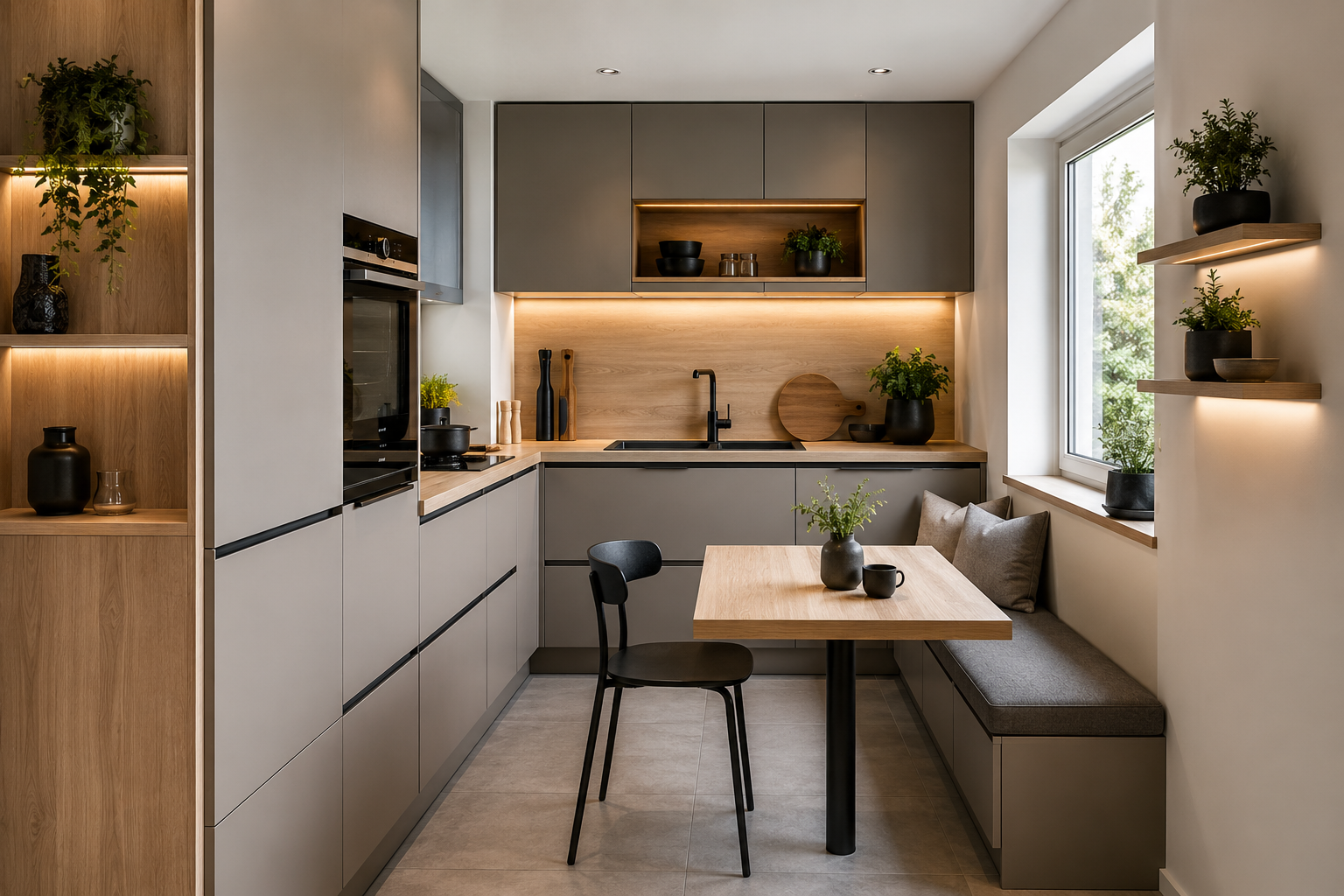
German design principles are especially effective in small kitchens. Compact layouts prioritize efficiency without sacrificing style.
Vertical Storage Solutions
Using wall space for cabinets and shelving increases storage capacity while preserving valuable floor space.
Compact Appliances and Space-Saving Features
Slim appliances, folding work surfaces, and integrated storage systems help homeowners maximize functionality in limited spaces.
How to Incorporate German Kitchen Design into Your Home
Choosing the Right Layout and Style
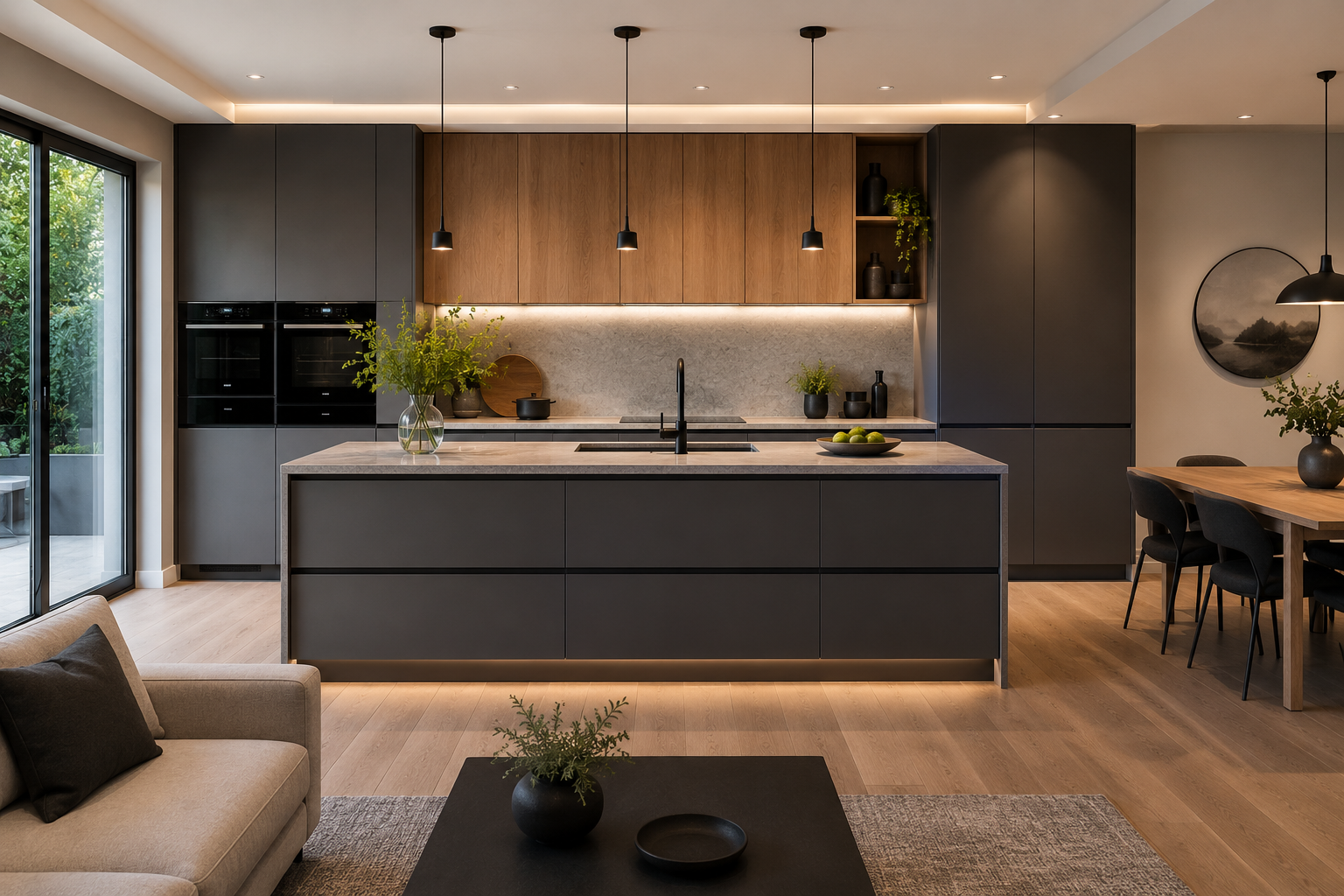
Begin by assessing your available space, lifestyle needs, and design preferences. Select a layout that supports efficient movement and daily activities.
Balancing Functionality with Visual Appeal
A successful German kitchen combines practical features with attractive design elements. Focus on solutions that enhance both usability and aesthetics.
Budget-Friendly Ways to Achieve the Look
You don’t need a luxury budget to embrace German design principles. Upgrading cabinet fronts, adding smart storage solutions, and choosing minimalist finishes can significantly improve your kitchen’s appearance.
Common Mistakes to Avoid When Designing a German Kitchen
Prioritizing Style Over Function
While appearance is important, functionality should remain the primary consideration. A beautiful kitchen that lacks practical storage or workflow efficiency may become frustrating to use.
Ignoring Workflow and Storage Needs
Proper planning ensures that cooking, cleaning, and storage zones work together seamlessly.
Choosing Trendy Materials Without Considering Durability
Always prioritize materials that offer long-term performance and easy maintenance.
Final Thoughts: Creating the Ultimate German-Inspired Kitchen
German kitchen designs continue to set the standard for modern interiors because they successfully blend innovation, quality, and style. Whether you prefer a minimalist white kitchen, a dramatic matte-black design, or a warm wood-inspired space, German design principles can help you create a kitchen that is both stunning and practical.
By focusing on smart storage, premium materials, ergonomic layouts, and timeless aesthetics, homeowners can enjoy a kitchen that enhances daily life while increasing the value and appeal of their home for years to come.